

The First Week: Withdrawal Symptoms and Adjustments
The journey of quitting sugar can be challenging, particularly during the first week when the body begins to adjust to the lack of glucose. Many individuals encounter a range of withdrawal symptoms that can be quite uncomfortable. Cravings for sugary foods are often among the most prominent of these symptoms, which are rooted in the body’s physiological dependency on sugar. When sugar intake is suddenly reduced, the brain may signal distress due to the absence of glucose, leading to heightened cravings.
Thank you for reading this post, don't forget to subscribe!Alongside these cravings, irritability may become prevalent. The dependency on sugar can influence mood regulation, and as sugar levels drop, individuals may experience mood swings. This is largely due to fluctuations in neurotransmitters such as serotonin and dopamine, which are affected by sugar consumption. Furthermore, fatigue is another common symptom, as the body begins to adapt to utilizing alternative energy sources. The initial lack of quick energy from sugar can leave individuals feeling sluggish and mentally drained.
To effectively manage these withdrawal symptoms during the adjustment period, it is essential to implement strategic practices. Staying hydrated is crucial; drinking sufficient water can help alleviate cravings and minimize fatigue. Additionally, incorporating nutrient-dense foods such as fruits, vegetables, nuts, and whole grains can provide sustainable energy, helping to stabilize blood sugar levels. Regular physical activity is also beneficial, as it can promote the release of endorphins, naturally improving mood and reducing irritability. Mindfulness techniques, including meditation and deep breathing, can further support emotional balance during this transitional phase.
Physical Changes: Energy Levels and Weight Loss
Eliminating sugar from one’s diet for a span of 30 days brings about various profound physical changes, particularly relating to energy levels and weight management. In the initial week of a sugar-free regimen, many individuals report a notable increase in their energy levels as the body begins to adapt to the lack of refined sugars. Sugar, often viewed as a quick energy source, can lead to energy fluctuations when consumed regularly. By cutting out sugar, one may experience more stable energy throughout the day, free from the peaks and troughs associated with sugar crashes.
In addition to increased energy, many experience enhanced focus and cognitive function. Without the influence of sugar on blood sugar levels, which can detract from concentration, individuals might find that their mental clarity improves as they shift towards healthier alternatives. This improvement is due, in part, to better regulation of insulin and blood glucose levels, which are critical in sustaining energy and brain function.
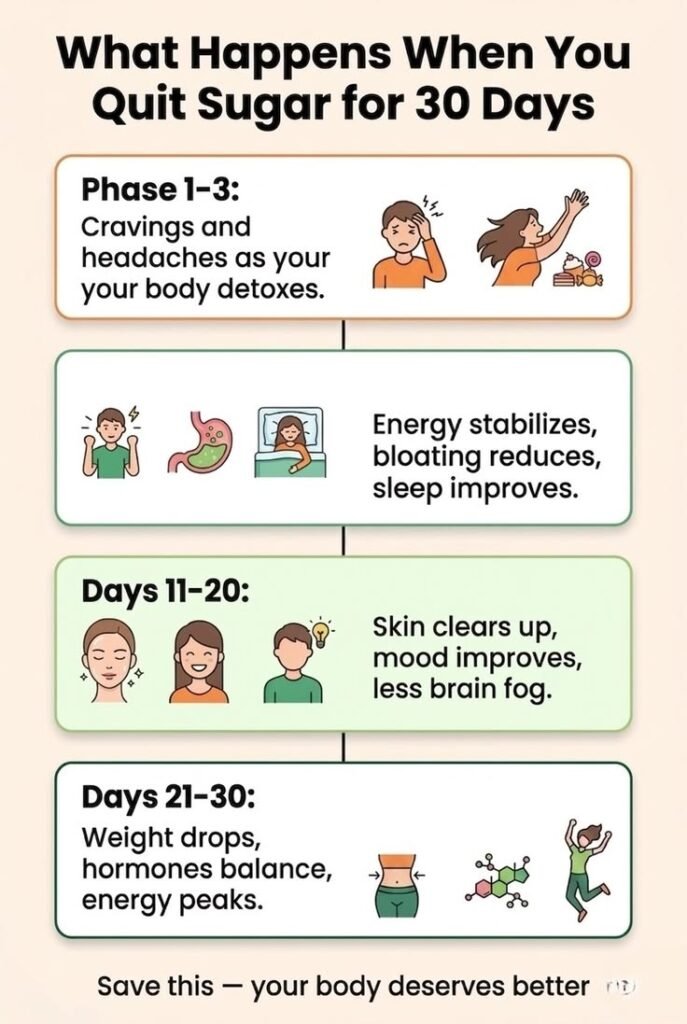
From a weight loss perspective, a sugar-free diet plays a significant role in shedding pounds. As the metabolism adjusts to the absence of added sugars, it can become more efficient at utilizing stored fat for energy. Many people notice a decrease in weight during the initial weeks due to the reduction of excess calories that sugar-laden foods contribute. It is important to note that while eliminating refined sugar, incorporating natural sugars found in fruits can still be beneficial. These natural sugars, accompanied by fiber and essential nutrients, provide a wholesome alternative that supports overall health without the detrimental effects of processed sugars. Ultimately, adopting a sugar-free approach can positively influence one’s physical state, leading to sustained energy and effective weight management.

Mental Clarity and Mood Improvement
Abstaining from sugar can yield significant improvements in mental clarity and mood stability, as numerous studies have suggested a direct link between sugar consumption and brain health. High sugar intake is often correlated with cognitive decline and mood disorders, making the reduction or elimination of sugar from the diet a beneficial choice for mental well-being.
When sugar is consumed, it triggers a spike in insulin, leading to fluctuations in blood sugar levels. These fluctuations can adversely affect mood and cognitive function, contributing to feelings of anxiety and irritability. In contrast, when an individual quits sugar, the body can stabilize its blood sugar levels, which leads to more consistent energy levels and improved focus. Research has indicated that individuals who reduce their sugar intake often report heightened mental clarity and a more stable emotional state.
Moreover, the psychological effects of sugar withdrawal cannot be overlooked. Many individuals embarking on a 30-day sugar-free journey experience withdrawal symptoms, which may include irritability, mood swings, and fatigue. However, after the initial phase, individuals often report a remarkable improvement in their overall mood. Testimonials from those who have successfully quit sugar frequently highlight a significant reduction in symptoms related to anxiety and depression, attributing their improved mental health to the elimination of sugar from their diet.

In summary, quitting sugar not only enhances physical health but significantly impacts mental clarity and emotional stability. As the body undergoes the process of detoxification from sugar, many individuals find that they experience a renewed sense of clarity and wellbeing, demonstrating the profound connection between dietary choices and mental health outcomes.
Long-Term Benefits: Healthier Lifestyle and Dietary Choices
Embarking on a 30-day sugar detox can lead to significant long-term health benefits, which many individuals discover in the weeks and months following the initial challenge. One of the most notable changes is the adoption of healthier dietary choices. After reducing sugar intake, people often develop a heightened awareness of the foods they consume, which can lead to better nutritional decisions. This awareness aids in making conscious choices that prioritize whole, unprocessed foods over sugary alternatives.

In the long run, quitting sugar decreases the risk of chronic diseases such as type 2 diabetes and heart disease. The reduction in sugar consumption can result in better blood sugar control and lower triglyceride levels, contributing to cardiovascular health. Furthermore, lower sugar intake is associated with a reduced risk of obesity, as excess sugar consumption is a primary contributor to weight gain.
Another compelling benefit of eliminating sugar from the diet is the improvement in gut health. A diet low in sugar often promotes the growth of beneficial gut bacteria while inhibiting the development of harmful bacteria. This balance leads to improved digestion, enhanced immunity, and better nutrient absorption, ultimately resulting in enhanced overall well-being.
To maintain these positive changes, individuals should consider incorporating practical tips into their daily routines. Preparing nutritious meals at home, experimenting with new recipes using whole foods, and managing cravings through healthier alternatives can allow individuals to sustain a balanced diet. Engaging in mindful eating practices and staying hydrated also play crucial roles in reinforcing a healthy relationship with food.
Reflecting on the journey of reducing sugar can yield insights into one’s dietary choices and overall health. By committing to a lifestyle that emphasizes whole foods and minimizes sugar, individuals lay a foundation for enduring well-being and vitality.

