
Introduction to Inflammation
Inflammation is a complex biological response of the body to harmful stimuli, such as pathogens, damaged cells, or irritants. It is an integral part of the immune system’s defense mechanism, providing a crucial response that helps the body repair itself and fight off infection. There are two main types of inflammation: acute and chronic. Acute inflammation is a short-term response that occurs immediately following an injury or infection, typically characterized by redness, swelling, heat, and pain. This type of inflammation is generally beneficial, promoting healing and recovery.
Thank you for reading this post, don't forget to subscribe!Contrarily, chronic inflammation is a longer-lasting response that can persist for months or even years. It is often low-grade and may not present visible symptoms, but significantly impacts health. Chronic inflammation is increasingly recognized as a contributing factor to numerous health conditions, including heart disease, diabetes, cancer, and autoimmune disorders. Research indicates that persistent inflammation can disrupt normal bodily functions and lead to tissue damage over time, resulting in various serious health issues.
Given the potential implications of inflammation on overall health, it becomes paramount to understand the role of diet in managing these inflammatory processes. Certain foods are known for their anti-inflammatory properties, which can help mitigate chronic inflammation and its associated risks. Incorporating these anti-inflammatory foods into one’s weekly diet not only promotes health but also aids in the prevention of chronic diseases. The right dietary choices can serve as a powerful tool in the quest for better health and well-being, ultimately highlighting the significance of understanding and managing inflammation effectively.
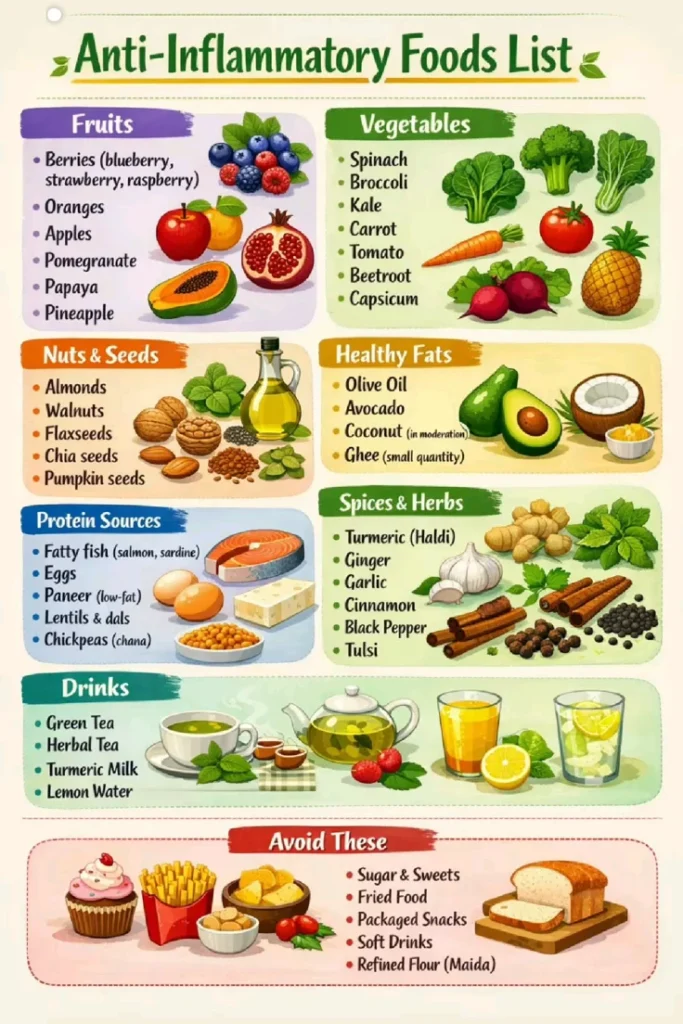
Top 15 Anti-Inflammatory Foods
Incorporating anti-inflammatory foods into your diet can significantly enhance overall health, reduce chronic inflammation, and potentially lower the risk of various diseases. Here are the top 15 anti-inflammatory foods to consider including in your weekly meals:
1. Berries: Rich in antioxidants, particularly anthocyanins, berries such as blueberries, strawberries, and raspberries help reduce oxidative stress and inflammation.
2. Fatty Fish: Fish like salmon, mackerel, and sardines are high in omega-3 fatty acids, which are known for their anti-inflammatory properties. Aim for at least two servings a week.
3. Leafy Greens: Vegetables like spinach, kale, and Swiss chard are packed with vitamins, minerals, and phytochemicals that fight inflammation. An easy way to enjoy them is in salads or smoothies.
4. Nuts: Almonds, walnuts, and hazelnuts are excellent sources of healthy fats, fiber, and antioxidants. Snacking on a handful of nuts each day can contribute to overall health.
5. Olive Oil: Extra virgin olive oil possesses potent anti-inflammatory effects and is a healthy fat alternative in cooking and dressings.
6. Avocados: Rich in monounsaturated fats and antioxidants, avocados provide anti-inflammatory benefits and can be added to salads or made into guacamole.
7. Turmeric: This spice contains curcumin, a compound with powerful anti-inflammatory properties. It can be used in curry dishes or as a supplement.
8. Ginger: Known for its gastrointestinal benefits, ginger also fights inflammation and can be consumed in teas, stir-fries, or smoothies.
9. Garlic: Garlic has been shown to enhance the immune system and lower inflammation levels in the body. It can be easily added to various dishes.
10. Tomatoes: Especially beneficial when cooked, tomatoes are rich in lycopene, an antioxidant with anti-inflammatory benefits. Enjoy them in sauces or salads.
11. Beets: Beets contain betalains, which are known for their anti-inflammatory properties. They can be roasted, juiced, or grated into salads.
12. Whole Grains: Foods like brown rice, quinoa, and whole wheat are rich in fiber and antioxidants, contributing to reduced inflammation. Incorporate them as a base for meals.
13. Green Tea: This beverage is loaded with polyphenols and has been noted for its anti-inflammatory effects. Consider drinking a cup daily for optimal benefits.
14. Dark Chocolate: High in antioxidants, dark chocolate can offer anti-inflammatory effects when consumed in moderation. Look for varieties with at least 70% cocoa content.
15. Citrus Fruits: Oranges, lemons, and grapefruits are rich in Vitamin C and flavonoids that have strong anti-inflammatory capabilities. Enjoy them fresh or as juice.
Incorporating these anti-inflammatory foods into your weekly diet not only aids in reducing inflammation but also enhances overall nutritional intake, leading to better health outcomes over time.
The Science Behind Anti-Inflammatory Foods
In recent years, the relationship between diet and inflammation has garnered significant attention within the fields of nutrition and health. Chronic inflammation is now recognized as a contributing factor to a variety of diseases, including heart disease, diabetes, and certain cancers. The consumption of anti-inflammatory foods can play a crucial role in modulating this process. Research suggests that specific nutrients and antioxidants found in these foods work by interfering with pathways that lead to the inflammatory response.
One key mechanism is the presence of phytochemicals, which are bioactive compounds naturally found in fruits, vegetables, nuts, and whole grains. For instance, flavonoids, found abundantly in berries and dark chocolate, have demonstrated potent anti-inflammatory properties. Various studies have shown that these compounds can inhibit the production of inflammatory markers such as cytokines and prostaglandins, which are responsible for mediating inflammation in the body. Additionally, essential fatty acids, particularly omega-3 fatty acids found in fatty fish, flaxseed, and walnuts, have been recognized for their ability to modulate inflammatory pathways, promoting a reduction in overall inflammation.
The role of antioxidants cannot be understated, as they help protect the body from oxidative stress, which is closely linked to inflammation. Vitamins C and E, along with selenium, are examples of antioxidants that offer protective benefits when incorporated into a balanced diet. Studies have indicated that individuals who regularly consume diets rich in antioxidants tend to exhibit lower levels of systemic inflammation.
Ultimately, an understanding of the science behind these anti-inflammatory foods highlights the importance of dietary choices in promoting long-term health and disease prevention. By integrating a variety of these food sources into our weekly meals, we not only support a reduction in inflammation but also cultivate a holistic approach to wellness.
Incorporating Anti-Inflammatory Foods into Your Diet
Incorporating anti-inflammatory foods into your daily meals can significantly enhance your overall health while promoting a balanced lifestyle. To start, consider implementing a meal planning strategy that revolves around these nutrient-rich foods. Planning your meals not only saves time but also ensures that you consistently include anti-inflammatory ingredients in your diet.
Begin by selecting a variety of anti-inflammatory foods such as fatty fish like salmon and sardines, which are high in omega-3 fatty acids. Incorporate plenty of leafy greens, berries, nuts, and seeds, which are rich in antioxidants and essential nutrients. When planning your meals, aim for a beautiful plate that includes colorful vegetables, ample protein, and healthy fats to create a visually appealing and nutritious spread that promotes an anti-inflammatory lifestyle.
Cooking methods play a crucial role in preserving the nutrients in these foods. For example, steaming vegetables retains their vitamins, while grilling or baking fish enhances flavor without the need for excessive oil. Consider using olive oil or avocado oil in your dressings and marinades, as these healthy fats are known for their anti-inflammatory properties. Additionally, try incorporating herbs and spices such as turmeric and ginger into your cooking; these ingredients not only add flavor but are also well-known for their anti-inflammatory benefits.
To create balanced meals, think about combining various food groups. A quinoa salad topped with grilled salmon, mixed greens, cherry tomatoes, and a sprinkle of nuts is a delicious way to utilize anti-inflammatory foods. Smoothies are another fantastic option for breakfast or a snack, combining spinach, berries, and a scoop of nut butter for a nutrient-dense drink. Remember, small changes can lead to significant health benefits, and making these adjustments can promote a sustainable anti-inflammatory eating pattern.

