
What are Probiotics?
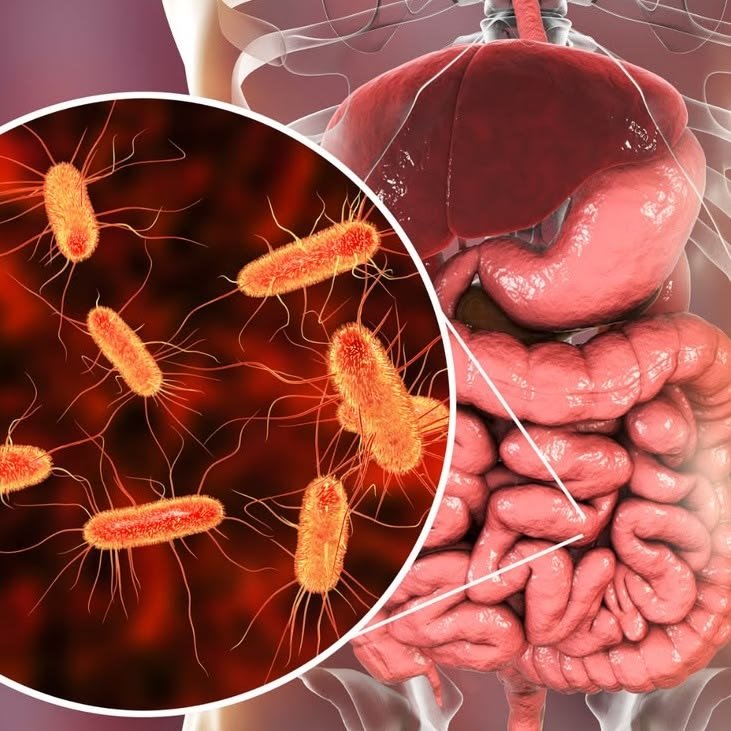
Probiotics are defined as live microorganisms that confer health benefits to the host when consumed in adequate amounts. Often referred to as “good bacteria,” probiotics play a vital role in maintaining the balance of the gut microbiome, which is crucial for overall health and well-being. The significance of probiotics lies in their ability to enhance intestinal health, improve digestion, and support the body’s immune system.
Thank you for reading this post, don't forget to subscribe!There are numerous strains of probiotics, each having distinct characteristics and health benefits. For example, Lactobacillus and Bifidobacterium are two of the most studied genera. Lactobacillus species are commonly found in yogurt and fermented foods, while Bifidobacterium is often present in dairy products and supplements. The effectiveness of specific strains can vary, making it essential to choose the right type based on individual health goals.
Incorporating probiotics into one’s diet can be achieved through natural foods such as yogurt, kefir, sauerkraut, and kimchi, as well as dietary supplements. These sources not only provide a rich array of beneficial bacteria but also contribute to the overall nutritional intake. Regular consumption of probiotics has been linked to various health benefits, particularly in terms of digestive health. They assist in the breakdown of food, help prevent constipation, and allege symptoms of gastrointestinal disorders such as irritable bowel syndrome (IBS).
In addition to their gastrointestinal benefits, probiotics are known to support the immune system. They can enhance immunological responses, potentially reducing the incidence of infections and illnesses. Recent research has also begun to explore the connection between gut health and mental well-being; thus, some studies suggest that probiotics might influence mood and stress levels positively.
What are Prebiotics?
Prebiotics are non-digestible food components that play a vital role in promoting the growth and activity of beneficial microorganisms in the gut. Unlike probiotics, which are live bacteria that confer health benefits upon consumption, prebiotics serve as a food source for these beneficial bacteria. By stimulating the growth of probiotics, prebiotics help create a favorable environment in the gut, facilitating optimal gut health.
One of the most well-known categories of prebiotics includes oligosaccharides, which are short chains of sugar molecules. These oligosaccharides can be found in high concentrations in a variety of foods. For instance, garlic, onions, and bananas are not only flavor-enhancing ingredients but are also rich sources of prebiotic fibers. Consuming these foods can have a substantial positive impact on gut microbial diversity.
Research has shown that prebiotics contribute to numerous health benefits, which are essential for maintaining overall well-being. They are known to enhance mineral absorption, particularly calcium and magnesium, which is critical for bone health. Furthermore, prebiotics improve gut barrier function by fostering the growth of beneficial bacteria that help protect against pathogenic microorganisms. This protective action reduces the risk of gastrointestinal disorders and contributes to a balanced gut environment.
Additionally, prebiotics play a significant role in regulating metabolism. By modulating gut bacteria, prebiotics can help in managing weight, reducing fat storage, and enhancing satiety. This is particularly relevant in today’s society, where obesity and metabolic syndrome have become prevalent health issues. Incorporating prebiotic-rich foods into the diet can serve as an advantageous strategy to promote not only gut health but also overall metabolic health.
The Differences Between Probiotics and Prebiotics
Probiotics and prebiotics, although frequently mentioned together in the context of gut health, serve distinctly different yet complementary functions. Probiotics are defined as live microorganisms, primarily bacteria, that confer health benefits to the host when consumed in adequate amounts. These beneficial bacteria can be found in a variety of fermented foods such as yogurt, kefir, sauerkraut, and kimchi, or they can be taken in the form of dietary supplements.
On the other hand, prebiotics are non-digestible food components, typically fibers, that serve as nourishment for probiotic bacteria. They play a vital role in promoting the growth of these beneficial microorganisms by providing them with the necessary fuel. Common food sources of prebiotics include garlic, onions, asparagus, bananas, and whole grains, which encourage a healthy microbial balance within the gut.
Understanding the key differences between these two concepts is essential for maintaining optimal gut health. Probiotics directly influence the gut microbiota by adding beneficial bacteria, while prebiotics support these bacteria by enhancing their growth and activity. This synergistic relationship underscores the importance of incorporating both into one’s diet.
Furthermore, misconceptions about probiotics and prebiotics abound; for example, some may think consuming probiotics alone is sufficient for gut health. However, without prebiotics, probiotics may not thrive, leading to suboptimal benefits. A balanced diet that includes both probiotics and prebiotics not only promotes digestion but may also boost the immune system, enhance nutrient absorption, and prevent gastrointestinal disorders. As such, visual aids like charts or infographics can effectively illustrate these differences and aid in understanding how they jointly contribute to gut health.
Why You Need Both Probiotics and Prebiotics for Gut Health
Maintaining optimal gut health necessitates a careful balance of both probiotics and prebiotics. Probiotics, live beneficial bacteria, directly contribute to the gut flora, improving digestion and enhancing the immune system. However, their effectiveness can be significantly amplified when complemented with prebiotics, which serve as a food source for these beneficial bacteria.
The synergistic relationship between probiotics and prebiotics is crucial. Probiotics thrive and proliferate when they are provided with the proper nutrients found in prebiotic foods, such as dietary fibers from fruits, vegetables, and whole grains. By consuming both in tandem, individuals not only improve their digestive health but also amplify the immune response and support overall wellness. Moreover, this combined approach can mitigate gastrointestinal issues, reduce inflammation, and improve nutrient absorption.
Incorporating both probiotics and prebiotics into your diet can be achieved through a variety of delicious and convenient methods. Probiotic-rich foods include yogurt, kefir, sauerkraut, kimchi, and kombucha. On the other hand, options high in prebiotic fibers include bananas, onions, garlic, leeks, asparagus, and legumes. It is advisable to include a diverse range of these foods to ensure a well-balanced intake that nourishes the gut microbiome effectively.
For individuals considering supplementation, it is essential to choose high-quality products that contain both probiotics and prebiotic fibers, often labeled as synbiotics. Neglecting either component can lead to an imbalanced gut flora, which may manifest in digestive disturbances and diminished overall health. Therefore, recognizing the importance of integrating both elements into daily nutrition is pivotal for supporting long-term gut health and wellness.

