
Understanding the Gut-Brain Connection
The relationship between the gut and the brain is a complex and intricate one, often referred to as the gut-brain connection. This connection operates through a bidirectional communication system that involves the central nervous system and the digestive system, illustrating how mental health and gut health are interlinked. The gut hosts trillions of microorganisms, collectively known as the gut microbiome, which play a significant role in influencing our overall health, including emotional well-being.
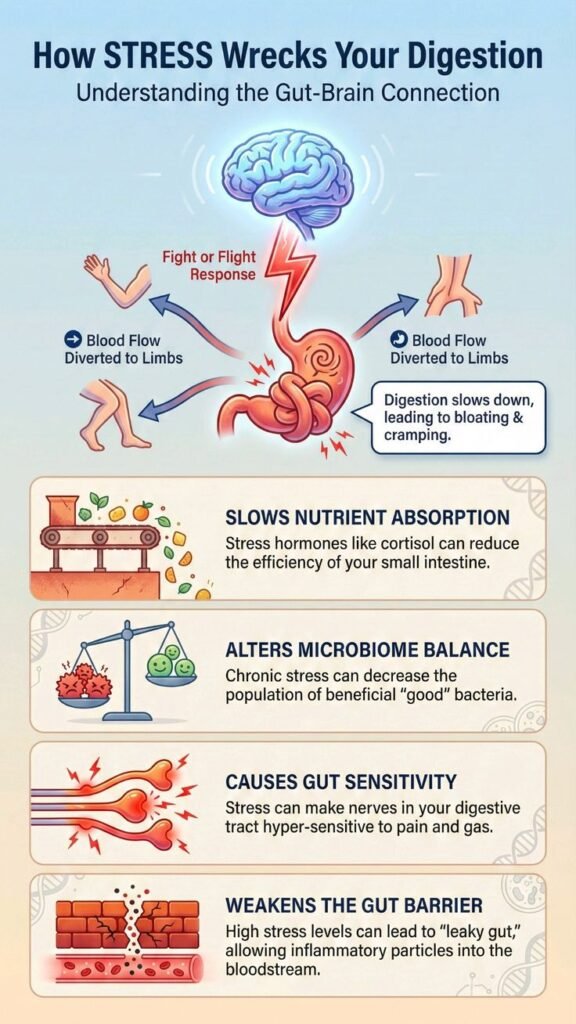
Thank you for reading this post, don't forget to subscribe!Research has demonstrated that stress can significantly alter the composition and function of the gut microbiome, leading to dysbiosis—a condition where there is an imbalance of gut bacteria. When an individual experiences stress, it triggers the body’s fight-or-flight response, which activates the sympathetic nervous system. This activation can impact gastrointestinal motility, secretion of digestive enzymes, and even the permeability of the gut lining. Consequently, this disruption may result in various digestive issues, such as irritable bowel syndrome (IBS) and inflammatory bowel disease (IBD).
Additionally, the vagus nerve plays a vital role in this connection by serving as a major communication pathway between the gut and the brain. It carries signals in both directions, allowing the brain to influence gut functions and vice versa. Studies have shown that a healthy gut microbiome produces neurotransmitters, such as serotonin, which are crucial for mood regulation. Conversely, chronic stress can lead to an altered microbiome, diminishing the production of these neurotransmitters and potentially contributing to anxiety and depression.
Thus, understanding the gut-brain connection is essential for comprehending how stress impacts gut health. The implications of this relationship emphasize the need for strategies that promote gut health as a component of mental wellness, ensuring both systems are nurtured for optimal health.
The Impact of Stress on Gut Health
Stress is not merely a psychological phenomenon; it exerts profound effects on physical health, particularly on gut health. The relationship between stress and the gastrointestinal system is complex, involving various mechanisms that can compromise gut integrity and function. One prominent physiological response to stress is the release of cortisol, a hormone that is essential in managing the body’s response to stress. However, elevated levels of cortisol can disrupt digestion, leading to a series of challenges within the gut.
One significant condition that arises from chronic stress is Irritable Bowel Syndrome (IBS). Characterized by symptoms such as abdominal pain, bloating, and irregular bowel movements, IBS has been shown to have a strong correlation with psychological stress. In many cases, individuals suffering from IBS report heightened levels of anxiety or stress, indicating that their gut health is directly influenced by their psychological state. For instance, a case study involving a patient with IBS revealed that episodes of intense stress correlated with flare-ups of gastrointestinal symptoms, highlighting the intricate link between emotional health and digestive well-being.
Moreover, stress can also contribute to a condition known as leaky gut syndrome. This occurs when the intestinal barrier becomes permeable, allowing toxins and undigested food particles to escape into the bloodstream. Stress-induced inflammation can exacerbate this condition, leading to further complications and a wide range of health issues. Additionally, the gut microbiota, the community of microorganisms residing in the digestive tract, can also be affected by stress. Research suggests that stress can alter the composition and diversity of gut bacteria, which plays a crucial role in maintaining digestive health, immune function, and overall well-being.
In conclusion, it is evident that stress has a multifaceted impact on gut health, contributing to various conditions that affect millions of individuals worldwide. Understanding this relationship is vital for developing effective strategies to mitigate the detrimental effects of stress on the gastrointestinal system.
Signs Your Gut Health is Suffering from Stress
Understanding the signs that your gut health is suffering due to stress can be the first step towards regaining balance within your digestive system. Chronic stress is known to create an imbalance in the gut microbiome, leading to various gastrointestinal issues. Individuals may experience bloating, which is characterized by a feeling of fullness or swelling in the abdomen. This can often be accompanied by excessive gas, a common yet uncomfortable symptom related to digestive disturbances that stress can exacerbate.
Constipation is another sign that your gut health may be deteriorating under the influence of stress. When the body is under pressure, the digestive system may slow down, leading to infrequent bowel movements or difficulty passing stools. In contrast, some individuals may experience diarrhea, which occurs when the colon is unable to absorb water properly, resulting in loose or watery stools as a reaction to stress hormones.
Furthermore, food intolerances can arise or become more pronounced during stressful periods. This could manifest as discomfort or adverse reactions upon consuming specific foods, which may be partly attributed to an altered gut microbiome and impaired digestion. Identifying these symptoms is crucial, as they signal that your gut health is potentially compromised. If you notice these changes occurring persistently, it may be time to evaluate stress management strategies, dietary adjustments, or consult a healthcare professional. By recognizing these signs early, you can take proactive steps to support your gut health and overall well-being.
Strategies to Reverse the Effects of Stress on Gut Health
Addressing the impact of stress on gut health necessitates a multifaceted approach that incorporates both lifestyle changes and mental health strategies. One of the most effective techniques is practicing mindfulness. Mindfulness exercises, such as meditation and deep-breathing techniques, help reduce stress and promote a sense of calm. Regular practice can lead to improved gut function, as it encourages the body to enter a relaxed state, which is essential for optimal digestion.
Dietary adjustments also play a crucial role in restoring gut health. Incorporating a balanced diet rich in fiber, fruits, vegetables, and whole grains can enhance gut microbiota diversity, which is vital for gut health. Fermented foods, such as yogurt, kefir, and kimchi, are particularly beneficial as they contain probiotics that can aid in restoring the intestinal flora balance disrupted by stress.
In addition to dietary changes, engaging in regular physical activity is paramount. Exercise not only decreases levels of the stress hormone cortisol but also promotes healthier gut function. Activities such as walking, yoga, and cycling can significantly enhance digestion and help alleviate symptoms of anxiety that may affect the gut.
For some individuals, seeking professional help through cognitive-behavioral therapy can be beneficial. This therapeutic approach focuses on identifying and managing negative thought patterns and behaviors that contribute to stress. By learning coping mechanisms to handle stress, individuals can create a healthier gut environment.
Finally, incorporating probiotics either through dietary sources or supplements can be helpful in restoring gut health. Probiotics enhance gut microbiome balance and can alleviate stress-related gut symptoms. By implementing these strategies, individuals can take proactive steps to mitigate the harmful effects of stress on their gut health, thereby improving both their physical and mental well-being.

