
Understanding Inflammation and Its Effects
Inflammation is a vital biological response of the body to harmful stimuli, such as pathogens, damaged cells, or irritants. This protective mechanism helps the body to heal and recover. However, inflammation can present in both acute and chronic forms. Acute inflammation is a short-term response, characterized by immediate symptoms and a quick resolution. It serves to localize and eliminate the offending agent, usually presenting with symptoms like redness, swelling, heat, and pain in the affected area.
Chronic inflammation, on the other hand, persists over a longer duration and can lead to various health complications. The body’s immune response may become dysregulated, resulting in the continued release of pro-inflammatory substances. This prolonged state of inflammation is associated with numerous diseases, such as arthritis, heart disease, diabetes, and even certain cancers. Chronic inflammatory responses can have damaging effects on healthy tissues, leading to a slew of health issues that significantly impair quality of life.
Common inflammatory diseases, such as autoimmune disorders like rheumatoid arthritis, occur when the body misidentifies normal cells as threats, leading to ongoing inflammatory processes. Moreover, lifestyle factors, notably diet, play an essential role in managing inflammation. Certain foods possess anti-inflammatory properties that can help modulate the body’s immune response. Incorporating nutrient-rich foods into a daily eating plan may assist in reducing chronic inflammation, thus mitigating the risks associated with prolonged inflammatory response. Understanding the complexities of inflammation and its implications on health is crucial, as it underscores the importance of maintaining a diet that supports bodily health and well-being.
The Role of Antioxidants in Fighting Inflammation
Antioxidants play a crucial role in the body’s defense against inflammation, which is a natural response to injury and infection. However, chronic inflammation can lead to various health issues, including autoimmune diseases, cardiovascular disorders, and even cancer. Understanding the mechanism through which antioxidants work can provide insights into how dietary choices can support overall health and mitigate inflammation.
At a fundamental level, antioxidants neutralize free radicals—unstable molecules that can cause oxidative stress leading to cellular damage. This oxidative stress is a significant contributor to chronic inflammation. By counteracting these free radicals, antioxidants effectively reduce the level of oxidative stress in the body, promoting a healthier inflammatory response. There are several types of antioxidants, including vitamins, minerals, and phytochemicals, each contributing to the body’s inflammation-fighting capabilities.
Vitamins such as Vitamin C and Vitamin E are well-known antioxidants. Vitamin C, for instance, not only protects cells from damage but also enhances the immune response. Citrus fruits, berries, and leafy greens are excellent sources of Vitamin C. On the other hand, Vitamin E, found in nuts, seeds, and vegetable oils, works synergistically with other antioxidants to reduce inflammation.
Minerals like selenium and zinc also play vital roles as antioxidants. Selenium, found in foods like Brazil nuts and fish, helps protect cells from oxidative stress and supports the immune system. Zinc, present in meat, shellfish, legumes, and seeds, is essential for maintaining healthy immune function and can alleviate inflammatory responses.
Furthermore, phytochemicals—bioactive compounds found in plants—are pivotal in combatting inflammation. Compounds such as flavonoids and polyphenols, abundant in fruits, vegetables, tea, and spices, not only possess antioxidant properties but also enhance the effectiveness of traditional vitamins and minerals in reducing inflammation.
By incorporating a diet rich in these antioxidant sources, individuals can significantly improve their ability to combat inflammation and consequently enhance their overall health.
Top Healthy Foods to Incorporate Into Your Diet
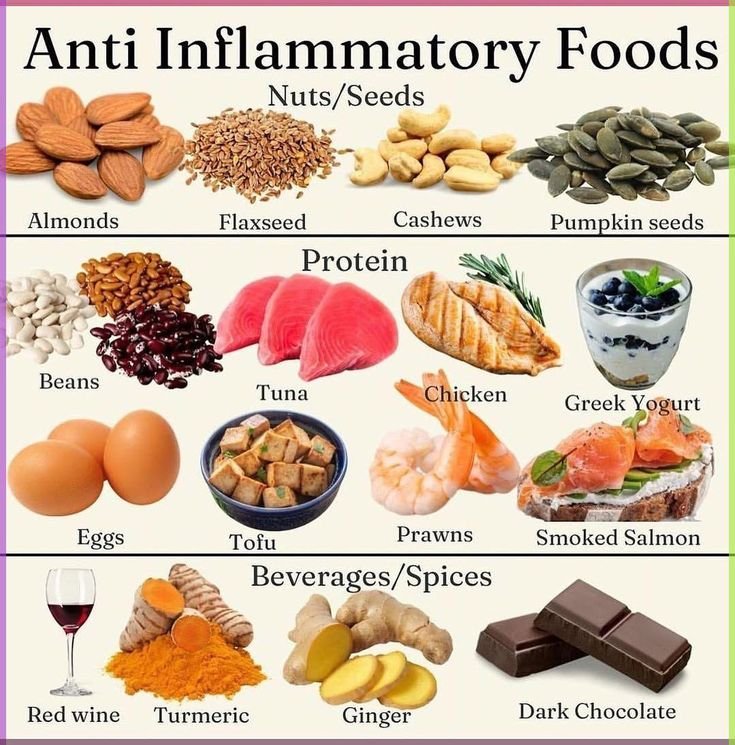
In the pursuit of a diet that combats inflammation, selecting the right foods is paramount. Certain categories of foods have gained recognition for their anti-inflammatory properties, making them valuable additions to one’s diet.
Fruits are vital in this regard. Berries, such as blueberries, strawberries, and blackberries, are high in antioxidants, particularly anthocyanins, which are known to reduce inflammation. Citrus fruits, including oranges and grapefruits, are also beneficial, as they contain vitamin C and flavonoids that can help lower inflammatory markers.
Vegetables, especially leafy greens like spinach, kale, and Swiss chard, provide essential nutrients and are rich in antioxidants. Cruciferous vegetables such as broccoli, Brussels sprouts, and cauliflower have also been shown to alter inflammatory pathways in the body. Incorporating a variety of colorful vegetables into meals can enhance their anti-inflammatory effects.
Whole grains such as oats, brown rice, and quinoa are rich in fiber, which supports gut health and can decrease inflammation levels. The presence of nutrients like magnesium and vitamin E in whole grains further contributes to their anti-inflammatory capabilities.
Nuts and seeds are other powerful allies against inflammation. Walnuts and almonds are particularly noted for their high omega-3 fatty acid content, which has been demonstrated to fight inflammation. Flaxseeds and chia seeds are also excellent sources of omega-3s along with dietary fiber, making them beneficial for overall health.
Finally, healthy fats like those found in olive oil, avocados, and fatty fish such as salmon and mackerel are essential components. Olive oil, for instance, contains oleocanthal, which has similar effects to non-steroidal anti-inflammatory drugs (NSAIDs).
By integrating these nutrient-rich foods into your daily meals, you can create an effective dietary approach aimed at reducing inflammation and promoting better health over time.
Practical Tips for an Anti-Inflammatory Diet
Incorporating nutrient-rich foods into your daily meals is a key strategy in combatting inflammation. A practical approach begins with meal planning, which can help ensure that you consistently include anti-inflammatory options in your diet. Start by dedicating time each week to plan your meals, emphasizing whole grains, fatty fish, and a variety of fruits and vegetables known for their health benefits.
One effective way to include these foods is to create a balanced plate. Aim to fill half of your plate with colorful vegetables such as leafy greens, tomatoes, and bell peppers. These foods are abundant in antioxidants and nutrients that help mitigate inflammation. The other half can be divided into one-quarter protein sources, such as salmon, mackerel, or legumes, and one-quarter whole grains, including quinoa, brown rice, or oats.
For those seeking inspiration, numerous recipes highlight anti-inflammatory ingredients. For instance, consider preparing a hearty lentil soup with turmeric and carrots, or a grilled salmon salad topped with avocados and a lemon vinaigrette. Smoothies are also an excellent way to pack in anti-inflammatory foods; blend spinach, blueberries, and a tablespoon of flaxseeds for a refreshing drink.
Additionally, when considering substitutions, swap out refined grains for whole grains and replace sugary snacks with fruits or nuts. Integrating spices such as ginger and garlic into your cooking can offer not only flavor but also anti-inflammatory properties. It’s important to remember that lifestyle changes can complement a healthy diet. Regular physical activity, adequate sleep, and stress management techniques are all vital for managing inflammation effectively.
By thoughtfully combining these dietary strategies with healthy lifestyle habits, you can make meaningful progress in reducing inflammation and promoting overall health.