
Understanding Inflammation and Its Effects on Health
Inflammation is a natural and complex biological response of the body’s immune system to harmful stimuli such as pathogens, damaged cells, or irritants. This process is crucial for healing and protecting the body; however, it can have differing implications depending on its duration. Inflammation is categorized into two primary types: acute and chronic.
Acute inflammation is the body’s immediate reaction to injury or infection, characterized by swelling, redness, heat, and pain. This type of inflammation is typically short-term and resolves once the underlying cause is addressed, thereby promoting healing. For instance, if one suffers from a cut, acute inflammation facilitates the process of recovery by sending white blood cells to the affected area to combat potential infections.
On the other hand, chronic inflammation persists over an extended period, often leading to prolonged damage to the body’s tissues. This type of inflammation may not be as evident as its acute counterpart, but it can result in significant health issues, including heart disease, diabetes, and various autoimmune disorders. Conditions like rheumatoid arthritis or lupus are a result of autoimmune responses where the body misidentifies normal tissues as harmful, leading to chronic inflammation.
It is essential to address chronic inflammation, as it plays a pivotal role in the development of several chronic illnesses. One of the most effective ways to combat inflammation is through dietary choices. A balanced diet rich in anti-inflammatory foods can help mitigate the effects of chronic inflammation on health. Incorporating foods high in antioxidants, omega-3 fatty acids, and fiber can aid in reducing inflammation levels. Therefore, understanding the nature of inflammation, along with its potential consequences on overall health, is vital for making informed dietary choices for better health outcomes.
The Role of Antioxidants in Fighting Inflammation
Antioxidants play a crucial role in combating inflammation within the body. They are compounds that help neutralize free radicals, which are harmful molecules produced during metabolic processes and environmental stressors. Free radicals can lead to oxidative stress, a condition that occurs when there is an imbalance between free radicals and antioxidants in the body. This oxidative stress is closely linked to chronic inflammation, which can cause various health issues, including heart disease, diabetes, and autoimmune disorders.
The primary mechanism by which antioxidants mitigate inflammation is through their ability to stabilize free radicals. By donating an electron to these unstable molecules, antioxidants prevent them from causing cellular damage. This protective effect helps to decrease the overall inflammation levels in the body. Common antioxidants include vitamins C and E, selenium, and phytochemicals found in fruits and vegetables.
A diverse array of dietary sources provides these essential antioxidants. For example, fruits such as blueberries, strawberries, and oranges are rich in vitamin C, while nuts and seeds offer vitamin E and selenium. Additionally, vibrant-colored vegetables like spinach, kale, and bell peppers boast a plethora of phytochemicals such as flavonoids and carotenoids, which contribute to their anti-inflammatory properties.
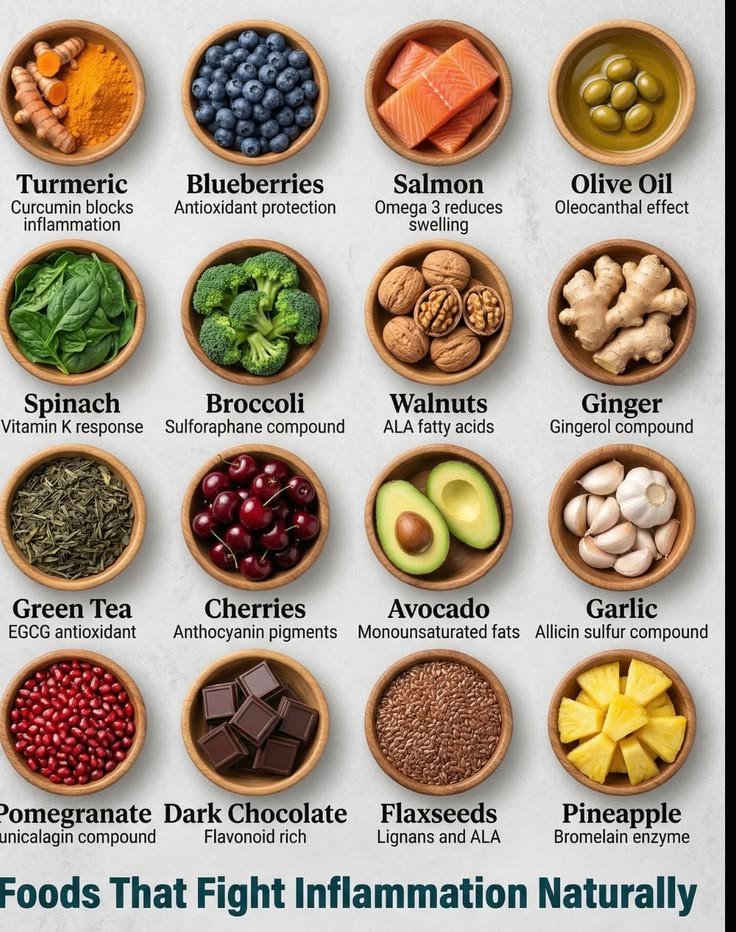
Moreover, herbs and spices such as turmeric and ginger contain potent antioxidants that further support the body’s inflammatory response. Curcumin, the active compound in turmeric, has been widely studied for its strong anti-inflammatory effects, making it a popular choice in natural health regimens.
Incorporating a variety of these foods into one’s diet can significantly enhance the antioxidant intake, thereby promoting a reduction in inflammation. By focusing on nutritional strategies that emphasize these antioxidant-rich foods, individuals can foster better overall health and potentially reduce the risk of chronic inflammatory diseases.
Key Foods That Help Reduce Inflammation
Inflammation is a natural response by the body to protect against injury and infection, but chronic inflammation can lead to various health issues. Fortunately, numerous foods are recognized for their anti-inflammatory properties and can be incorporated into a balanced diet to help combat this condition.
Fruits are an excellent source of antioxidants and vitamins that can significantly reduce inflammation. Berries, such as strawberries, blueberries, and blackberries, are particularly effective due to their high levels of anthocyanins, which are compounds that have strong anti-inflammatory effects. Other fruits like oranges and pineapples contain vitamin C and bromelain, both of which contribute to lowering inflammatory responses.
Vegetables also play a crucial role in an anti-inflammatory diet. Leafy greens, such as spinach and kale, are rich in vitamins A, C, K, and several antioxidants. Cruciferous vegetables, including broccoli and Brussels sprouts, contain sulforaphane, another compound linked to reducing inflammation. Incorporating a variety of colorful vegetables into meals can ensure a broad spectrum of nutrients.
Whole grains, such as oats, brown rice, and quinoa, provide fiber that aids in digestive health and can help regulate inflammation. The fiber found in whole grains can also support a healthy gut microbiome, which is essential in managing inflammation.
Healthy fats like those found in olive oil, avocados, and fatty fish (e.g., salmon, mackerel) contain Omega-3 fatty acids, known for their potent anti-inflammatory effects. Including these fats in your meals can enhance flavor and support overall health.
Finally, spices such as turmeric and ginger are well-known for their anti-inflammatory properties. Turmeric contains curcumin, powerful in fighting inflammation, while ginger is beneficial for its ability to relieve pain and reduce swelling. These spices can be easily added to various dishes to boost both health benefits and flavor.
To incorporate these foods into daily meals, consider starting breakfast with oatmeal topped with berries, including a salad with mixed leafy greens and colorful vegetables for lunch, and opting for grilled salmon drizzled with olive oil and a side of quinoa for dinner. By making these additions, one can take significant steps toward reducing inflammation through diet.
Lifestyle Changes to Complement a Diet for Inflammation
While adhering to an anti-inflammatory diet is a fundamental step towards reducing inflammation, several lifestyle changes can significantly enhance its effectiveness. These changes encompass various aspects of daily living, including physical activity, sleep, stress management, and hydration.
Regular physical activity is one of the most powerful tools in fighting inflammation. Engaging in aerobic exercises, such as walking, cycling, or swimming, can promote increased blood circulation and reduce inflammatory markers in the body. Furthermore, strength training exercises help build muscle and improve bone density, both of which are beneficial as part of a comprehensive strategy against inflammation. Aim for at least 150 minutes of moderate exercise per week, as this can help maintain a healthy weight and improve overall health.
Another crucial factor is the quality of sleep. Research indicates that inadequate sleep can lead to heightened inflammation. Aiming for 7-9 hours of quality sleep each night contributes to overall wellness and can aid in the body’s repair processes. Establishing a regular sleep schedule, creating a comfortable sleep environment, and practicing good sleep hygiene can collectively enhance sleep quality.
Effective stress management also plays a vital role in inflammation control. Chronic stress can trigger inflammatory responses in the body. Techniques such as mindfulness, meditation, yoga, and deep-breathing exercises can help reduce stress levels. Incorporating these practices into your daily routine not only lowers stress but also promotes mental clarity and emotional resilience.
Lastly, staying adequately hydrated is essential for maintaining optimal health. Water supports bodily functions and helps in nutrient transport as well as toxin removal. Proper hydration can help modulate inflammation and promote recovery processes within the body. Aim to drink at least 8 cups of water per day, adjusting your intake based on activity level and climate conditions.