
Introduction to Self-Care
In contemporary society, where the pace of life accelerates and demands increase, the concept of self-care emerges as a crucial counterbalance for maintaining overall well-being. Self-care refers to the deliberate actions and practices that individuals undertake to nurture their physical, emotional, and mental health. While it may encompass a wide range of activities, the essence of self-care lies in the commitment to prioritize one’s own needs and health, serving as a foundation for leading a balanced and fulfilling life.
Thank you for reading this post, don't forget to subscribe!Self-care can be segmented into several dimensions. The physical aspect involves activities that promote bodily health, such as exercise, proper nutrition, and sufficient sleep. These foundational practices not only enhance physical vitality but also contribute to emotional stability. Meanwhile, the mental dimension emphasizes cognitive well-being through practices such as mindfulness and stress management techniques. This aspect proves vital in an increasingly information-heavy world, allowing individuals to navigate challenges effectively.
Furthermore, emotional self-care is crucial, as it fosters resilience and promotes positive relationships. Engaging in hobbies, maintaining social connections, and cultivating emotional awareness are key components of this dimension. Such practices empower individuals to manage their emotions constructively and maintain a positive outlook in the face of life’s pressures.
Investing even just 30 minutes a day in intentional self-care practices can yield significant benefits for both mental and physical health. By dedicating this time to oneself, individuals can recharge, refocus, and stay equipped to handle daily challenges effectively. The following segments will explore practical approaches that individuals can integrate into their routines, ensuring that self-care becomes an attainable part of everyday life.
Quick and Effective Self-Care Practices
In our fast-paced world, finding time for self-care can seem challenging. However, many effective self-care practices can be seamlessly integrated into a daily routine, taking less than 30 minutes each day. By dedicating just a short amount of time to these activities, individuals can greatly enhance their overall well-being.
One powerful practice is mindfulness meditation, which can be done in as little as five to ten minutes. This involves sitting quietly, focusing on your breath, and allowing your thoughts to pass without judgment. Creating a tranquil environment, perhaps with soft music or scented candles, can enhance this experience and promote relaxation.
Another effective method is a quick workout. Engaging in physical activity for just 15 to 20 minutes not only elevates physical health but also boosts mental clarity and mood. This can include brisk walking, a short cycling session, or even a home workout video that requires little equipment. The key is to choose an activity that is enjoyable, making it more likely to be consistent.
Journaling is an excellent self-care strategy that can be completed in under 30 minutes. This practice allows for self-reflection and emotional expression, which can be crucial for mental well-being. Setting aside time at the end of each day to note thoughts, feelings, and experiences can provide clarity and help process stress.
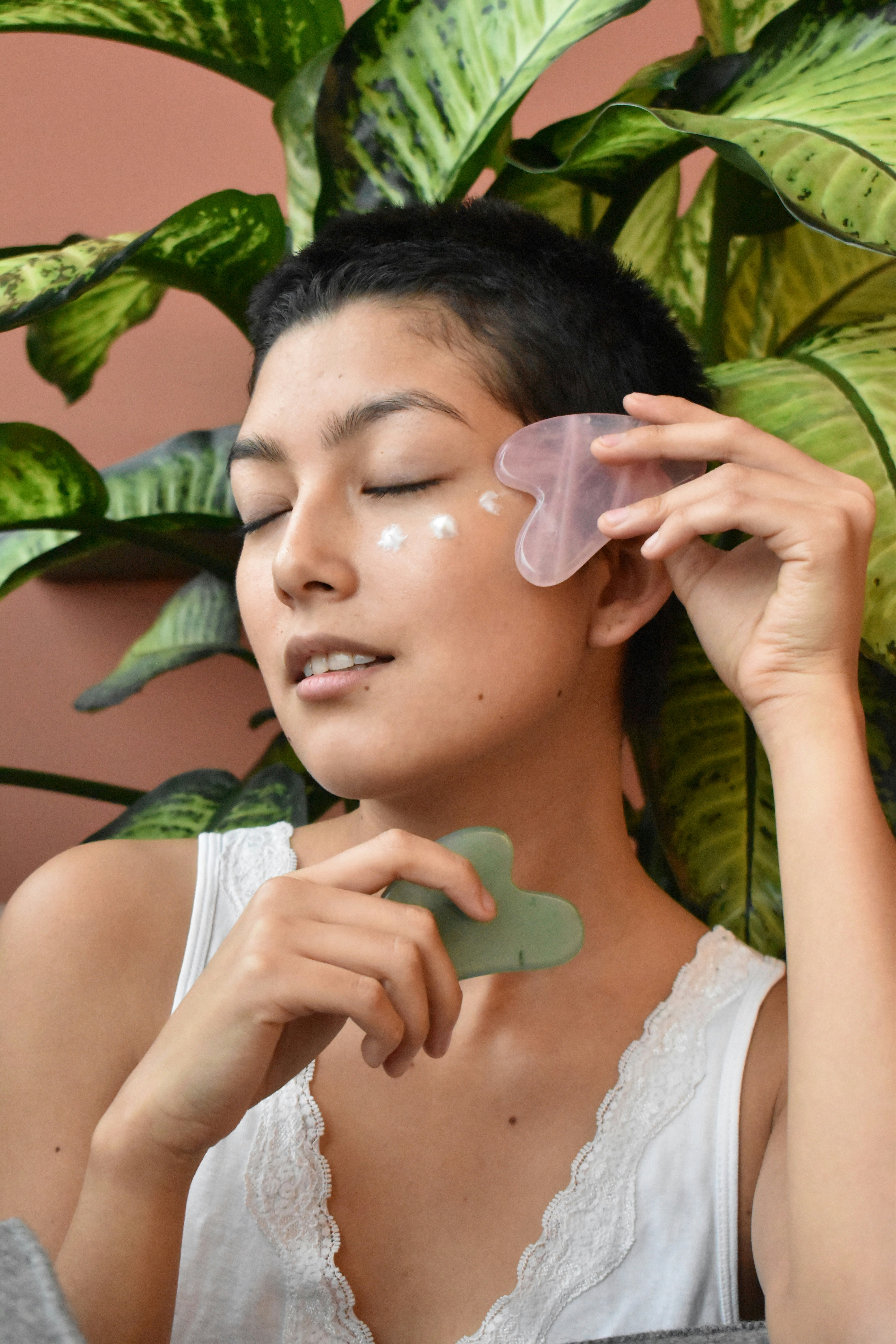
Lastly, self-massage, particularly focusing on the neck and shoulders, can alleviate tension that builds throughout the day. Using simple techniques, such as kneading and gentle pressure, individuals can relieve tightness and promote relaxation. Even a few minutes of this practice can have a significant impact on one’s comfort and stress levels.
Incorporating these quick self-care practices into daily routines can greatly improve one’s quality of life, ensuring that self-care remains a priority even amid a busy schedule.
Creating a Personalized Self-Care Schedule
Establishing a self-care schedule that is personalized to your unique needs and lifestyle can significantly enhance your well-being. The first step in this process is to identify your personal self-care priorities. Take some time to reflect on the activities that nourish your mind, body, and spirit. It may be helpful to categorize self-care into different areas such as physical, emotional, and social, allowing for a comprehensive overview of what aspects require attention.
Next, set realistic goals for your self-care routine. Start with small, achievable targets that can be easily integrated into your daily life. For instance, if physical activity is important, committing to a brisk 10-minute walk every morning can become a sustainable goal. Similarly, if relaxation is essential, allocate a few minutes in the evening to engage in a calming activity, such as reading or practicing mindfulness.
Once you have outlined your priorities and set your goals, the next step is to establish a schedule that fits seamlessly into your busy life. This involves identifying specific times during your day dedicated solely to self-care. Perhaps you could designate your lunch break for a quick meditation session or allocate a part of your weekend for a longer workout or social activity with friends. The key is to treat this time as non-negotiable, much like any other appointment, to ensure it receives the commitment it deserves.
Maintaining motivation and consistency in your self-care routine can often be challenging. To combat this, consider tracking your self-care activities in a journal or using a mobile app that allows you to log your progress and celebrate small successes. Regularly revisiting your self-care priorities can also help to adapt your schedule, ensuring it remains effective as your life evolves. By taking these steps towards a personalized self-care schedule, you are actively investing in your health and happiness.
Maintaining Long-Term Self-Care Habits
Creating a sustainable self-care routine can prove to be challenging for many individuals. Potential obstacles such as time constraints, fatigue, or personal commitments often hinder the ability to maintain these helpful practices. Recognizing that these barriers are common and can be overcome is crucial in developing a long-lasting self-care practice. By identifying specific challenges upfront, individuals can more effectively strategize ways to integrate self-care into their daily lives.
One effective strategy is to prioritize self-care by scheduling dedicated time for it, just as one would for an important appointment. This commitment can help signal the significance of self-care, making it feel essential rather than optional. Additionally, encouraging accountability through support networks, such as friends or family members, can enhance the likelihood of adherence to self-care routines. Regularly communicating about self-care goals can foster a supportive environment that nurtures one’s well-being.
Flexibility also plays a vital role in sustaining self-care habits. Life is often unpredictable and there may be days when a specific routine is unfeasible. It is essential to adapt and modify self-care practices to fit fluctuating circumstances. This might mean shortening the time spent on a favorite self-care activity or even substituting one activity for another that may be more manageable. The key is to remain open and willing to adjust while still prioritizing personal well-being.
Ultimately, self-care should be viewed as an ongoing journey rather than a destination. It is important to recognize that the pursuit of well-being may evolve over time. By cultivating an adaptive mindset toward self-care, individuals can navigate the complexities of their lives while still honoring their need for personal time and nurturing practices. This ongoing commitment to self-care fosters resilience and emotional health, contributing to a sustained balance in life.

