
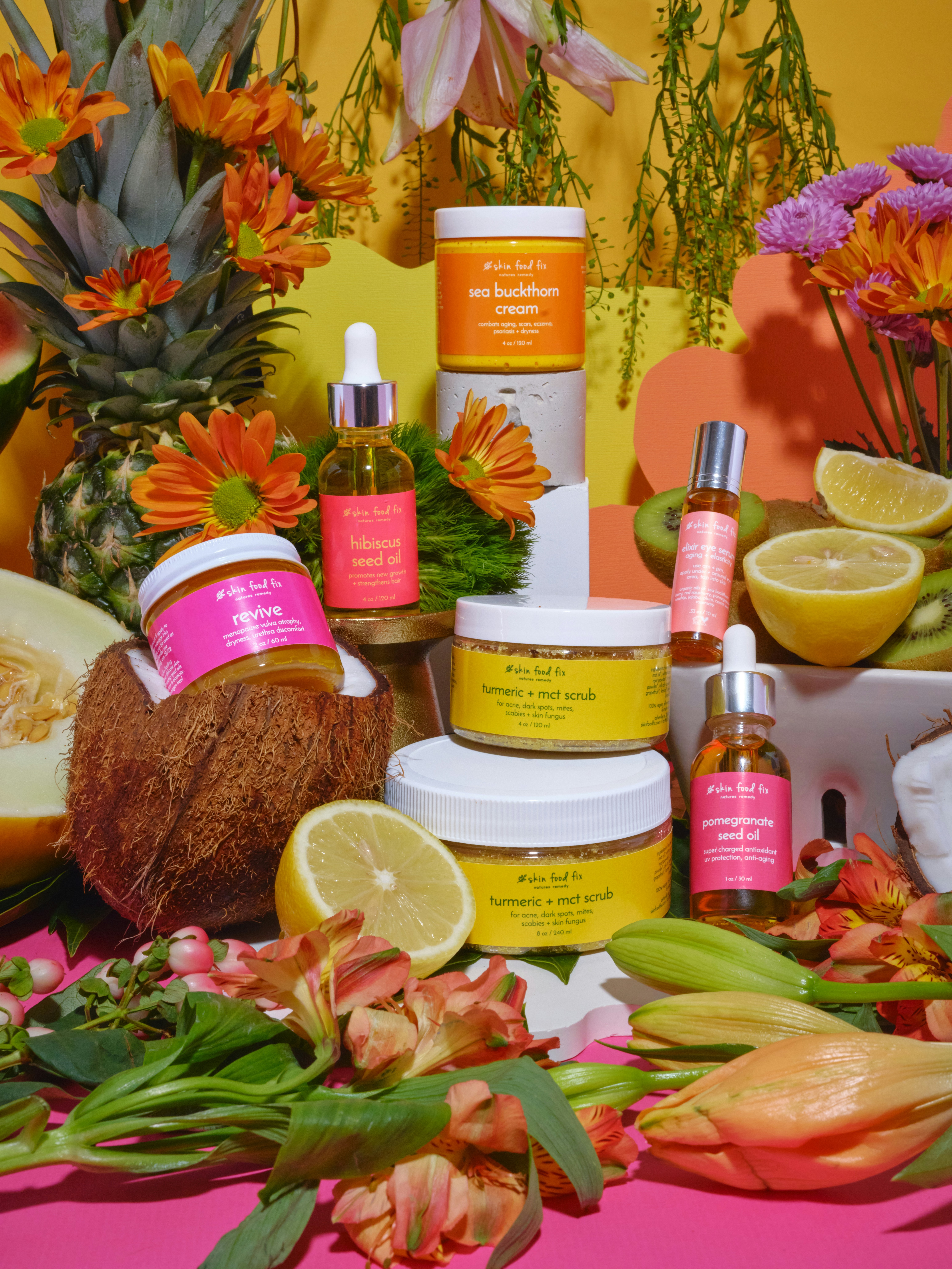
Introduction to Natural Skincare
The concept of natural skincare has gained significant traction in recent years, marking a notable shift from synthetic to natural ingredients in beauty products. This transition is largely driven by an increasing consumer interest in clean beauty, as awareness grows regarding the potential risks associated with chemical formulations. Many individuals are now opting for products that boast environmentally friendly ingredients, aligning with a desire for healthier lifestyle choices.
Thank you for reading this post, don't forget to subscribe!The benefits of embracing natural skincare are multifaceted. One of the primary advantages is the reduced occurrence of side effects, which are often associated with synthetic additives. Natural ingredients tend to be milder on the skin, making them suitable for a diverse range of skin types, including sensitive skin. Consumers have reported fewer irritations and allergic reactions when using products formulated with natural components compared to those containing synthetic chemicals.
Moreover, environmentally conscious consumers appreciate that many natural ingredients are sustainably sourced, allowing for a more responsible approach to beauty. This focus on sustainability extends beyond the formulation of products; it encompasses responsible packaging practices and a commitment to ethical sourcing, further enhancing the appeal of natural skincare.
As we explore specific natural skincare ingredients that are not only effective but also offer a myriad of benefits, it is essential to recognize that these formulations are tailored to nourish the skin. With their compatibility across various skin types, natural ingredients are paving the way for a holistic understanding of beauty, where efficacy is matched with health-conscious ethics. This framework establishes a solid foundation for discussing the standout ingredients that truly deliver results in the ever-evolving landscape of skincare.
Top 10 Effective Natural Ingredients
Natural skincare ingredients have surged in popularity in recent years, not only for their ecological sustainability but also for their efficacy. Below, we explore ten effective natural ingredients, focusing on their unique properties and the benefits they provide to skin health.
Aloe Vera: Renowned for its soothing and hydrating properties, aloe vera is often used in skincare products for its ability to calm inflamed skin and promote healing. Historically, it has been utilized since ancient Egypt, where it was recognized for its skin rejuvenation capabilities.
Tea Tree Oil: Known for its antimicrobial properties, tea tree oil is particularly effective in treating acne. This essential oil has been used by Indigenous Australians for generations and is backed by research demonstrating its ability to reduce acne lesions and speed up healing.
Jojoba Oil: With a composition that closely mimics human sebum, jojoba oil is an excellent moisturizer for all skin types. Its lightweight texture allows for comfortable wear, while its historical use by Native Americans confirms its place in skincare practices.
Shea Butter: A rich emollient, shea butter is known for its ability to nourish and hydrate dry skin. Its use dates back centuries across Africa, where it was traditionally applied to protect skin from harsh environmental elements.
Rosehip Oil: Extracted from the seeds of wild rose bushes, rosehip oil is packed with vitamins and antioxidants. It is celebrated for its ability to reduce scars and improve skin texture, making it an indispensable ingredient in many natural skincare formulations.
Honey: A natural humectant, honey draws moisture into the skin. It has been celebrated since ancient times for its healing properties, particularly in wound care and skin hydration.
Green Tea Extract: Renowned for its high antioxidant content, green tea extract helps combat skin aging and inflammation. Its historical usage in Asian cultures is supported by modern studies indicating its protective effects against UV damage.
Argan Oil: Rich in fatty acids and vitamin E, argan oil nourishes and hydrates skin while also providing anti-aging benefits. Traditionally used in Moroccan culture, it has garnered recognition for its effectiveness in skincare beyond its geographic origins.
Chamomile: Known for its calming properties, chamomile is frequently used to soothe irritated skin and reduce redness. One of the oldest medicinal herbs, its use in skincare has been backed by scientific studies highlighting its anti-inflammatory benefits.
Calendula: Often used in ointments for its healing properties, calendula has demonstrated effectiveness in reducing scars and soothing irritated skin. Its historical use in herbal remedies further supports its place in modern skincare.
Incorporating Natural Skincare Ingredients
Integrating natural skincare ingredients into your daily skincare routine can improve skin health and enhance your overall complexion. Begin by identifying the ten natural ingredients that resonate with your skin’s needs from the previous discussions. Once you have selected your preferred ingredients, you have several options for integrating them into your regimen.
Many products formulated with these ingredients are available on the market, so look for serums, creams, and face masks that highlight key components like aloe vera, jojoba oil, or rosehip oil. These products typically deliver concentrated doses of natural goodness that can efficiently target your skin concerns. Reading labels is essential to understand the percentages of active ingredients and ensure optimal benefits.
For those who enjoy DIY projects, creating your own treatments at home can be both rewarding and effective. For example, blending coconut oil with sugar creates a natural exfoliant, while mixing honey with yogurt can serve as a soothing face mask. When opting for home-based remedies, remember to perform a patch test to avoid allergic reactions, especially if you have sensitive skin.
To maximize the effectiveness of your skincare regimen, consider layering products from thinnest to thickest consistency. Start with a cleanser, followed by a toner, and then apply serums enriched with your chosen natural ingredients. Moisturizers should follow to lock in hydration, with occlusive ingredients applied last to seal the treatment in. Remember to be cautious when mixing too many potent products, as combining too many active ingredients can irritate the skin. Therefore, introduce new products gradually, and observe how your skin responds to each ingredient.
Ultimately, understanding your skin type and its unique needs will guide you in effectively incorporating these natural ingredients, leading to healthier and more radiant skin.
Conclusion: The Future of Natural Skincare
The ongoing shift towards natural skincare products signifies a growing consumer preference for formulations that focus on health, safety, and sustainability. This trend is largely driven by increasing awareness among consumers regarding the ingredients in their skincare products, prompting many to seek transparency from brands about where and how their ingredients are sourced. As a result, the natural skincare industry is evolving, with a greater emphasis placed on ethically sourced ingredients that boast both efficacy and environmental responsibility.
In the quest for natural skincare ingredients, many consumers are now more knowledgeable about the benefits of specific components. Ingredients like aloe vera, jojoba oil, and shea butter are no longer viewed as mere options but are being recognized for their unique properties that address various skin concerns effectively. This growing interest will likely lead to more research and innovation in natural formulations, enhancing both their effectiveness and safety.
The future also hints at the development of new natural findings that combine traditional wisdom with modern scientific research. As brands strive for innovation, we may see the emergence of new hybrids that leverage the best of nature with advancements in technology. However, it is essential for consumers to remain vigilant, discerning the efficacy and suitability of these products tailored to their individual skincare needs.
Encouraging this exploration of natural options, it is equally important for consumers to remain critical of product claims and ingredients. This balanced approach will ensure that natural skincare not only meets aesthetic desires but also adheres to health standards. Embracing natural skincare ingredients promises a future where products are not only effective but resonate with the values of consumers and the environment alike.

