
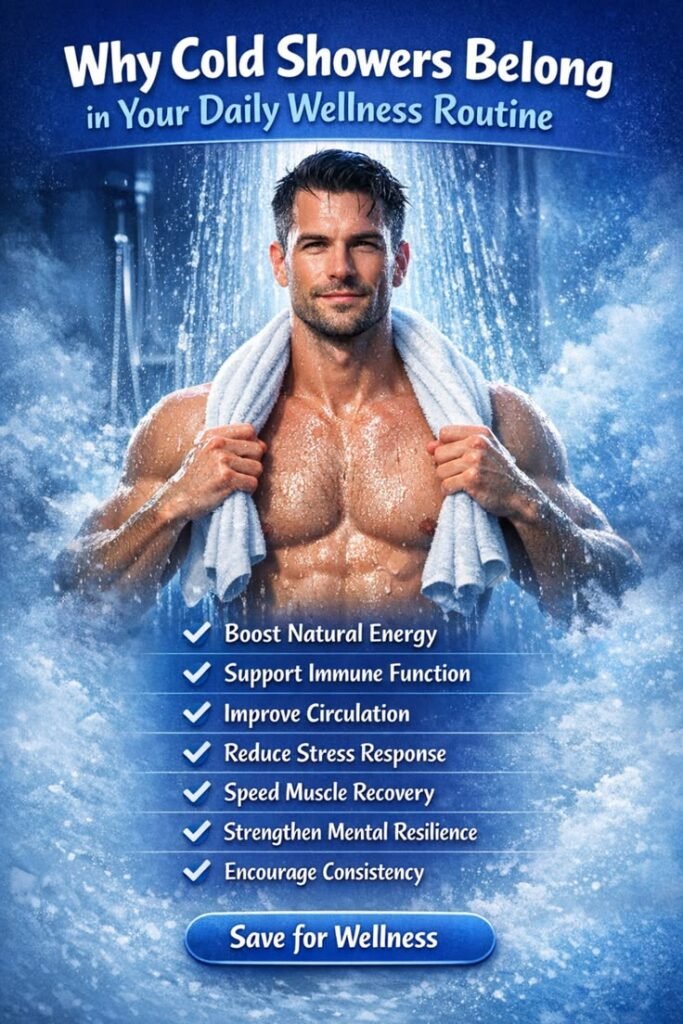
Understanding Cold Showers
Cold showers can be defined as showers in which the water temperature ranges typically from 50°F (10°C) to 68°F (20°C). This temperature range differentiates cold showers from warm or hot showers, which can vary generally between 100°F (37.8°C) to 120°F (48.9°C). While warm showers are often synonymous with relaxation and comfort, cold showers are associated with a range of physiological responses that may contribute to various health benefits.
Thank you for reading this post, don't forget to subscribe!When an individual is exposed to cold water, the body undergoes several immediate physiological changes. Firstly, cold water triggers a response known as the “cold shock response,” which includes an increase in heart rate and rapid gasping for breath. Additionally, cold exposure promotes vasoconstriction, which is the narrowing of blood vessels. This can lead to improved blood circulation once the body warms up again. Other physiological effects include heightened alertness, enhanced mood, and improved recovery rates after exercise.
The concept of cold water therapy has deeper roots in various cultural practices throughout history. Ancient civilizations, including the Greeks and Romans, recognized the benefits of cold water immersion and employed it as part of their routine for physical and mental well-being. In more recent times, cold showers have gained popularity in modern wellness trends, often promoted for their potential to boost immunity, improve skin health, and enhance overall mood. Furthermore, renowned figures such as Wim Hof have pioneered methods that emphasize the connection between cold exposure and mental resilience.
Understanding the historical context and physiological effects of cold showers is essential, not only to appreciate their potential benefits but also to prepare the body for the unique experience they provide. The immersion in cold water, once seen primarily as a rigorous regimen, is increasingly being adopted by individuals seeking natural ways to elevate their health and well-being.
Boosting Circulation and Cardiovascular Health
Cold showers have increasingly gained attention due to their potential benefits for circulation and cardiovascular health. When exposed to cold water, the body undergoes several physiological responses that can enhance blood circulation. This initial response includes vasoconstriction, where blood vessels narrow, directing blood flow towards vital organs. As the body acclimates to the cold, a subsequent phase known as vasodilation occurs, wherein the blood vessels expand, allowing for improved blood flow.
Research indicates that this alternating constriction and dilation can strengthen the cardiovascular system over time. A study published in the journal Physiological Reports suggested that regular exposure to cold water might lead to a more efficient heart rate response and could lower blood pressure. These outcomes are attributed to enhanced vascular function, which is crucial for overall cardiovascular health.
Moreover, cold showers have been linked to increased levels of norepinephrine, a hormone that plays a critical role in regulating blood pressure and enhancing circulation. Elevated norepinephrine levels not only improve mood and alertness but are also associated with better cardiovascular function. Additionally, cold exposure can stimulate the production of substances that improve endothelial function, which is vital for preventing conditions such as atherosclerosis.
It is important to note that while the benefits of cold showers are supported by emerging research, individuals with pre-existing cardiovascular conditions should consult a healthcare professional before incorporating such practices into their routine. Regular cold exposure can be beneficial for healthy individuals looking to boost circulation and enhance cardiovascular fitness. By adopting cold showers, one might not only invigorate the body but also take significant strides towards improving heart health.
Enhancing Mental Health and Mood
Cold showers have been linked to a variety of mental health benefits, particularly in their ability to reduce feelings of stress, anxiety, and depression. Research indicates that exposure to cold water initiates the release of endorphins, often referred to as “feel-good” hormones, within the brain. This biochemical response plays a crucial role in enhancing mood and creating a sense of well-being.
When individuals take a cold shower, their bodies react to the frigid temperature by increasing heart rate and circulation, resulting in improved oxygen consumption. As the body adjusts to the cold, it activates the sympathetic nervous system, leading to a heightened state of alertness. Consequently, this physiological response can nourish mental resilience, allowing individuals to better cope with everyday stressors.
Psychological studies emphasize that individuals who regularly engage in cold exposure report lower levels of anxiety and depressive symptoms. The sharp contrast of cold water triggers a flood of neurotransmitters, which can create a significant uplifting effect on one’s mood. Furthermore, the practice of regular cold showers may serve as a mental challenge, fostering a sense of accomplishment that contributes positively to self-esteem and confidence.
Moreover, the habitual practice of cold exposure can lead to improved emotional regulation. Individuals often learn to confront discomfort head-on, potentially transferring this resilience to other areas of life. As a result, the practice of taking cold showers may not only enhance mental clarity but can also act as a coping mechanism against anxiety-related challenges.
In essence, implementing cold showers into one’s daily routine may provide a straightforward yet effective method for boosting mental health and improving overall mood, marked by a series of positive physiological and psychological benefits.
Immune System Revival and Metabolism Boost
The impact of cold showers on the immune system has garnered attention within the scientific community. Cold exposure, notably through cold showers, has been shown to stimulate the production of white blood cells. These cells are pivotal for the body’s defense against infections and diseases. A study published in the Journal of Immunology revealed that individuals regularly exposed to cold temperatures had significantly higher levels of white blood cell count compared to those who were not. This increase is believed to be a stress response that activates the immune system, preparing the body to combat potential threats more effectively.
In conjunction with immune system enhancement, cold showers also play a vital role in boosting metabolism. When the body is exposed to cold water, it undergoes thermogenesis, a process in which it burns calories to maintain core temperature. Research indicates that this increased energy expenditure may contribute to weight loss and improved metabolic function. Specifically, a study in the journal Metabolism found that participants who engaged in regular cold exposure demonstrated a higher basal metabolic rate, which translates to more calories burned at rest.
Additionally, the surge in metabolic rate triggered by cold showers can lead to a longer-lasting effect, encouraging fat loss over time. The cold temperature forces the body to work harder to sustain warmth, thus raising the overall energy consumption. Moreover, this action potentially stimulates the activation of brown adipose tissue, also known as brown fat, which is responsible for burning energy to produce heat. This understanding of cold exposure’s effects on metabolism supports the view that cold showers can be an effective tool not just for enhancing immune function but also for facilitating weight management.

