
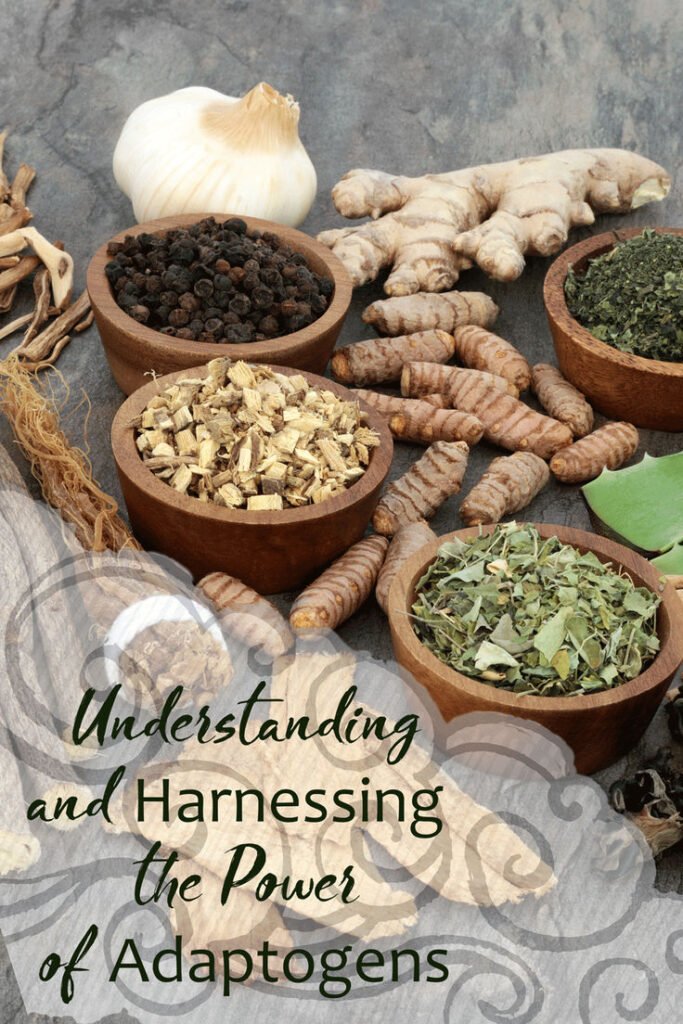
What Are Adaptogens?
Adaptogens are a unique class of natural substances that help the body adapt to stress, promoting a sense of balance and overall well-being. Originating from traditional medicine practices, particularly in Ayurveda and Traditional Chinese Medicine, these compounds have been utilized for centuries to enhance resilience against physical, emotional, and environmental stressors.
Thank you for reading this post, don't forget to subscribe!Historically, adaptogens were incorporated into herbal mixtures and remedies, with practitioners emphasizing their role in restoring homeostasis. This term refers to the body’s equilibrium, ensuring that its systems operate optimally. Modern studies on adaptogens have confirmed their potential to influence the body’s stress response, improve mood, and enhance physical endurance.
Adaptogens can be classified into different categories based on the specific herbs or fungi they derive from and their effects on the body. Prominent examples include Ashwagandha, Rhodiola Rosea, Ginseng, and Holy Basil, each known for distinct properties that support stress management and mental clarity. These natural agents operate primarily by modulating the hypothalamic-pituitary-adrenal (HPA) axis, which controls stress hormones such as cortisol.
The health benefits associated with adaptogens are numerous, as they not only aid in stress relief but may also enhance cognitive function, boost the immune system, and promote emotional well-being. In recent years, their popularity has surged within the health and wellness culture, driven by a growing interest in holistic approaches and natural supplements. Many individuals seek out adaptogens as part of their daily health regimen, leading them to explore various forms such as powders, capsules, or teas.
The Most Popular Adaptogens and Their Benefits
Adaptogens have garnered significant attention for their potential to enhance the body’s response to stress and improve overall well-being. Among the most commonly used adaptogens, Ashwagandha, Rhodiola Rosea, and Holy Basil stand out.
Ashwagandha is perhaps the most well-researched adaptogen, often used to reduce stress and anxiety. Studies suggest that Ashwagandha may help lower cortisol levels, which can be beneficial in managing stress-related conditions. Additionally, it has been noted for its potential to enhance cognitive function and improve sleep quality, making it a versatile choice for those seeking both mental and emotional support.
Rhodiola Rosea, known for its energizing properties, is another popular adaptogen. This herb is often recommended to combat fatigue and improve stamina, making it a favored option among athletes and those with demanding lifestyles. Research indicates that Rhodiola may help improve mood and cognitive performance, particularly under stressful conditions, supporting overall mental clarity and focus.
Holy Basil, or Tulsi, holds a prominent place in traditional Ayurvedic medicine. This adaptogen is revered for its ability to promote emotional balance and resilience against stress. It is thought to possess antioxidant properties and may assist in enhancing immune function, thus providing holistic support for both mental and physical health.
Other notable adaptogens include Schisandra, known for its potential liver health benefits, and Eleuthero, which may help enhance endurance and immunity. Additionally, Macaa is recognized for its ability to boost energy and libido. While the benefits of these adaptogens vary, they reflect the diverse applications available for individuals seeking natural ways to improve their health and resilience against stressors.
Evaluating Adaptogen Quality and Effectiveness
When considering the purchase of adaptogen products, it is crucial to evaluate their quality and effectiveness rigorously. One of the first aspects to consider is the sourcing of the raw materials. High-quality adaptogens are often derived from organically grown plants, cultivated in their natural environments. It is advisable to seek products that specify their origin, as the environmental conditions such as soil quality and climate can significantly affect the potency of the adaptogens.
The extraction method used to process these herbs is another critical factor. Traditional methods, such as water or alcohol extraction, tend to retain more of the beneficial compounds compared to synthetic methods. This is particularly important for ensuring that the adaptogen still possesses its medicinal properties after extraction. Brands that transparently share their extraction processes are often more trustworthy, as they demonstrate a commitment to maintaining the quality of their products.
Additionally, third-party testing has become a vital benchmark for adaptogen quality assurance. Reputable brands invest in independent lab testing to verify the potency and purity of their products. This testing can confirm that the adaptogens contain the stated levels of active ingredients and are free of contaminants such as heavy metals or pesticides. When examining product labels, consumers should look for certifications that indicate third-party testing has been conducted.
Finally, consumers should familiarize themselves with the characteristics of trustworthy brands. This includes reading reviews, checking for industry certifications, and evaluating how transparent the company is about their ingredients and sourcing practices. Misleading products may use vague terminology or lack clear labeling. By paying attention to these details, consumers can make informed decisions about which adaptogens are worth their investment, leading to better health outcomes.
Are Adaptogens Worth the Investment?
As the wellness community focuses increasingly on natural health solutions, adaptogens have emerged as a popular topic of discussion. These herbal supplements, believed to help the body resist stressors, have captivated many. However, the question remains: are they worth the investment? Understanding the cost versus benefits of adaptogens is essential before including them in one’s daily routine.
The financial commitment to adaptogens varies considerably depending on the type, brand, and form—be it powder, capsule, or tincture. On average, a high-quality adaptogen supplement can cost between $20 to $60 per month. Yet, it is crucial to evaluate the potential benefits against this cost. Users often report improvements in energy, stress management, and cognitive function, all of which can enhance overall well-being and productivity.
However, the response to adaptogens is highly individualistic. While some individuals experience noticeable benefits, others may not perceive significant changes. In certain cases, adaptogens can cause side effects, such as digestive discomfort or headaches. Therefore, personal experimentation is vital. It is advisable for individuals to start with small doses and gradually increase them while monitoring their body’s reactions for both positive and negative changes.
Various studies and testimonials substantiate the claimed benefits of adaptogens. Research has shown that ashwagandha, for instance, can effectively lower cortisol levels, thus mitigating chronic stress. Additionally, a survey among users revealed that a significant percentage felt an enhancement in mental clarity and resilience after incorporating adaptogens into their regimen. Although personal results can vary, many find adaptogens a valuable investment in their health.
Ultimately, the decision to include adaptogens should be based on individual health goals and experiences. As with any supplement, thorough research and consultation with a healthcare provider are advisable to ensure compatibility with personal health plans.

