
Understanding the Concept of a Social Circle
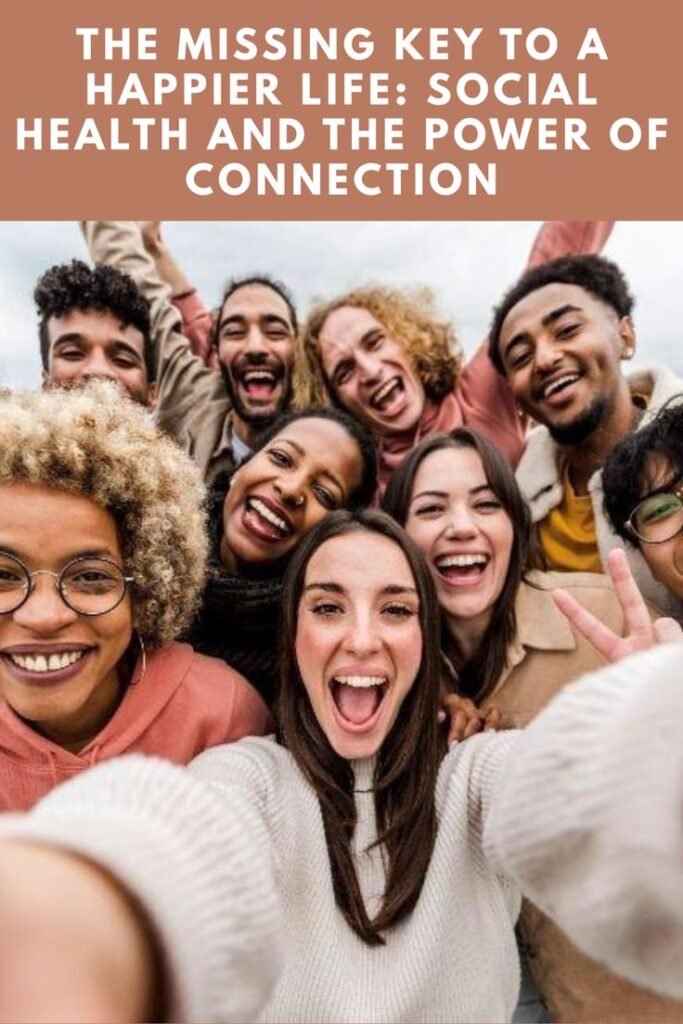
A social circle refers to the network of individuals that an individual interacts with regularly, impacting their emotional and psychological well-being. It encompasses a range of relationships, from intimate connections with family and close friends to acquaintances and broader social networks. This differs from more casual social groups, where interactions may be less frequent or meaningful. In essence, a social circle is built on deeper connections that contribute significantly to one’s sense of belonging and support.
Thank you for reading this post, don't forget to subscribe!The components of a strong social circle can typically be divided into several layers. The innermost layer comprises close friends and immediate family members, who provide consistent emotional support and companionship. They are often the ones who offer help during times of crisis and celebrate milestones alongside the individual. The next tier may include more distant friends, colleagues, and community members who engage regularly and provide additional social interaction. These broader connections contribute to the richness of life by introducing diverse perspectives and experiences.
Healthy relationships within a social circle are characterized by mutual respect, trust, open communication, and empathy. When these qualities are present, individuals are more likely to experience positive interactions that reinforce feelings of safety and belonging. Conversely, relationships lacking these qualities can lead to stress, isolation, and even detrimental mental health outcomes. Hence, the significance of nurturing a strong social circle cannot be overstated, as it serves as a protective factor against loneliness and fosters resilience in facing life’s challenges.
The Psychological and Emotional Benefits of Social Connections
Strong social connections play a pivotal role in enhancing our psychological and emotional well-being. Research has consistently shown that individuals with robust social ties tend to experience lower levels of stress, heightened happiness, and an overall increase in mental resilience. For example, a study published in the Journal of Health and Social Behavior highlights the correlation between supportive relationships and a decrease in anxiety and depression, showcasing the significant impact social connections can have on emotional health.
Moreover, it is widely recognized that during challenging life events, social support serves as a critical buffer against negative psychological outcomes. Friends, family, and community members provide essential emotional assistance and tangible resources, which collectively aid in coping strategies. This support can manifest in various ways, including offering empathy, sharing advice, or providing practical help, all of which bolster an individual’s ability to navigate difficulties effectively.
The consequences of loneliness and social isolation are particularly alarming, as studies indicate that a lack of social interaction can lead to adverse psychological outcomes, including increased feelings of sadness and anxiety. A report from the National Institute on Aging establishes that loneliness is intricately linked to cognitive decline and mental health disorders. Thus, fostering and maintaining social relationships is not merely a luxury but a fundamental aspect of emotional well-being.
In summary, the psychological benefits of social connections are profound, influencing our emotional health and resilience. By prioritizing and nurturing these relationships, individuals can significantly enhance their quality of life, mitigate stress, and develop stronger coping mechanisms during life’s inevitable challenges. To this end, creating a supportive network is vital for emotional stability and overall health.
Physical Health Benefits Linked to Strong Social Ties
The complex interplay between social connections and physical health has been a subject of interest for researchers for many years. Studies consistently reveal that individuals with robust social networks tend to enjoy better physical health outcomes compared to those who experience social isolation. One of the most notable benefits of maintaining a strong social circle is its positive impact on the immune system. Research has indicated that social interactions contribute to enhanced immune function, allowing individuals to more effectively fend off illnesses and infections.
Moreover, there is significant evidence showcasing that strong social ties are associated with lower blood pressure levels. Those who engage regularly with friends and family tend to experience a reduction in stress-related hormones, which is instrumental in maintaining blood pressure within a normal range. The psychological support offered by friends and loved ones plays a vital role in mitigating stress and its physiological effects, further fostering overall cardiovascular health.
The correlation between social engagement and longevity cannot be overstated. Research findings suggest that individuals who nurture their relationships and commit to regular social activities are likely to experience a longer lifespan. The mechanisms behind this phenomenon are complex but can include improved mental health, lower rates of depression, and a greater sense of purpose and belonging—each of which significantly contributes to one’s overall physical well-being.
In essence, forging and sustaining strong social ties can enhance not only mental but also physical health. Increased longevity, robust immune function, and stable blood pressure levels are just some of the tangible benefits associated with having a strong social circle. Recognizing and actively nurturing these connections can lead to substantial improvements in health outcomes and overall quality of life.
Strategies for Building and Maintaining a Robust Social Circle
Building and maintaining a strong social circle is essential for emotional well-being and can significantly enhance one’s quality of life. To cultivate meaningful relationships, individuals should consider several effective strategies.
Firstly, actively participating in community events can be an excellent way to meet new people. Joining local clubs, volunteering for causes you care about, or attending social gatherings can introduce you to like-minded individuals. These settings provide natural opportunities to connect and initiate friendships. Emphasizing shared interests often leads to deeper connections and mutual support.
Secondly, focusing on nurturing existing relationships is equally important. Regular communication is key; make it a habit to reach out to friends through phone calls, messages, or even casual meet-ups. Expressing genuine interest in their lives, celebrating milestones, and offering support during challenging times can strengthen bonds. Friends who feel valued are more likely to reciprocate and contribute to a lasting relationship.
Overcoming barriers to social interaction is essential for fostering a robust social circle. Individuals may sometimes face anxiety or fear of rejection when trying to meet new people. Practicing mindfulness and building self-confidence through smaller interactions can alleviate these feelings. Taking incremental steps, such as initiating brief conversations, can gradually expand one’s comfort zone.
Moreover, proactive communication plays a vital role in maintaining relationships. Make a conscious effort to stay in touch and engage with friends regularly. Utilize various platforms, such as social media or group activities, to enhance interaction and keep the connection alive.
In conclusion, strategic efforts in building and maintaining a social circle can lead to rewarding friendships and enhanced emotional health, creating a dynamic support network that enriches daily living.

