
Understanding Unhealthy Habits
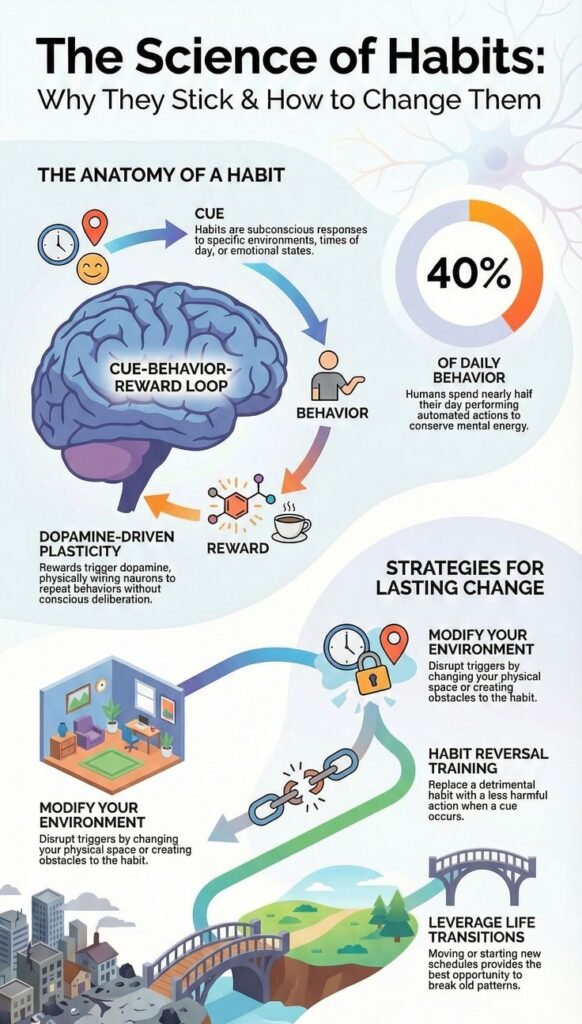
Unhealthy habits are often the result of a complex interaction between psychological and environmental factors. These factors play a critical role in how habits develop and become entrenched in our daily lives. Behavioral science emphasizes the significance of cues and rewards in the formation of habits. Cues are stimuli that trigger a particular behavior, while rewards are the positive outcomes that reinforce the behavior, making it more likely to recur in the future.
Thank you for reading this post, don't forget to subscribe!For instance, an individual may develop a habit of snacking while watching television. The act of watching television serves as a cue that prompts the behavior of reaching for unhealthy snacks. The immediate gratification of tasting the snacks acts as a reward, solidifying the connection between the cue and the behavior.
Routine plays a fundamental role in habit formation as well. When regular actions become automated, individuals may find it difficult to recognize the detrimental impact these routines may have on their health. This automation leads to behaviors being performed with little or no conscious thought, thus making the intervention or modification of these actions challenging.
Moreover, emotional triggers and stress can significantly influence our choices and behaviors related to unhealthy habits. Stressful situations often lead individuals to seek comfort through familiar behaviors, such as overeating or procrastination, further entrenching these habits. Social influences can exacerbate the situation; surrounding oneself with individuals who engage in unhealthy behaviors can normalize and perpetuate these actions.
Awareness of these psychological and environmental factors is essential to understanding why breaking away from unhealthy habits is difficult. By understanding how cues, rewards, and routines intertwine, individuals can start to identify specific patterns in their behavior, setting the groundwork for making positive changes.
Strategies for Breaking Unhealthy Habits
Breaking unhealthy habits can be a challenging journey, but applying principles from behavioral science can simplify the process. One effective strategy is habit stacking, which involves pairing a new, desirable behavior with an existing habit. For example, someone who wants to develop a regular exercise routine can do so by stacking it onto a daily activity, such as brushing their teeth in the morning. By coupling the new behavior with a well-established routine, the chances of success in sustaining the new habit significantly increase.
Another critical factor in breaking unhealthy habits is the identification of triggers that lead to unwanted behaviors. Understanding what prompts a habit—be it stress, boredom, or environmental cues—allows individuals to develop strategies to avoid or cope with these triggers. Maintaining a journal can be beneficial for tracking these triggers and developing insights into patterns of behavior. Once triggers are identified, reinforcing positive behaviors in response can create a healthier lifestyle.
Setting clear intentions is also paramount in the journey of behavior change. This involves crafting specific, measurable, achievable, relevant, and time-bound (SMART) goals. Instead of vague resolutions like “I want to eat healthier,” individuals can state, “I will eat two servings of vegetables at dinner every day this week.” This specificity not only clarifies the desired outcome but also enhances motivation and accountability.
Creating an environment that supports positive behavior changes is essential. This can mean removing unhealthy snacks from the home and substituting them with healthier options readily available. Additionally, leveraging technology, such as fitness apps or health-related reminders, can keep individuals accountable to their goals. Joining support groups or enlisting the help of friends or family can also significantly boost motivation, creating a robust system of support to help maintain new behaviors.
The Role of Mindfulness and Self-Compassion
In the process of breaking unhealthy habits, mindfulness and self-compassion play crucial roles. Mindfulness, the practice of being fully present and aware of one’s thoughts and feelings, enables individuals to recognize automatic behaviors that contribute to unhealthy choices. By cultivating an awareness of these behaviors, one can begin to understand triggers and patterns, creating space for healthier decisions. This introspection is vital; it encourages individuals to pause before acting on impulses driven by ingrained habits.
Practicing mindfulness can be initiated through various techniques, such as meditation, deep breathing exercises, or mindful eating. For example, during meals, taking the time to savor each bite allows individuals to appreciate the food they are consuming, serving as a powerful reminder of the positive choices aligned with their health goals. Additionally, setting aside moments throughout the day for short mindfulness breaks can help reinforce this awareness, enabling individuals to reevaluate their behaviors and develop healthier alternatives.
Equally important is the role of self-compassion in overcoming unhealthy habits. Many people experience guilt and frustration when attempting to change their behaviors, which can lead to self-sabotage. Practicing self-compassion involves treating oneself with the same kindness and understanding one would offer to a friend in similar circumstances. By acknowledging that it is normal to struggle during the habit-breaking process, individuals can mitigate negative feelings and create a more supportive internal environment.
Incorporating self-compassion into daily routines can be achieved through affirmations, journaling, or simply taking a moment to reflect on one’s efforts. Recognizing that setbacks are part of the journey fosters resilience and encourages continual progress in breaking unhealthy habits. Thus, by nurturing mindfulness and self-compassion, individuals can successfully navigate the challenges of changing their habits, ultimately leading to a healthier lifestyle.
Maintaining Progress and Preventing Relapse
Breaking unhealthy habits is a commendable journey, but one must remain vigilant to sustain progress and prevent relapse. A crucial element in this process is the development of resilience. Resilience enables individuals to recover from setbacks and maintain their commitment to healthier choices. It is beneficial to recognize that setbacks can occur and to view them as learning opportunities rather than failures. This shift in perspective can help reinforce motivation and resolve to continue the journey toward healthier living.
Celebrating small victories along the way is another effective strategy for maintaining progress. Acknowledging milestones—no matter how minor—can boost self-esteem and motivation. For example, if someone has successfully refrained from a particular unhealthy habit for a week, treating oneself to a favorite activity or a special meal can foster a sense of achievement. Such positive reinforcement can solidify one’s commitment and encourage further adherence to beneficial behaviors.
Adaptability is equally important in preventing relapse. As circumstances change, individuals may find that their strategies need to be revised. Developing a flexible approach to coping with challenges is essential for sustaining long-term change. This might involve trying new strategies or seeking support when faced with difficult situations. Having a support system can significantly enhance one’s ability to maintain progress. Engaging with friends, family, or support groups provides encouragement and accountability, creating an environment that fosters healthy behaviors.
Ongoing reflection is vital in this process as well. Regularly assessing one’s thoughts and feelings about the journey can illuminate potential triggers for relapse. Understanding that relapse can be a part of the change process helps to reduce anxiety around it. By staying motivated and committed, individuals can navigate their journey toward sustained well-being and growth.

