
Understanding the Importance of Pre-Workout Nutrition
Pre-workout nutrition plays a crucial role in enhancing performance during exercise. Consuming the right foods before engaging in physical activity can provide the body with the necessary fuel, enabling individuals to perform at their best. This fuel primarily comes from macronutrients, specifically carbohydrates and protein, which should be strategically included in the meal prior to the workout.
Thank you for reading this post, don't forget to subscribe!Carbohydrates are the body’s primary source of energy. Including complex carbohydrates in a pre-workout meal can help maintain blood glucose levels and provide sustained energy throughout the workout. Foods such as oats, whole grains, and fruits are excellent sources of carbohydrates that release energy gradually, preventing energy dips that can hinder performance. It is generally advisable to consume these carbohydrates about 30 to 60 minutes before a workout to allow for digestion, maximizing their energy-boosting potential.
Protein also plays a vital role in pre-workout nutrition, particularly for those looking to build or maintain muscle mass. Including a moderate amount of protein can help preserve muscle integrity during intensive workouts and support recovery afterward. Options such as Greek yogurt, lean chicken, or protein shakes can contribute to this need. Aiming for about 15 to 25 grams of protein 30 minutes to 2 hours before a workout can optimize muscle performance and recovery.
Ultimately, achieving an effective pre-workout nutrition strategy involves balancing carbohydrates and protein while considering individual preferences and tolerance. Each person may respond differently to various foods, so experimentation can help identify the most beneficial combinations. By focusing on quality pre-workout nutrition, individuals can enhance their physical performance and achieve their fitness goals more effectively.
Top Pre-Workout Foods for Energy and Endurance
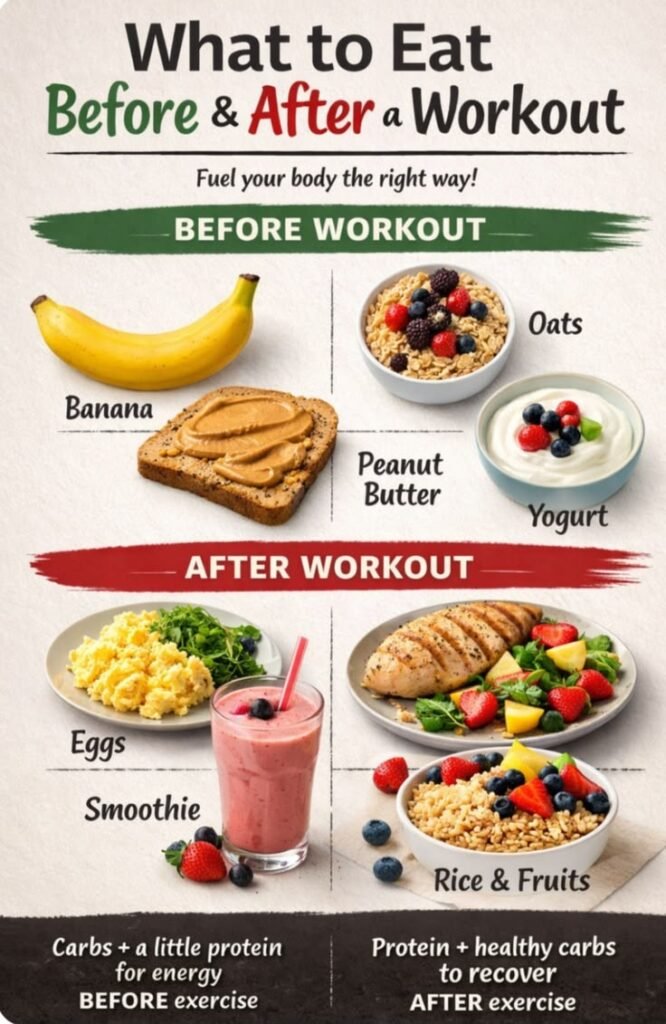
When preparing for a workout, consuming the right foods can significantly impact your performance and endurance. Among the most effective options is the humble banana, a fruit renowned for its high carbohydrate content and natural sugars. Bananas provide a quick and easily digestible source of energy, making them an ideal choice for pre-workout nutrition. Additionally, they are rich in potassium, an essential mineral that helps prevent muscle cramps during exercise.
Another excellent pre-workout option is oatmeal. This whole grain food is high in complex carbohydrates, which offer sustained energy release over time. The fiber content in oatmeal contributes to better digestion and promotes feelings of fullness, preventing mid-workout hunger. Moreover, oatmeal contains a range of vitamins and minerals, including B vitamins that play a vital role in converting food into energy.
Greek yogurt serves as a fantastic pre-workout snack as well. This dairy product is packed with protein, which not only aids in muscle recovery but also plays a role in energy metabolism. Greek yogurt is also a good source of calcium and probiotics, supporting overall digestive health. When paired with fruits, nuts, or honey, it makes for a balanced pre-workout meal that combines protein with carbohydrates for enhanced energy levels.
Other commendable options include whole-grain toast topped with nut butter, smoothies made from fruits and greens, and energy bars containing natural ingredients. These foods can also contribute to improved endurance and stamina during workouts. When selecting pre-workout food, it is essential to focus on nutrient-dense options that support optimal energy levels, ultimately enhancing performance while exercising.
Post-Workout Nutrition: Why It Matters
Post-workout nutrition plays a critical role in maximizing recovery and optimizing performance in subsequent training sessions. During exercise, particularly high-intensity workouts, the body undergoes various physiological changes that necessitate careful attention to dietary intake after the session concludes. One of the primary objectives of post-workout nutrition is to facilitate muscle recovery and growth.
When you engage in physical activity, the muscles experience micro-tears that need to be repaired. Consuming protein shortly after a workout provides the building blocks (amino acids) necessary for muscle repair and hypertrophy. Studies suggest that a post-workout protein intake of approximately 20-30 grams aids in muscle recovery and synthesis. Additionally, protein-rich foods can help alleviate muscle soreness and reduce recovery time, allowing individuals to train more effectively in the following sessions.
Beyond protein, replenishing glycogen stores is essential. Glycogen is the primary fuel source during prolonged exercise, and depleting these stores can lead to fatigue. Carbohydrates should be incorporated into post-workout meals to restore glycogen levels effectively. Consuming a combination of carbohydrates and protein—ideally within 30 to 60 minutes post-exercise—ensures that the body can quickly absorb the nutrients necessary for recovery and performance.
The timing of post-workout meals is crucial. Consuming nutrients progressively after exercise helps initiate the recovery processes more efficiently. A study published in the Journal of Sports Science recommends consuming a post-workout snack that combines carbs and proteins to capitalize on the body’s heightened insulin sensitivity right after exercising. Neglecting to address nutritional needs can impair muscle recovery and overall workout effectiveness.
Best Foods to Eat After a Workout for Recovery
Post-workout nutrition plays a crucial role in muscle recovery and overall health. It is essential to focus on consuming foods that provide both protein and carbohydrates to aid recovery. The right nutrients are vital for repairing muscle fibers that have been stressed during exercise, and they also replenish energy stores depleted during physical activity.
Among the top protein sources to consider, chicken stands out due to its high protein content, which assists muscle repair. A 3.5-ounce serving of grilled chicken can provide approximately 31 grams of protein, making it an excellent option for those looking to recover effectively post-exercise. Another beneficial source is fish, particularly fatty varieties like salmon. Packed with omega-3 fatty acids, salmon not only supports protein synthesis but also helps reduce muscle soreness due to its anti-inflammatory properties.
For individuals exploring plant-based alternatives, legumes, such as lentils and chickpeas, offer significant protein while being rich in carbohydrates as well. This makes them an excellent choice for those preferring vegetarian or vegan diets. Tofu is another versatile option that can be prepared in various ways and includes both protein and essential amino acids necessary for recovery.
Carbohydrates are equally important after a workout, as they replenish glycogen stores depleted during physical activity. Sweet potatoes are a nutrient-dense option that provides complex carbohydrates and is rich in vitamins and minerals. Whole grain options, such as quinoa or brown rice, are also beneficial, providing sustained energy along with fiber, which aids in digestion.
Incorporating a combination of these foods after a workout can significantly enhance recovery, making them essential staples in a post-exercise nutrition plan. By focusing on protein sources like chicken, fish, and plant-based alternatives, along with carbohydrate-rich foods such as sweet potatoes and whole grains, individuals are likely to experience better muscle repair and improved performance in future workouts.