
Understanding the Concept of a Balanced Plate
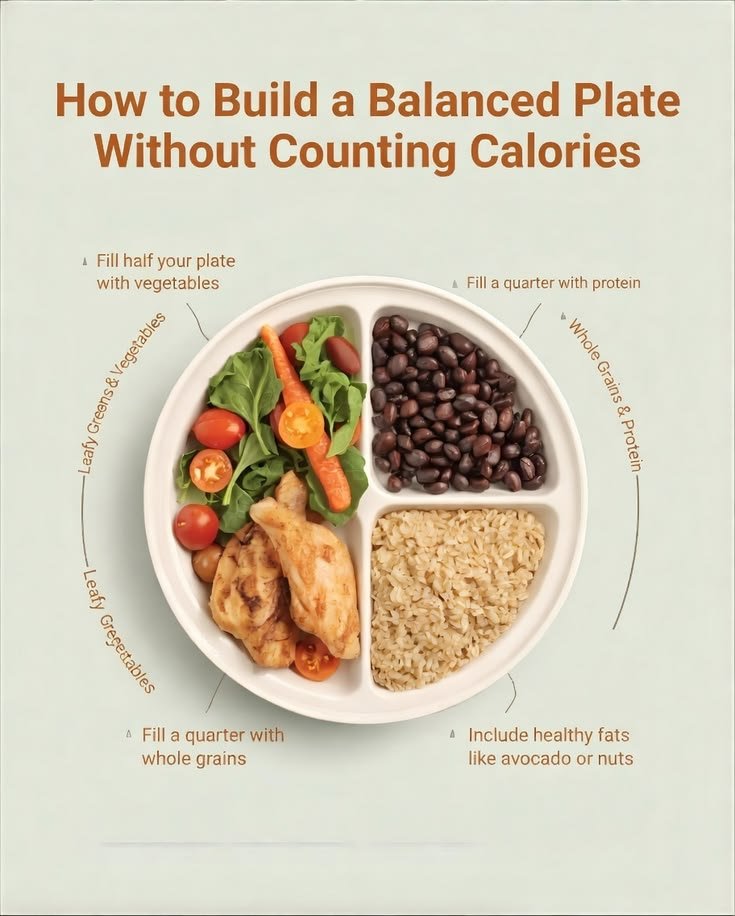
A balanced plate is a fundamental concept in healthy eating that emphasizes the importance of including a variety of food groups at each meal. This approach not only promotes overall health and well-being but also reduces the need to obsess over calorie counting. At its core, a balanced plate comprises five essential food groups: fruits, vegetables, whole grains, protein, and healthy fats.
Thank you for reading this post, don't forget to subscribe!Incorporating a range of fruits and vegetables is crucial, as they supply vital vitamins, minerals, and antioxidants necessary for maintaining optimal health. A general guideline suggests filling half of your plate with colorful fruits and vegetables. This variety ensures that you’re not only receiving an array of nutrients but also enjoying different textures and flavors in your meals.
Whole grains should make up about a quarter of your plate. Foods like brown rice, quinoa, and whole-grain bread provide fiber, which aids digestion and promotes a feeling of fullness. Alongside whole grains, a substantial portion of protein is vital for building and repairing tissues, and sources may include legumes, lean meats, fish, or plant-based proteins like tofu and tempeh.
Lastly, including healthy fats is integral to creating a balanced plate. Avocados, nuts, seeds, and olive oil are excellent sources of healthy fats that support heart health and help to absorb fat-soluble vitamins. It is also essential to be mindful of portion sizes when constructing a balanced plate. Serving sizes can vary based on individual dietary needs, activity levels, and health goals.
By understanding the concept of a balanced plate, individuals can create meals that are not only nutritionally adequate but also enjoyable and fulfilling, without the need to count calories meticulously. Emphasizing variety and moderation allows for a sustainable approach to healthy eating.
The Five Essential Food Groups for a Balanced Meal
Creating a balanced meal involves understanding the five essential food groups that contribute to a nutritious diet. These groups include fruits, vegetables, grains, protein, and dairy (or dairy alternatives). Each group plays a unique role in providing essential nutrients necessary for maintaining health and well-being.
Fruits are a vital part of a balanced plate. They provide essential vitamins, minerals, and antioxidants that can help reduce the risk of chronic diseases. Incorporating a variety of fruits, such as berries, oranges, bananas, and apples, ensures a broad spectrum of nutrients. One way to include fruits in daily meals is to add them to breakfast cereals, smoothies, or as a refreshing dessert.
Vegetables are equally important, rich in fiber, vitamins, and minerals. They support digestive health and help maintain a healthy weight. Aim for a colorful selection, including leafy greens, bell peppers, carrots, and broccoli. These can easily be added to salads, stir-fries, or served as sides to main dishes.
Grains, particularly whole grains, should comprise a significant part of your meals. Whole grains, such as brown rice, quinoa, and whole wheat bread, provide essential carbohydrates and fiber, aiding in energy provision and digestion. Replacing refined grains with whole grains is a simple way to enhance your diet.
Protein is crucial for muscle repair and growth. Options include lean meats, poultry, fish, beans, lentils, and tofu. Incorporating a variety of protein sources can help ensure that meals are satisfying and nutritious. Try adding legumes to salads or choosing fish as a protein source for dinner a few times a week.
Lastly, dairy or dairy alternatives are important for calcium and vitamin D intake. Consider incorporating yogurt, milk, or fortified plant-based alternatives into your meals. Using yogurt as a dressing or opting for a fortified plant milk can ensure that this food group is included.
Incorporating these food groups effortlessly into daily meals not only promotes a balanced diet but also enhances the overall nutritional profile, paving the way for a healthier lifestyle.
Practical Tips for Assembling Your Balanced Plate
Creating a balanced plate is a straightforward approach to ensure that your meals are nutritious without the need to meticulously count calories. One effective method is the ‘half-plate’ technique, where half of your plate is filled with a variety of fruits and vegetables. This not only enhances visual appeal but also increases fiber intake, vitamins, and essential minerals, contributing to an overall healthier diet.
In addition to the ‘half-plate’ method, considering portion sizes without specific measurements simplifies the assembly of your meal. For instance, you can use your hand as a guideline: a palm-sized portion is generally a good measure for protein sources, while a fist-sized amount can represent grains or starches. This intuitive method allows you to gauge servings quickly and helps mitigate anxiety often associated with precise calorie counting.
Incorporating a range of colors and textures on your plate is vital for promoting nutritional diversity. Each color generally represents different nutrients and antioxidants. For example, red peppers and carrots provide a wealth of vitamins A and C, while leafy greens are packed with iron and calcium. Aim for a vibrant selection, as this not only enriches your diet but also enhances the sensory experience of eating, making meals more enjoyable.
Moreover, consider the inclusion of healthy fats from sources like avocados, nuts, or olive oil. These fats can complement your meals by providing essential fatty acids needed for various bodily functions while also keeping you satiated. By employing these practical tips, assembling a balanced plate becomes a simple yet effective strategy to support overall health and wellness.
Mindful Eating: Building a Healthy Relationship with Food
Mindful eating is an approach that emphasizes awareness during meals, allowing individuals to cultivate a healthier relationship with food. This practice encourages individuals to engage all their senses when eating, thus facilitating more profound enjoyment of their meals and making thoughtful food choices. By establishing mindfulness, one can create a balanced plate effortlessly, without relegating their focus solely to counting calories.
One of the core components of mindful eating involves listening to one’s hunger cues. These cues can inform individuals about their body’s true nutritional needs, leading to better food choices. Rather than adhering strictly to scheduled meals or relying on emotional triggers for eating, individuals can learn to recognize signs of hunger and fullness. This approach fosters a natural balance in food consumption, promoting a more intuitive way of nourishing the body.
Savoring food is another integral aspect of mindful eating. Taking the time to appreciate the flavors, textures, and aromas of meals can enhance overall satisfaction. When individuals practice savoring, they often find that smaller portions can lead to a fulfilling dining experience. This not only aligns with the philosophy of building a balanced plate but also helps in reducing mindless snacking outside of meals.
Additionally, eliminating distractions during mealtime can improve the mindful eating experience. Engaging fully in the act of eating—whether by setting the table, lowering ambient noise, or refraining from screen time—enhances the awareness and appreciation of meals. By creating an environment conducive to mindful practices, individuals can cultivate a deeper connection with their food, encouraging healthier eating habits without the need for calorie counting.
Through mindfulness, one can achieve a more attuned understanding of their body’s needs, fostering a mutually beneficial relationship between the individual and their food. This connection ultimately supports the goal of constructing a balanced plate smoothly and thoughtfully.