
Understanding the Science of Aging
Aging is a complex biological process influenced by various factors, and understanding these factors is crucial for developing effective anti-aging strategies. Cellular aging, also known as senescence, plays a pivotal role in how we perceive age. As cells divide and regenerate over time, they accumulate damage from environmental factors such as UV radiation, pollution, and lifestyle choices. This cellular damage can ultimately lead to a decrease in function and vitality, making it a fundamental aspect of the aging process.
Thank you for reading this post, don't forget to subscribe!Another significant contributor to aging is oxidative stress. This phenomenon occurs when there is an imbalance between reactive oxygen species (ROS) and the body’s ability to neutralize them through antioxidants. The accumulation of ROS can lead to cellular damage, contributing to various signs of aging, including wrinkles, fine lines, and loss of skin elasticity. By integrating antioxidants into daily routines, individuals may help combat oxidative stress, thus promoting healthier skin.
Genetics also play a vital role in the aging process. Each individual has a unique genetic makeup that dictates how their body ages. Aspects such as skin elasticity, collagen production, and the body’s repair mechanisms are largely determined by genetic factors. However, while one’s genetic predisposition to aging cannot be altered, environmental influences and lifestyle choices can significantly modify how these genetic traits express themselves over time.
Multiple factors contribute to the visible signs of aging, which can include wrinkles, decreased skin elasticity, and uneven pigmentation. A consistent daily routine focused on skincare and overall health can greatly impact these biological processes. By understanding the science behind aging, individuals can better appreciate the importance of a regular regimen in mitigating its effects and maintaining a youthful appearance.
The Importance of Daily Routines
Establishing a daily routine is fundamental in promoting psychological stability and physiological health. Consistency in one’s daily activities can significantly reduce stress levels, enhance mental well-being, and improve overall health. When individuals engage in familiar patterns, it creates a sense of control and predictability in their lives, which can markedly decrease anxiety and promote calmness.
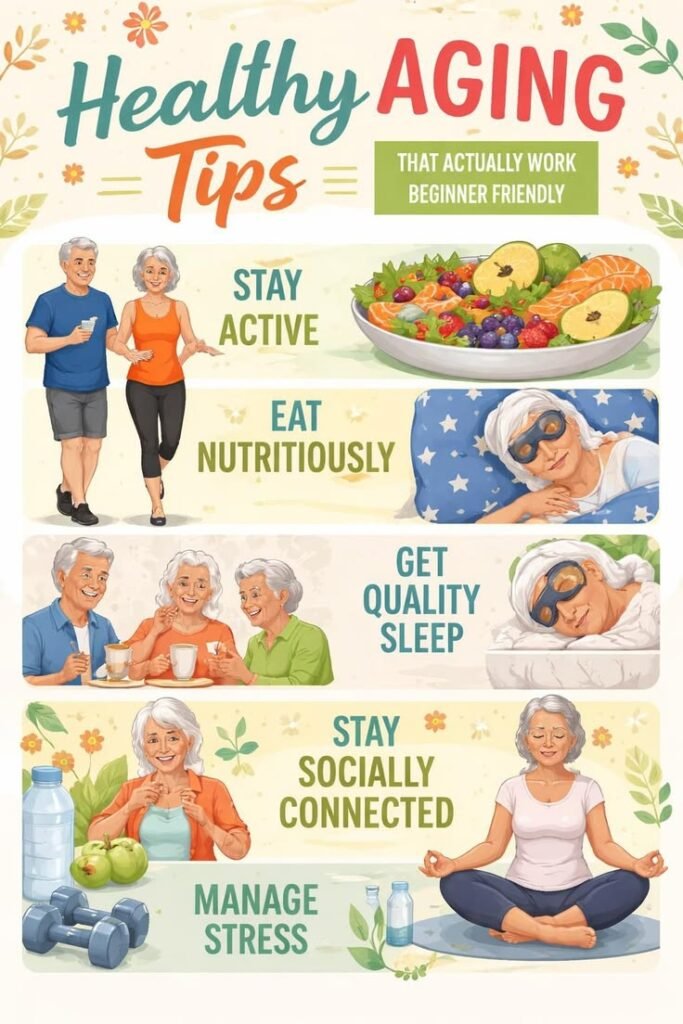
From a psychological perspective, daily routines help reinforce habits that contribute to an individual’s sense of purpose and direction. For instance, incorporating short bursts of physical activity into daily routines can not only help manage weight but also lead to improved mood and cognitive function. Activities such as morning stretches or regular walks provide the physical benefits that support anti-aging while also keeping mental fatigue at bay.
Moreover, the physiological benefits of having a structured routine go hand-in-hand with psychological stability. Consistency in meal times and sleep patterns can enhance metabolic processes and lead to better sleep quality. Quality sleep is crucial for physical and mental rejuvenation, allowing the body to repair itself more efficiently and combat the effects of aging.
Specific daily routines that can promote anti-aging include incorporating a skincare regimen, regular exercise, and mindfulness practices such as yoga or meditation. Such activities not only improve physical appearance but also foster emotional resilience and mental clarity. By dedicating time each day to these wellness practices, individuals can effectively bolster their defenses against the visible effects of aging.
In conclusion, a consistent daily routine is a powerful tool for enhancing mental health and overall well-being, which collectively contribute to anti-aging effects. As individuals integrate positive habits into their lives, they can experience a profound transformation in their approach to aging, empowering them to maintain vitality and well-being well into their later years.
Key Components of an Anti-Aging Routine
An effective anti-aging routine encompasses various components that work synergistically to slow down the visible signs of aging. Each element plays a pivotal role in maintaining skin health, promoting cellular regeneration, and enhancing overall well-being.
Skincare Practices: A well-rounded skincare regimen is foundational to an anti-aging strategy. Daily cleansing, moisturizing, and the application of sunscreen are crucial steps. Cleansing removes dirt and makeup, allowing the skin to breathe, while moisturizers keep the skin hydrated, minimizing the appearance of fine lines. Sunscreen protects against harmful UV radiation, which is a primary contributor to skin aging. Additionally, incorporating products with antioxidants, like Vitamin C and retinoids, can further promote skin health by combating oxidative stress.
Dietary Choices: Nutrition is another fundamental aspect of an anti-aging routine. A balanced diet rich in fruits, vegetables, whole grains, and healthy fats provides essential nutrients that support skin elasticity and luminosity. Foods high in antioxidants, such as berries and leafy greens, protect the skin from free radical damage. Omega-3 fatty acids found in fish and nuts are known to enhance skin barrier function and hydration. Staying mindful of food choices can significantly improve both skin appearance and overall health.
Exercise: Regular physical activity not only benefits cardiovascular health but also plays a key role in maintaining youthful skin. Exercise increases blood circulation, delivering oxygen and nutrients to skin cells. This process fosters a rejuvenating effect, assisting in the repair of damaged skin cells and promoting a vibrant complexion. Additionally, exercise helps in regulating stress, which can otherwise accelerate the aging process.
Hydration: Adequate water intake is essential for sustaining skin moisture levels. Dehydration can lead to dryness and make fine lines more noticeable. Drinking sufficient water daily aids in flushing out toxins from the body and supports optimal skin function, contributing to a plump and radiant appearance.
Sleep: Quality sleep is often overlooked yet is vital for a robust anti-aging routine. During sleep, the body undergoes repair and regeneration, producing important hormones that contribute to skin resilience and repair. Insufficient rest can result in elevated stress hormones, which negatively impact both skin health and vitality, making the skin appear older.
By integrating these key components into a daily routine, individuals can take proactive steps toward maintaining youthful skin and overall well-being as they navigate the aging process.
Creating Your Personalized Anti-Aging Routine
Designing a personalized anti-aging routine is essential for effectively addressing the signs of aging. Every individual possesses unique skin types, lifestyles, and preferences; therefore, tailoring a routine ensures optimal results and adheres to personal needs. Firstly, an assessment of skin type is crucial. Different skin types, such as oily, dry, or sensitive, respond to various products differently. A thorough understanding will help in selecting the right cleansers, moisturizers, and serums that cater specifically to your skin’s requirements.
Incorporating basic yet effective anti-aging elements is fundamental. A standard routine should consist of cleansing, toning, moisturizing, and sun protection. Cleansing in the morning and evening removes impurities and prepares the skin for subsequent products. Toning helps to balance the skin’s pH levels and can enhance hydration. The application of a high-quality moisturizer aids in maintaining skin elasticity and promotes a youthful appearance. Furthermore, daily sun protection is non-negotiable; UV rays are a primary contributor to premature aging, making it essential to protect the skin consistently.
Adaptability is pivotal in developing an effective anti-aging regimen. As skin changes with seasons or lifestyle variations—due to stress, diet, and environmental factors—modifying your routine accordingly can yield better results. For instance, during colder months, a richer moisturizer may be required, while lighter formulations may be preferable in summer. Regularly evaluating and altering your products based on emerging needs supports long-term skin health.
Lastly, remember that consistency is key. Implementing these steps daily fosters long-lasting benefits, promoting not just youthful skin but also instilling a sense of psychological well-being. Your personalized anti-aging routine should become a dedicated time for self-care that enhances both physical appearance and mental clarity, ultimately contributing to a more radiant you.

