
Understanding Dry Brushing
Dry brushing is a body care technique that involves the use of a natural bristle brush to exfoliate the skin, stimulate circulation, and promote lymphatic drainage. Typically performed on dry skin, this practice is believed to rejuvenate the epidermis and provide a host of benefits. The process requires selecting the right type of brush, usually made from natural materials such as sisal or boar bristles, which can vary in strength and texture to cater to personal preferences.
Thank you for reading this post, don't forget to subscribe!The technique of dry brushing typically starts from the feet and moves upward towards the heart, using firm yet gentle strokes. This direction is important as it aligns with the flow of the lymphatic system, encouraging detoxification and the natural elimination of toxins. It is recommended to keep the strokes light; excessive pressure can potentially irritate the skin. Additionally, it is advisable to dry brush at least a few times a week, preferably before bathing, to enhance the exfoliating effects.
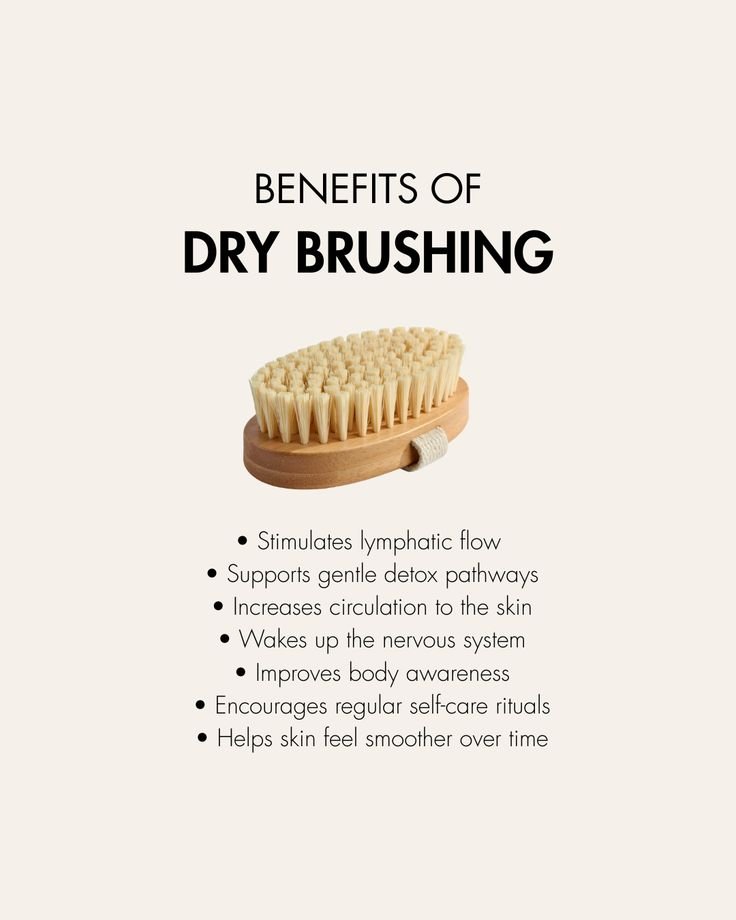
The benefits attributed to dry brushing are often highlighted in wellness circles. Advocates claim that it leads to improved skin texture through natural exfoliation, resulting in a radiant glow. Enhanced blood circulation is another key benefit, which may aid in delivering more nutrients and oxygen to skin cells, further supporting a healthy appearance. Furthermore, proponents assert that dry brushing supports lymphatic health by stimulating lymph flow, which plays a crucial role in the body’s immune function.
Historically, dry brushing has roots in various cultural practices, notably within traditional Chinese and Ayurvedic medicine. These ancient methodologies recognized the importance of body care rituals and often promoted techniques that encouraged skin vitality and overall well-being. Given its historical precedence, dry brushing continues to be embraced in modern beauty regimes, signaling a combination of tradition and contemporary self-care practices.
The Claimed Benefits of Dry Brushing
Dry brushing is a practice that has garnered considerable attention in recent years, with proponents claiming various health and aesthetic benefits. One of the most frequently cited advantages is detoxification. Advocates suggest that dry brushing promotes the elimination of toxins from the body through enhanced lymphatic flow. However, while lymphatic drainage is a pivotal bodily function, scientific research has not definitively proven that dry brushing significantly impacts detoxification processes. The lymphatic system naturally removes waste, and its effectiveness may not be augmented through external stimulation.
Another claimed benefit of dry brushing is the improvement of skin texture. This method is said to remove dead skin cells and promote the generation of new ones, leading to softer and more vibrant skin. While it is true that exfoliating the skin can result in a temporary enhancement in texture, it is essential to approach this practice with caution to avoid irritation or damage to sensitive skin. Dermatological experts recommend moderation in frequency and intensity to derive any potential benefits without adverse effects.
Moreover, proponents assert that dry brushing can reduce the appearance of cellulite. Cellulite is a common condition characterized by dimpled skin and affects a significant number of individuals. Some anecdotal evidence supports the notion that dry brushing may improve circulation and temporarily diminish the visibility of cellulite. However, scientific studies in this area are limited. More robust research is necessary to establish a clear connection between dry brushing and a permanent reduction in cellulite.
In summary, while dry brushing is associated with several claimed benefits, including detoxification, improved skin texture, and reduced cellulite, it is vital to distinguish between anecdotal claims and empirical evidence. Consulting with a dermatologist or healthcare professional may provide clearer insights into the validity and safety of incorporating dry brushing into a skincare routine.
How to Incorporate Dry Brushing into Your Routine
Dry brushing can seamlessly integrate into your skincare routine, enhancing skin health and vitality. To effectively incorporate this practice, it is crucial to choose the right time and technique. Ideally, dry brushing should be performed before showering, allowing for the removal of dead skin cells and improved circulation. Aim to brush your skin two to three times a week, according to your skin’s sensitivity and tolerance.
Begin by selecting an appropriate brush. Look for natural bristle brushes with a long handle for easy reach, particularly to areas like your back and legs. The bristles should be firm yet gentle, effectively stimulating the skin without causing irritation. There are many options available, such as handheld brushes or those specifically designed for dry brushing, which can be found in beauty stores or online.
To begin the brushing technique, start at your feet and work your way upward in long, sweeping motions. Brush towards your heart, as this promotes better lymphatic drainage and circulation. Focus on each area for around three to five strokes, applying mild pressure without causing discomfort. Remember to brush all main areas of your body, including your arms, torso, and legs. Avoid brushing sensitive areas, such as the face, and be cautious around any blemishes or cuts.
After dry brushing, it’s essential to hydrate your skin. Shower to remove the dead skin cells and apply a moisturizer or body oil afterward to lock in moisture and nourish your skin. This aftercare step is integral to the effectiveness of dry brushing, as it prevents dryness and enhances skin softness.
While dry brushing can be beneficial, individuals with certain skin conditions, such as eczema or psoriasis, should consult a healthcare professional before trying this technique. It is essential to listen to your body and adapt your routine according to your unique skincare needs.
Is Dry Brushing Worth the Hype?
In recent years, dry brushing has gained popularity as a self-care ritual touted for its numerous potential benefits, including enhanced circulation, exfoliation, and lymphatic drainage. Advocates of this practice emphasize its rejuvenating effects on both the skin and overall well-being. Those who have integrated dry brushing into their routines often report improvements in skin texture and tone, claiming it leaves the skin looking revitalized and feeling softer.
However, the scientific community remains cautiously optimistic, as the empirical evidence supporting these claims is limited. Although some studies suggest that increased blood flow from physical stimulation could improve skin health, definitive data correlating dry brushing with substantial long-term benefits is still lacking. Additionally, there are warnings about the potential for skin irritation, especially for individuals with sensitive skin conditions. Overzealous brushing may result in micro-tears, leading to discomfort or worse skin issues.
Personal anecdotes abound, with many users touting remarkable transformations; however, individual experiences may not universally translate to the general population. Professional endorsements highlight the potential benefits, but they are often tempered with caveats about proper technique and frequency. It is crucial to approach dry brushing with realistic expectations and an understanding of one’s skin type to avoid adverse effects.
Ultimately, whether dry brushing is worth its growing hype depends on personal preference and skin characteristics. Those interested should undoubtedly weigh the reported benefits against potential drawbacks, possibly starting with infrequent sessions to gauge skin response. Assessing whether this practice aligns with one’s self-care objectives will allow individuals to make informed decisions about incorporating dry brushing into their regimen.

