
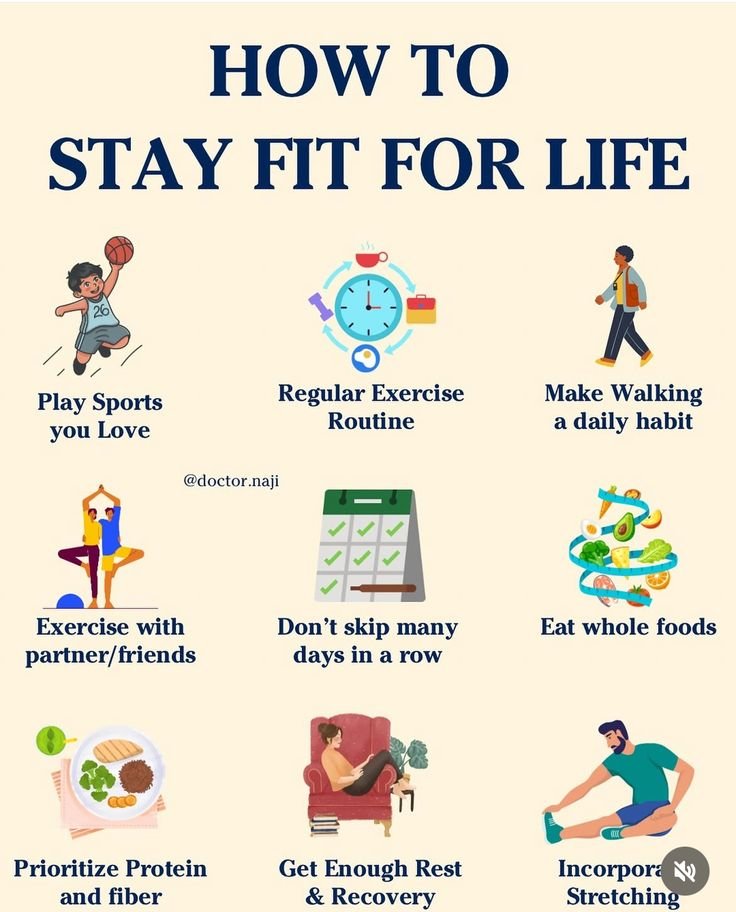
Understanding Movement vs. Exercise
The distinction between movement and exercise is vital for adopting a more active lifestyle. While exercise typically refers to structured workout routines performed with the intent to enhance fitness, movement encompasses all physical activity performed throughout the day. This broader interpretation of activity recognizes that our bodies are designed to move and that movement is integral to maintaining health and well-being.
Thank you for reading this post, don't forget to subscribe!Daily movements such as walking, household chores, gardening, or playing with children contribute significantly to our overall activity levels. For instance, walking around the house while tidying up, engaging in yard work, or even standing up frequently during work calls can cumulatively meet our physical activity needs. These ordinary tasks often go unrecognized as meaningful ways to stay active. Furthermore, incorporating playful movement with children not only benefits their physical health but also encourages adults to engage in spontaneous play, fostering a more active lifestyle.
Integrating movement into your daily life does not necessarily require a set time for formal exercise. Instead, it can be about making conscious choices that promote an active day. Choosing to take the stairs instead of the elevator, walking or cycling to local destinations, or scheduling walking meetings can elevate the level of physical activity without the rigidity of a strict exercise regimen. By redefining how we view physical activity, we can ensure that staying active becomes an integral part of our lifestyle.
In essence, a successful active lifestyle hinges on the understanding that every movement counts. Embracing this philosophy allows individuals to find joy and fulfillment in a variety of daily activities, ultimately leading to a healthier and more dynamic life.
Incorporating Active Habits into Daily Life
In today’s fast-paced world, leading an active lifestyle does not necessarily require a strict workout regimen. Instead, it can be seamlessly integrated into daily routines through simple habit adjustments. One effective approach is to opt for stairs rather than elevators or escalators whenever possible. This small change can contribute significantly to overall physical activity, promoting cardiovascular health and aiding in weight management.
Moreover, consider utilizing walking or biking for short errands. Rather than driving to the store or workplace for brief trips, walking or cycling can enhance your daily physical activity levels while also providing mental health benefits. This not only reduces reliance on automobiles but also fosters a more sustainable lifestyle.
Setting reminders to stretch or take breaks during periods of prolonged sitting is another practical strategy. Utilizing technology, such as setting alarms on your phone, can serve as prompts to stand up, stretch, or even walk around the office every hour. This helps mitigate the health risks associated with sedentary behavior, such as obesity and cardiovascular disease.
Participating in activities that naturally incorporate movement can also be beneficial. Options include gardening, playing with children, or engaging in household chores that require physical exertion. Even light activities, like standing while making phone calls or doing tasks while cooking, can cumulatively enhance your daily movement.
Ultimately, the key is to identify opportunities for increasing physical activity within the framework of your existing routine. These small, manageable changes, when combined over time, can result in a significantly more active lifestyle without necessitating the commitment to a formal workout schedule. Emphasizing consistency in these habits will support long-term health and well-being.
Engaging in Fun Activities that Promote Movement
Staying active does not always have to involve a rigorous workout plan; instead, it can be integrated into enjoyable daily activities that promote movement naturally. Engaging in recreational activities can infuse your routine with energy while keeping you physically active. One popular option is dancing, which not only provides cardiovascular benefits but also serves as a delightful way to express creativity. Whether in a dance class or at a social gathering, moving to the rhythm can be both invigorating and enjoyable.
Participating in team sports is another fantastic method to encourage movement while fostering camaraderie. Activities like soccer, basketball, or even casual games of volleyball can enhance physical fitness without the pressure of a formal workout. The social aspect of team sports often encourages individuals to return for more, as the competitive spirit combined with the joy of playing significantly boosts motivation.
For those who appreciate nature, hiking, and walking in local parks not only promotes cardiovascular health but also allows individuals to connect with their surroundings. The varying terrain can provide a stimulating experience, making the activity feel less like exercise and more like an adventure. Furthermore, gardening can be an unexpectedly effective way to incorporate physical movement into daily life. Digging, planting, and even weeding involve various movements that can enhance flexibility and strength.
In addition to these activities, involving family and friends can amplify motivation and turn movement into a shared experience. Organizing community events, taking a group hiking trip, or simply hosting a fun day outdoors can create an engaging atmosphere that encourages everyone to stay active together. By experimenting with diverse activities, individuals can discover what they find enjoyable, leading to a more active and fulfilling lifestyle.
Listening to Your Body and Setting Realistic Goals
Embarking on an active lifestyle does not necessitate a rigid workout regimen; rather, it involves aligning activities with personal needs and physical cues. It is essential to cultivate the habit of listening to your body. This practice not only helps individuals to recognize their limits but also enhances the understanding of what their bodies require to function optimally. Emotional and physical well-being is often influenced by the way one interacts with their health, and being attuned to these signals allows for better decision-making regarding fitness and activity levels.
When setting goals for an active lifestyle, flexibility is key. Rather than adhering to unyielding standards of physical activity, it is wise to establish realistic and achievable milestones that can evolve based on energy levels and daily circumstances. For instance, individuals can create goals that accommodate unexpected events or fatigue, such as implementing short, 10-minute bursts of movement throughout the day instead of a one-hour workout. This adaptable approach facilitates consistent activity while respecting the body’s responses.
Moreover, incorporating rest into your active routine is essential. Rest is frequently misconstrued as inactivity, but it plays a critical role in maintaining an active lifestyle. When individuals experience fatigue or soreness, allowing time for recovery can prevent burnout and injuries, ultimately promoting sustained engagement in physical activities. By recognizing the strength in moderation and the importance of rest days, individuals can foster a sustainable balance that integrates activity into their everyday lives without overwhelming themselves.
In summary, honoring your body’s needs and setting realistic goals are instrumental in cultivating a sustainable, active lifestyle. By remaining adaptable and kind to oneself, one can create a routine that not only emphasizes physical movement but also prioritizes overall well-being.

