
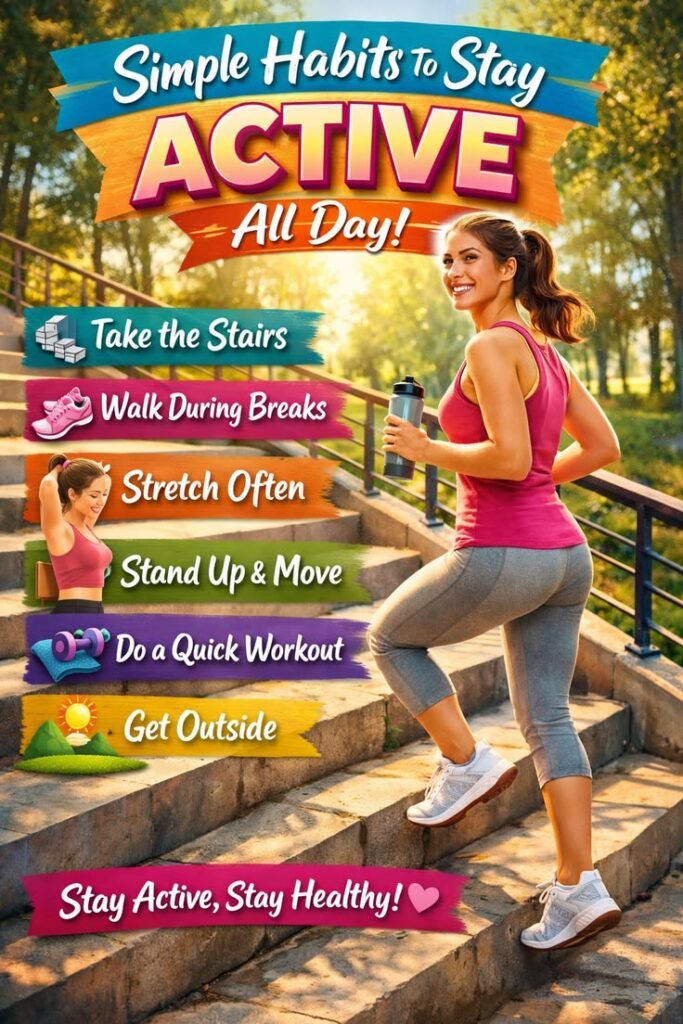
Understanding the Benefits of Staying Active
Staying active yields a multitude of health benefits that significantly enhance physical and mental well-being. Engaging in regular movement, whether structured or informal, plays an essential role in maintaining good health. Research shows that individuals who prioritize physical activity, even in short bouts, experience improved cardiovascular health, better weight management, and reduced risk of chronic diseases such as diabetes and hypertension.
Thank you for reading this post, don't forget to subscribe!Moreover, the advantages of remaining active extend beyond mere physical health. Studies indicate a strong correlation between regular movement and mental health improvements. Physical activity is known to release endorphins, the body’s natural mood lifters, which can alleviate stress, anxiety, and symptoms of depression. Thus, incorporating enjoyable activities like walking, biking, or dancing can lead to heightened mood and decreased feelings of lethargy.
Energy levels also see a significant boost when individuals stay active. Engaging in movement throughout the day increases blood flow and oxygenation, which can enhance energy and focus. According to a study from the Mayo Clinic, individuals who integrate moderate activity into their daily routines report higher energy levels compared to those who remain sedentary.
Furthermore, staying active helps in fostering social connections, particularly when participating in group activities or sports. Social interaction is crucial for mental health and can lead to increased happiness and community engagement. These social benefits reinforce the idea that staying active does not require adherence to a rigid workout plan; rather, it can be about integrating movement into daily life.
In conclusion, recognizing the diverse benefits of staying active is vital for cultivating a more active lifestyle. By appreciating the physical and mental health advantages, individuals may find motivation to prioritize movement in their lives, regardless of a structured exercise regimen.
Incorporating Movement into Daily Activities
In a fast-paced world, finding ways to stay active without adhering to a strict workout plan can be easily achieved through everyday activities. Simple changes in routine can significantly increase your physical activity levels and enhance your overall well-being.
One effective strategy is to opt for stairs instead of elevators or escalators whenever possible. This adjustment not only helps in strengthening your cardiovascular system but also tones the leg muscles. Parking further away from your destination can also encourage walking, turning mundane tasks into opportunities for physical activity.
Consider using active transportation methods such as walking or cycling for short trips instead of driving. This not only reduces carbon emissions but also integrates movement into your daily life naturally. Even running errands provides a chance to increase your activity levels. For instance, carrying groceries home can serve as a lightweight workout that engages various muscle groups.
Another opportunity lies within household chores. Activities such as vacuuming, gardening, or washing the car not only keep the home clean but can also elevate your heart rate and contribute to your daily movement goals. Setting a timer and aiming for short bursts of activity can turn chores into lively, engaging exercises.
Active living can also be enhanced by engaging in hobbies that require physical involvement, such as dancing, playing with children, or participating in community sports. These activities foster social connections while boosting your movement levels, proving that staying active does not require a strict workout regimen.
Ultimately, making movement a natural part of daily life encourages an active lifestyle. By implementing these simple yet effective strategies, individuals can contribute to their physical health without the pressure of following a rigorous workout plan.
Finding Fun Activities that Promote Movement
In today’s fast-paced world, staying active can sometimes feel like a daunting task, especially when burdened by traditional workout plans. However, engaging in enjoyable activities that promote movement can seamlessly integrate physical activity into daily life, transforming it into a pleasurable experience rather than a chore. Many options exist that encourage movement without the rigid structure of conventional exercise routines.
Dancing stands out as a particularly fun way to stay active. Whether joined by friends at a social gathering or taking a solo spin in the living room, dancing can elevate heart rates and improve cardiovascular fitness while allowing for self-expression. From salsa to hip-hop, the variety of dance styles means there is something for everyone, making it an excellent option for those looking to combine fun with fitness.
Gardening is another invigorating activity that might not immediately come to mind when considering how to promote movement. Tending to plants, digging, and planting can provide a full-body workout. Gardening not only lets individuals enjoy the great outdoors but also fosters mindfulness and a sense of accomplishment as they cultivate their garden.
Participating in sports can also be a fantastic way to stay active without adhering to rigid workout guidelines. Engaging in recreational sports like basketball, tennis, or soccer invites a social element to physical activity, providing enjoyment and fostering camaraderie among players. These sports can offer a balanced mix of competition and fun.
Additionally, hobbies that require physical exertion such as hiking, biking, or even playing with pets can encourage movement. By participating in these activities, individuals can promote a more active lifestyle without the pressure of a structured workout plan. Finding activities that resonate with personal interests is the key to making movement enjoyable.
Setting Personal Goals for an Active Lifestyle
Establishing personal goals is a cornerstone of maintaining an active lifestyle without adhering to a strict workout regimen. Successful goal-setting begins with identifying individual preferences and lifestyle factors. It is essential to create goals that resonate with personal interests, making the pursuit of physical activity enjoyable rather than a chore. For instance, someone who delights in nature may set a goal to hike once a week, while another individual may choose to engage in dance classes or pursue recreational sports.
Flexibility in goal-setting helps individuals adapt to life’s fluctuations. Rather than treating physical activity as a rigid requirement, consider it a fundamental aspect of well-being. Self-compassion is crucial when navigating the path to an active lifestyle. Understand that some days may be more challenging than others, and that is perfectly acceptable. By acknowledging personal limitations and allowing room for adjustments, individuals can maintain a sustainable approach to staying active.
To ensure progress and keep motivation high, it’s advantageous to track achievements in various ways. This could involve journaling about daily activities, using a fitness app, or simply recording moments of physical engagement throughout the day. Celebrating small wins, whether it is completing a new activity or merely sticking to a walking schedule, reinforces positive behavior and fosters a sense of accomplishment. Over time, these small victories can accumulate into significant changes, setting the foundation for a lifelong dedication to an active lifestyle.
Finally, it is essential to remain open to reassessing and adjusting goals as circumstances change. Life is unpredictable, and flexibility enables individuals to find balance and satisfaction in their pursuit of activity. By setting personalized and adaptable goals, individuals empower themselves to lead not only an active lifestyle but a fulfilling one, defined by their own terms and aspirations.

