
Understanding Stress and Anxiety
Stress and anxiety are common experiences that significantly impact both physical and mental well-being. Stress is a reaction to external pressures, while anxiety is often characterized as a persistent feeling of unease, worry, or fear, even in the absence of a stressor. These emotional responses can arise from various factors, including work pressures, personal relationships, health concerns, and major life changes.
Thank you for reading this post, don't forget to subscribe!Research indicates that a significant portion of the population grapples with these conditions. According to the American Psychological Association, approximately 77% of people regularly experience physical symptoms caused by stress, and around 31% of adults exhibit anxiety disorders at some point in their lives. The prevalence of these conditions underscores the need for effective coping mechanisms.
Stress can manifest in multiple ways, including irritability, fatigue, and changes in sleep patterns, while anxiety can lead to symptoms such as rapid heartbeat, sweating, and difficulty concentrating. While experiencing some levels of stress and anxiety can be a normal part of life, difficulties arise when these feelings become overwhelming or chronic. This distinction is crucial; normal stress can motivate individuals to perform, but excessive stress can lead to adverse health outcomes such as hypertension and weakened immune response.
Understanding the line between normal and problematic stress and anxiety is vital for addressing these issues effectively. When everyday life becomes unmanageable or begins to interfere with the ability to function, it may be time to seek professional help or explore natural remedies. Staying informed about the symptoms and effects of stress and anxiety can empower individuals to take proactive steps in managing their mental health.
Lifestyle Changes to Combat Stress and Anxiety
Implementing lifestyle changes can be a highly effective approach to managing stress and anxiety. One of the most impactful adjustments individuals can make is incorporating regular physical activity into their routines. Studies show that engaging in moderate physical exercise, such as walking, jogging, or yoga, can significantly lower stress levels and improve mood by promoting the release of endorphins, commonly known as “feel-good” hormones. Exercise has also been linked to enhanced cognitive function and emotional resilience, making it an essential component of a comprehensive stress management strategy.
In addition to exercise, maintaining a balanced diet plays a crucial role in mental health. Nutritional choices can directly affect brain function and mood regulation. Diets rich in fruits, vegetables, whole grains, and omega-3 fatty acids can help reduce anxiety symptoms. For instance, foods high in antioxidants may help combat oxidative stress, a contributor to anxiety and depression. Ensuring adequate intake of vitamins and minerals, such as B vitamins and magnesium, can also support mood stabilization and reduce stress levels.
Equally vital is the aspect of sleep. A consistent sleep schedule enhances the body’s natural circadian rhythm, which can reduce feelings of stress. Research indicates that poor sleep can lead to increased irritability and decreased cognitive performance, exacerbating anxiety. Prioritizing sufficient sleep varies for each individual, but establishing a calming bedtime routine can facilitate better rest and recovery.
Lastly, fostering social connections is paramount in combating stress and anxiety. Engaging with friends and family can provide emotional support and a sense of belonging, which are critical in mitigating feelings of isolation that often accompany mental stress. Studies have found that social interactions can lead to lower stress levels and improved overall well-being. Therefore, nurturing these relationships should be a fundamental part of any stress reduction plan.
Mindfulness and Relaxation Techniques
Mindfulness and relaxation techniques serve as effective strategies for reducing stress and anxiety, helping individuals to cultivate a sense of calm and well-being. One of the most popular methods is meditation, which involves focusing the mind on a particular object, thought, or activity to achieve mental clarity and emotional stability. Beginners can start with simple guided meditations, where an instructor leads the session, or through various mobile applications designed to facilitate meditation practice.
Deep breathing exercises are another powerful technique for alleviating anxiety. This method allows individuals to regulate their breathing patterns and activate the body’s relaxation response. A simple exercise involves inhaling deeply through the nose for a count of four, holding the breath for four counts, and then exhaling slowly through the mouth for four counts. Practicing this technique for a few minutes each day can significantly enhance the body’s ability to manage stress.
Yoga combines physical postures, breathing exercises, and meditation, providing a holistic approach to reducing anxiety. Various styles of yoga cater to different levels of experience; for instance, Hatha yoga is great for beginners and emphasizes gentle movements and breath awareness. Engaging in regular yoga practice promotes relaxation and a greater connection to one’s body, ultimately improving emotional resilience.
Progressive muscle relaxation (PMR) is another technique that can aid in stress relief. This practice involves tensing and then relaxing different muscle groups throughout the body, promoting physical release and soothing mental tension. To perform PMR, find a quiet place, sit or lie down comfortably, and work through each muscle group, starting from the toes and moving up to the head.
Integrating these mindfulness and relaxation techniques into daily routines can significantly enhance one’s ability to cope with stress and anxiety, fostering a more mindful and balanced approach to life.
Natural Remedies and Supplements
In the quest to find effective methods for mitigating stress and anxiety, many individuals are turning to natural remedies and supplements. These solutions not only offer potential benefits but often come with fewer side effects compared to pharmaceuticals. Some of the most popular natural options include herbal treatments like chamomile and ashwagandha.
Chamomile is well-known for its calming effects and is often consumed as a tea. Research indicates that chamomile may help reduce symptoms of anxiety by promoting relaxation and improving sleep quality. Another effective herb, ashwagandha, is classified as an adaptogen, which means it helps the body adapt to stressors. Clinical trials have shown that ashwagandha can significantly lower cortisol levels—indicative of its capacity to reduce stress.
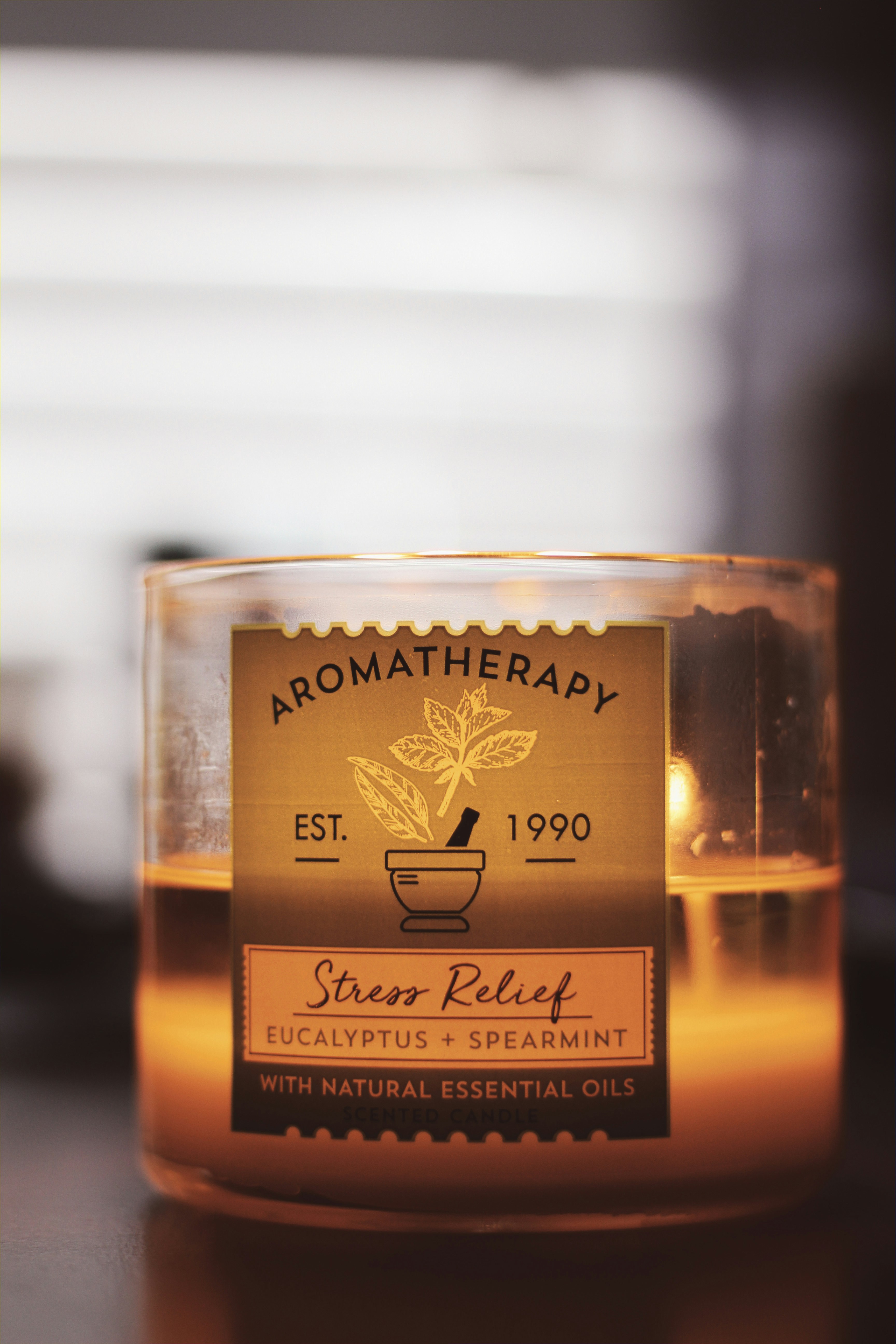
Essential oils are another avenue worth exploring. Lavender oil, in particular, has been extensively studied for its soothing properties. A few drops of lavender oil in a diffuser or applied topically may elevate mood and reduce anxiety levels. The aromatic compounds in lavender work on the brain’s limbic system, which plays a crucial role in regulating emotions.
When considering supplements, magnesium and omega-3 fatty acids have garnered attention for their potential role in mental health. Magnesium is crucial for numerous biochemical reactions in the body and deficiencies have been linked to increased anxiety. Omega-3 fatty acids, commonly found in fish oil, have been associated with improved mood and cognitive function, contributing to overall mental well-being.
While these natural remedies and supplements may offer significant benefits for reducing stress and anxiety, it is essential to consult with healthcare professionals before adding any new treatments to your regimen. This ensures safety and appropriateness based on individual health needs and existing medications.

