
Understanding Mental Health
Mental health refers to our cognitive, emotional, and social well-being, playing a crucial role in how we think, feel, and act in our daily lives. It influences our ability to handle stress, relate to others, and make important choices. Mental health is a fundamental component of overall well-being and can significantly impact various aspects of life, from relationships to productivity at work and personal satisfaction.
Thank you for reading this post, don't forget to subscribe!Common mental health issues include anxiety, depression, and stress, each presenting unique challenges and requiring understanding and support. Anxiety disorders, characterized by persistent and excessive worry, can hinder one’s daily functioning, manifesting as panic attacks or general anxiety. Depression, often marked by prolonged feelings of sadness or worthlessness, can disrupt one’s ability to engage in daily activities. On the other hand, stress can stem from various situations, often leading to emotional and physical health problems if not managed properly.
Recognizing the signs of these conditions is essential for early intervention. Individuals experiencing symptoms such as changes in sleep patterns, loss of interest in previously enjoyable activities, or increased irritability should seek support. Mental health affects not only the individual but also their relationships and social interactions. Therefore, fostering a supportive environment can help promote mental wellness within families and communities.
Understanding mental health is vital as it lays the groundwork for adopting effective natural strategies aimed at improving it. Knowledge of mental health issues empowers individuals to seek help, utilize available resources, and encourage open discussions about mental wellness, which are crucial steps in combatting stigma and fostering a healthier society.
Natural Methods for Improving Mental Health
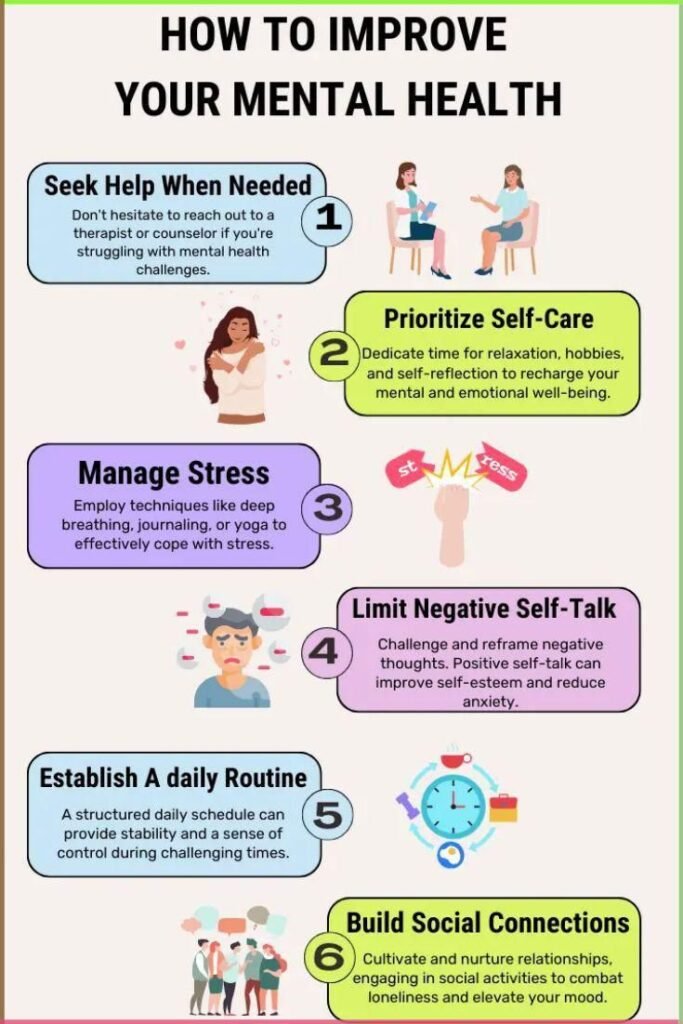
Improving mental health naturally encompasses a variety of effective techniques and strategies that can significantly enhance overall well-being. One of the foremost methods is the practice of mindfulness. Mindfulness encourages individuals to focus on the present moment, fostering an increased awareness of thoughts and feelings without judgment. Regular mindfulness practice can reduce stress, alleviate anxiety, and promote emotional health.
Another key aspect is maintaining an active lifestyle through regular exercise. Physical activity is proven to release endorphins, the body’s natural mood lifters. Engaging in activities such as walking, running, or yoga not only aids physical health but also combats symptoms of depression and anxiety. Moreover, exercise can enhance self-esteem and resilience against stress.
Nutrition plays a vital role in mental wellness as well. A balanced diet rich in omega-3 fatty acids, antioxidants, vitamins, and minerals is essential. Foods such as fatty fish, nuts, seeds, fruits, and vegetables can support brain function and improve mood. Staying hydrated is equally important, as dehydration can lead to fatigue and irritability, which can adversely affect mental health.
Furthermore, establishing proper sleep hygiene practices contributes significantly to mental health enhancements. Quality sleep allows the brain to recover and rejuvenate, while also regulating mood and stress levels. Techniques such as setting a regular sleep schedule, creating a restful environment, and limiting screen time before bed can improve sleep quality.
Lastly, the influence of sunlight and nature cannot be overlooked. Exposure to natural light boosts serotonin levels in the brain, which helps in enhancing mood. Spending time outdoors, even in small doses, can reduce feelings of stress and promote a sense of connection with the environment. Incorporating these natural methods into daily routines can lead to substantial improvements in mental health.
Building a Supportive Environment
Mental health is profoundly influenced by our immediate surroundings and social connections. Establishing a supportive environment is vital for fostering resilience and enhancing overall emotional well-being. It begins with nurturing relationships that provide comfort and stability. Friends and family serve as critical pillars of support, offering empathy and understanding during challenging times. Strengthening these relationships through regular communication and engagement is essential in promoting mental health.
In addition to personal connections, the creation of a positive living space plays an integral role in mental wellness. A clutter-free, organized, and welcoming environment can contribute significantly to lifting one’s mood. Decorating one’s space with uplifting colors, personal mementos, or plants can create a serene atmosphere that encourages relaxation and peace of mind. It is important to ensure that one’s physical surroundings align with a sense of safety and comfort, as these elements act as a foundation for emotional stability.
Community involvement also presents opportunities for building a supportive network, offering both social engagement and a sense of belonging. Participation in community activities, volunteering, or even joining a support group related to mental health can enhance connections with others who share similar experiences. These interactions can foster camaraderie, diminish feelings of isolation, and allow individuals to express their needs and challenges in a judgment-free setting. Support groups, in particular, can provide invaluable resources, strategies, and shared insights to participate in communal healing.
Ultimately, by focusing on nurturing relationships, creating a positive environment, and engaging in community support, individuals can establish a robust framework for improving their mental health naturally. The interconnectedness of these elements emphasizes the importance of seeking and giving support within personal and community contexts.
When to Seek Professional Help
Recognizing when to seek professional help for mental health issues is a vital aspect of maintaining overall well-being. While many individuals can manage their mental health through natural strategies such as lifestyle changes, mindfulness practices, and community support, certain indicators suggest that it may be essential to consult a mental health professional.
One key indicator is the persistence of symptoms. If an individual experiences prolonged feelings of sadness, anxiety, or irritability that interfere with daily life, it is advisable to seek help. Additionally, having difficulties in maintaining relationships or fulfilling responsibilities, such as at work or home, can further signal the need for professional intervention. It is also important to consider the severity of these symptoms; if they escalate or result in thoughts of self-harm or suicide, immediate action is crucial.
Additionally, individuals should acknowledge changes in their physical health associated with mental distress. Symptoms such as changes in appetite, sleep disruptions, or chronic fatigue may indicate an underlying issue that professionals can address. Mental health professionals come in various forms, including psychologists, psychiatrists, or licensed therapists, each offering diverse approaches to treatment.
During treatment, individuals can expect a tailored plan that may include psychotherapy, counseling, or medication management, depending on the diagnosis. This structured support helps ensure that mental health concerns are adequately addressed. While natural methods are invaluable in promoting mental wellness, seeking the guidance of a qualified professional can be pivotal in navigating complex emotional challenges.

