
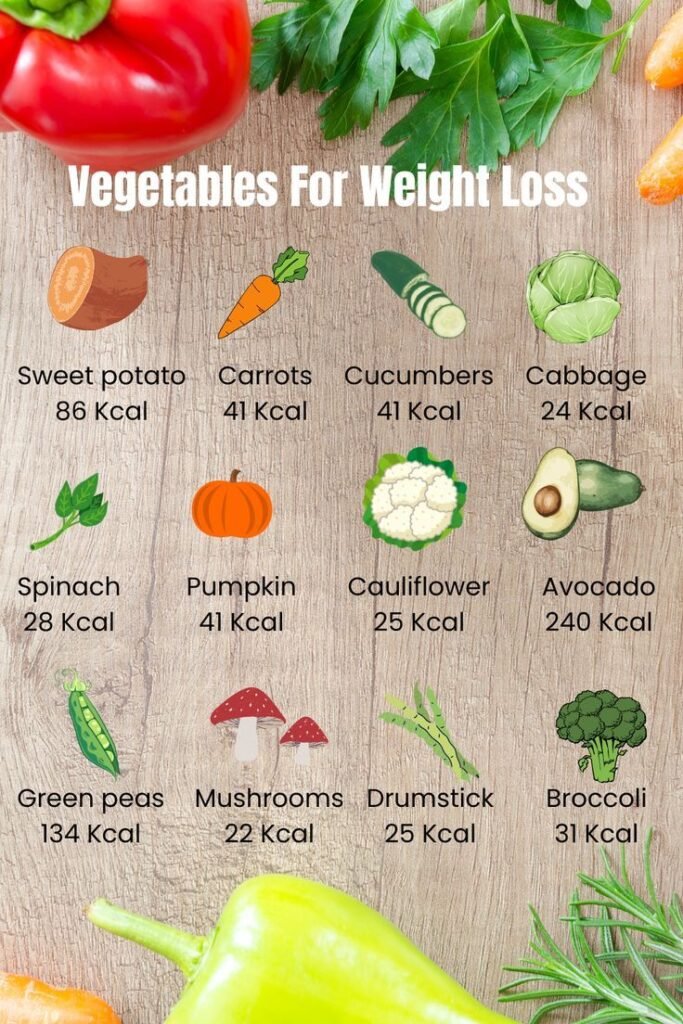
The Importance of Vegetables in Weight Loss
Incorporating vegetables into your daily diet is an essential strategy for anyone aiming to lose weight. One of the primary reasons vegetables are pivotal in weight loss plans is their low-calorie density. Most vegetables contain fewer calories compared to other food groups, allowing individuals to consume larger portions without significantly increasing caloric intake. This characteristic is particularly beneficial for those looking to shed pounds, as it enables them to enjoy satisfying meals while maintaining a caloric deficit.
Thank you for reading this post, don't forget to subscribe!Furthermore, vegetables are a rich source of dietary fiber, which plays a crucial role in promoting feelings of fullness or satiety. Fiber helps slow digestion, preventing quick spikes in hunger. This satiating effect can lead to reduced snacking and a lower overall calorie consumption throughout the day, contributing positively to weight management efforts. Furthermore, including high-fiber vegetables such as broccoli, carrots, and spinach can enhance the overall nutritional quality of your meals.
Vegetables are not only low in calories and high in fiber, but they also boast nutrient-rich profiles, packed with essential vitamins, minerals, and antioxidants. These nutrients support overall health, helping to maintain energy levels and metabolic functions during a weight-loss journey. For instance, leafy greens like kale and Swiss chard are excellent sources of iron and calcium, important for bodily functions while on a reduced-calorie diet.
Popular vegetables known for their weight-loss benefits include bell peppers, cucumbers, zucchinis, and cauliflower. Their versatility in dishes makes them easy to incorporate into various recipes, enhancing flavor without adding excessive calories. By prioritizing vegetables in your meals, you establish a balanced and healthful approach to weight loss, making them a cornerstone of any effective diet plan.
Choosing the Right Veggies for Weight Loss
When aiming for effective weight loss, selecting the right vegetables is crucial. Opting for vegetables that are low in calories yet high in essential nutrients can facilitate weight management while ensuring your body receives the health benefits it needs. Leafy greens, such as spinach, kale, and Swiss chard, are excellent choices. These greens are not only low in caloric content, but they are packed with vitamins, minerals, and antioxidants that support overall health.
Cruciferous vegetables, including broccoli, cauliflower, and Brussels sprouts, also contribute significantly to a weight loss diet. Rich in fiber, these veggies promote a feeling of fullness, which can help stave off unnecessary snacking. The fiber content in cruciferous vegetables also aids digestion and supports a healthy gut, contributing to improved metabolic function.
Additionally, water-rich vegetables, such as cucumbers, zucchini, and bell peppers, are ideal for hydration and can lower overall caloric intake. These vegetables can be incorporated into meals without significantly boosting calorie levels while still providing volume and flavor. For instance, a refreshing cucumber salad or a stir-fry loaded with bell peppers can enliven your meals while assisting your weight loss journey.
To effectively incorporate these choices into your diet, consider preparing veggie-packed soups, salads, or smoothies that highlight their textures and flavors. Including a variety of colors and types can not only enhance nutritional intake but also make meals visually appealing. Strategically replacing higher-calorie ingredients with an abundance of vegetables can lead to satisfying and nutritious meals that support weight loss goals.
Cooking Techniques to Maximize Weight Loss Benefits of Vegetables
When it comes to losing weight effectively while enjoying nutritious vegetables, the cooking techniques employed can profoundly influence nutritional value and taste. Optimal methods for preparing vegetables not only enhance their flavor but also help retain essential nutrients crucial for weight loss. Steaming, roasting, and grilling are among the top techniques that stand out.
Steaming vegetables is a highly recommended option for health-conscious cooks. This gentle method preserves water-soluble vitamins, such as Vitamin C and many B vitamins, which can be diminished during other cooking processes. By using a steamer or simply placing veggies in a colander over boiling water, you can keep them vibrant and crisp, making for a delicious, low-calorie side dish. Pair steamed vegetables with lean proteins, such as grilled chicken or legumes, for a balanced meal that promotes satiety.
Roasting is another effective cooking technique that brings delicious flavor while maximizing the weight loss benefits of vegetables. By roasting vegetables in the oven with minimal oil, you enhance their natural flavors through caramelization, which makes them more appealing and enjoyable. This method is ideal for hearty vegetables like carrots, bell peppers, and sweet potatoes. Seasoning them with herbs and spices instead of high-calorie sauces will keep meals healthy and satisfying.
Grilling is also an excellent technique, providing a smoky flavor that enhances many types of vegetables, including zucchini, asparagus, and corn. Grilled vegetables can be served as a side or added to salads, maintaining a low-calorie count while boosting fiber intake, essential for weight management. Additionally, grilling allows excess fats to drip off, making it a healthier cooking method. For a well-rounded dish, consider serving grilled vegetables alongside wholesome protein sources.
Incorporating these cooking techniques not only improves the nutrient retention in vegetables but also encourages a more flavorful and satisfying diet, essential for successful weight loss.
Creative Ways to Include More Vegetables in Your Diet
Incorporating a variety of vegetables into your diet can significantly enhance your weight loss journey while providing essential nutrients. One effective method is to experiment with different cooking styles and recipes that highlight the natural flavors of fresh vegetables. For instance, roasting a medley of seasonal vegetables with olive oil and herbs can create a delicious side dish or a hearty base for a salad.
Smoothies offer another innovative approach to consuming more veggies; adding spinach, kale, or even cucumber to your favorite fruit blend can deliver an extra nutrient punch without compromising taste. For example, a green smoothie crafted from banana, spinach, and almond milk provides a refreshing way to integrate more leafy greens into your daily routine.
Healthy snacking is also an essential strategy. Cut up an assortment of raw vegetables, such as carrots, bell peppers, and cherry tomatoes, and pair them with hummus or a yogurt-based dip. This not only satisfies hunger but also ensures that your snack choices are vibrant and packed with vitamins and minerals.
Meal preparation plays a crucial role in maintaining a vegetable-rich diet. Setting aside a few hours each week to chop, roast, or steam vegetables can save time during busy weekdays. Having prepped veggies readily available in your refrigerator ensures they are convenient to incorporate into lunches, dinners, or snacks. Planning ahead makes it easier to stick to your weight loss goals by minimizing the temptation to reach for less healthy options.
By exploring different recipes, snacking ideas, and efficient meal prep methods, you can seamlessly integrate more vegetables into your daily diet, thereby supporting your journey towards healthier living.