
Understanding Iron and Its Importance
Iron is an essential mineral that plays a pivotal role in various physiological processes within the human body. It is a critical component of hemoglobin, the protein in red blood cells responsible for transporting oxygen from the lungs to tissues and organs. The significance of iron cannot be overstated, as it not only aids in oxygen delivery but also supports cellular respiration, energy metabolism, and overall vitality. Adequate iron levels are imperative for maintaining optimal health.
Thank you for reading this post, don't forget to subscribe!When the body lacks sufficient iron, it can lead to iron deficiency anemia, a condition marked by reduced hemoglobin levels in the blood. This deficiency often manifests as fatigue, weakness, and decreased cognitive function. Individuals may experience symptoms such as shortness of breath, palpitations, and an increased susceptibility to infections. Therefore, ensuring adequate iron intake is crucial for sustaining energy levels and supporting cognitive abilities.
Iron also plays a role in various metabolic processes. It is involved in the synthesis of collagen, which is essential for maintaining healthy skin, cartilage, and bones. In addition, iron contributes to the production of neurotransmitters, which are vital for brain function and emotional well-being. Evidence suggests that low iron levels may negatively impact mood and cognitive productivity.
In summary, iron is indispensable for numerous bodily functions, particularly for oxygen transport and energy production. Understanding the importance of iron can lead to better dietary choices that support optimal iron levels. A well-balanced diet that includes iron-rich foods can help prevent deficiency and promote overall health and well-being.
How Iron Absorption Works
Iron absorption in the body is a complex process influenced by various factors related to the type of iron consumed, dietary components, and individual physiological differences. Iron exists in two primary forms: heme and non-heme iron. Heme iron, which is predominantly found in animal products such as red meat, poultry, and fish, is absorbed more efficiently—approximately 15-35%—due to its molecular structure, which allows for easier uptake in the intestines.
Conversely, non-heme iron, which is derived primarily from plant sources like legumes, fortified cereals, and spinach, possesses a lower absorption rate of around 2-20%. This variability is crucial to understand, especially for vegetarians or individuals with limited animal product intake, as their iron absorption heavily relies on the efficiency of non-heme iron.
Several dietary factors can enhance or inhibit iron absorption. Vitamin C, found in citrus fruits, bell peppers, and broccoli, is a well-known enhancer that facilitates the conversion of non-heme iron into a more absorbable form. Consuming foods rich in vitamin C alongside non-heme iron sources can significantly increase the amount of iron that the body absorbs.
On the other hand, certain substances can hinder iron absorption. Calcium, often found in dairy products, competes with iron for absorption sites in the intestines. Additionally, phytates present in whole grains and legumes, as well as polyphenols in coffee and tea, can inhibit non-heme iron absorption. Therefore, it may be advisable to consume these inhibitory foods separately from iron-rich meals to maximize absorption.
Understanding the dynamics of iron absorption is vital for maintaining optimal iron levels, especially for those at risk of deficiency. Careful dietary choices, along with improved awareness of how different nutrients can interact, can help individuals effectively manage their iron intake and overall health.
Top 8 Iron-Rich Foods
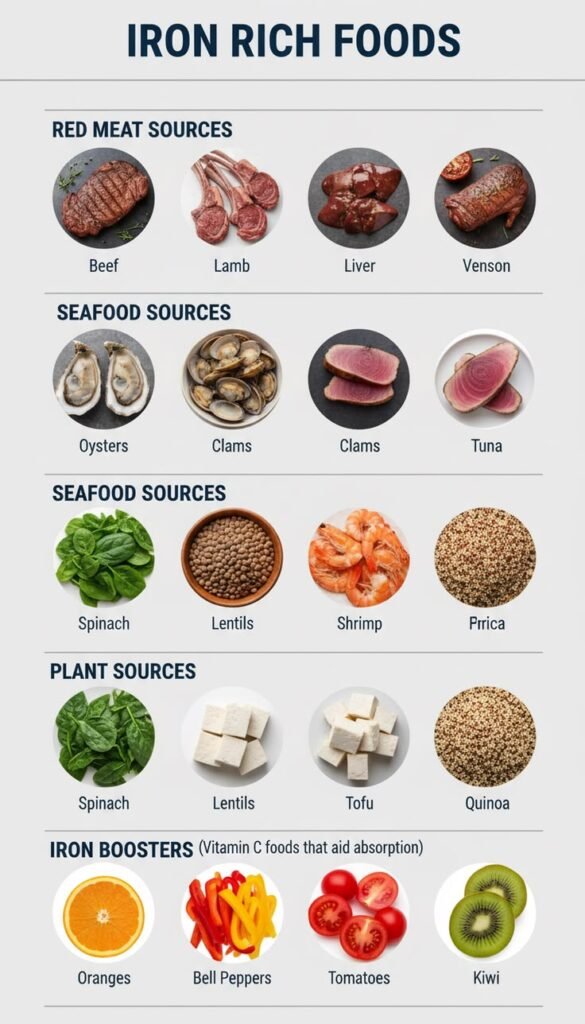
Iron is an essential mineral that plays a crucial role in various bodily functions, including oxygen transport and energy production. Consuming iron-rich foods can significantly improve your overall health and help prevent deficiencies. Here are eight foods that are particularly high in iron:
1. Red Meat
Beef and lamb are some of the richest sources of heme iron, which is more easily absorbed by the body compared to non-heme iron found in plant foods. A 3-ounce serving of cooked beef can provide approximately 2.7 mg of iron. Red meat is also packed with protein, zinc, and B vitamins, making it a nutritious option.
2. Legumes
Beans, lentils, and chickpeas are excellent sources of non-heme iron. For instance, a cup of cooked lentils contains around 6.6 mg of iron. Incorporating legumes into soups, salads, and stews can help enhance your iron intake while also providing fiber and other essential nutrients.
3. Spinach
This leafy green vegetable is a powerhouse of iron, offering approximately 6.4 mg per cooked cup. Spinach is also rich in vitamins A and C, which can help enhance iron absorption. Adding spinach to smoothies, omelets, or stir-fries can be an easy way to boost your iron levels.
4. Quinoa
Quinoa contains about 2.8 mg of iron per cooked cup, making it a great option for vegetarians. It is also a complete protein, providing all nine essential amino acids. Use quinoa in salads, bowls, or as a substitute for rice to increase your iron intake.
5. Tofu
Tofu, made from soybeans, is not only rich in iron but also an excellent source of plant-based protein. One half-cup serving can deliver around 3 mg of iron. Incorporate tofu into stir-fries, soups, or salads for a nutritious boost.
6. Pumpkin Seeds
These tiny seeds pack a punch with approximately 2.5 mg of iron per ounce. They are also high in magnesium and zinc. Snack on pumpkin seeds raw or add them to granola, yogurt, or salads for added texture and nutrition.
7. Dark Chocolate
Surprisingly, dark chocolate can provide up to 3.3 mg of iron per ounce, alongside antioxidants that support heart health. Opt for chocolate that contains at least 70% cocoa to maximize health benefits while enjoying it in moderation.
8. Fortified Cereals
Many breakfast cereals are fortified with iron, providing up to 18 mg or more per serving. This makes them a convenient option for increasing your dietary iron intake. Pairing fortified cereals with fruit or milk can make for a balanced and iron-rich meal.
Exploring and incorporating these iron-rich foods into your diet, whether through hearty meals or versatile snacks, can help you maintain adequate iron levels. By embracing a variety of these foods, you will not only enjoy their unique flavors but also benefit from their nutritional value.
Tips for Increasing Iron Intake
To effectively boost your iron levels, it is crucial to implement practical strategies in your daily meals. Meal planning plays a significant role in ensuring adequate iron consumption. Begin by including a variety of iron-rich foods in your weekly meal plan. These foods might include red meat, poultry, fish, lentils, beans, tofu, and dark leafy greens like spinach and kale. Additionally, consider incorporating fortified cereals, nuts, and seeds to further enhance your iron intake.
Combining iron-rich foods with those containing vitamin C can significantly improve iron absorption. For example, pairing a spinach salad with sliced oranges or tomatoes not only adds flavor but also enhances the bioavailability of iron from the spinach. Similarly, having a glass of orange juice with a breakfast high in iron can aid in its absorption. Keep in mind that iron comes in two forms: heme iron from animal sources and non-heme iron from plant-based sources. Heme iron is generally absorbed more efficiently than non-heme, so include both types in your diet for optimal results.
For individuals with dietary restrictions, such as vegetarians or those with food allergies, it’s important to choose alternative sources of iron. Foods like legumes, fortified grains, pumpkin seeds, and quinoa can be excellent replacements. Additionally, using cooking methods that enhance nutrient retention, such as steaming or microwaving, can help maximize iron levels in food. Lastly, be aware of substances that can inhibit iron absorption, such as calcium-rich foods, tea, or coffee when consumed at the same time as iron-rich meals. By adopting these strategies, you can take control of your diet and make informed choices to effectively boost your iron levels.