
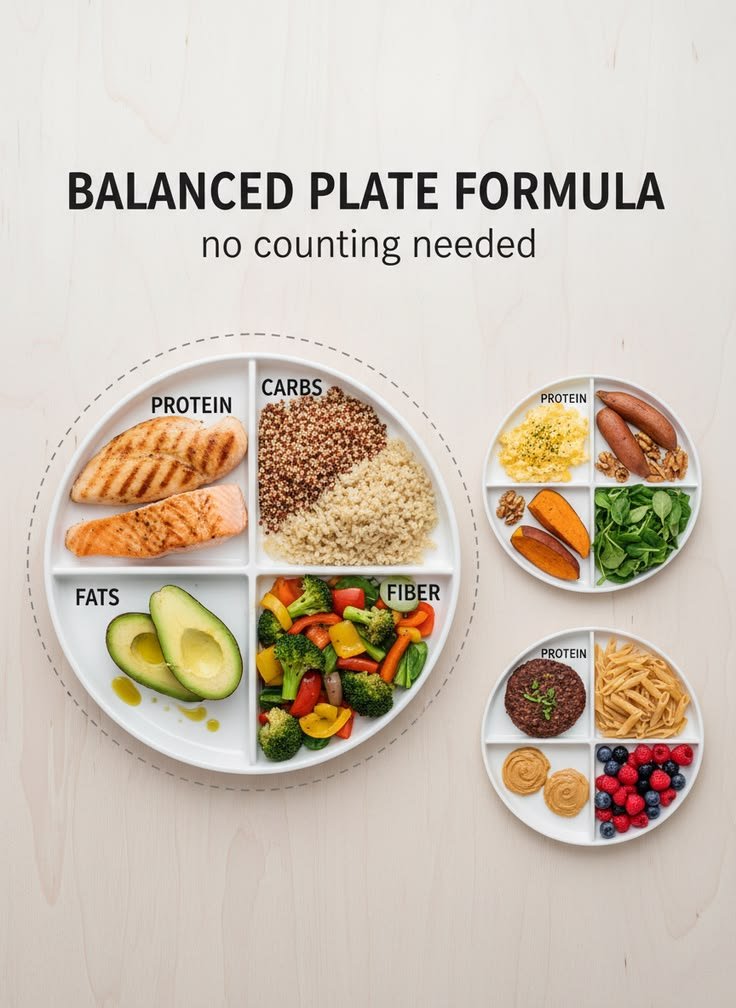
Understanding the Components of a Balanced Meal
A balanced meal consists of various components that work together to provide essential nutrients necessary for optimal health. The primary macronutrients include proteins, carbohydrates, and fats, each playing a unique role in maintaining bodily functions and energy levels. Understanding the significance of these macronutrients can help you construct meals that are not only satisfying but also nutritious.
Thank you for reading this post, don't forget to subscribe!Proteins are crucial for muscle repair and growth, hormone production, and enzyme function. They can be sourced from both animal and plant-based foods, such as lean meats, dairy, legumes, and nuts. Adequate protein intake is vital, particularly for individuals engaged in regular physical activity, as it helps to replenish muscles after exercise.
Carbohydrates serve as the body’s primary energy source, providing fuel for physical activities and essential brain functions. Complex carbohydrates, found in whole grains, fruits, and vegetables, offer more nutritional value compared to simple sugars and should be prioritized in a balanced meal. These complex carbohydrates are digested slowly, promoting sustained energy release and blood sugar regulation.
Healthy fats are an integral component of a balanced diet, playing a pivotal role in hormone production, nutrient absorption, and cell structure. Sources of healthy fats include avocados, olive oil, and fatty fish. It is essential to choose unsaturated fats while limiting saturated and trans fats to support heart health and reduce the risk of chronic diseases.
Diverse food groups, each contributing unique vitamins and minerals, further enhance a balanced meal. Incorporating a variety of fruits, vegetables, whole grains, and protein sources ensures that all necessary nutrients are present. This variety not only supports overall health but also keeps meals interesting and flavorful.
The Principle of Portion Control
Portion control is essential for achieving balanced meals that contribute to overall health without the necessity of calorie counting. Understanding appropriate portion sizes aids individuals in crafting meals that are nutritious and satisfying. One primary technique for estimating portion sizes involves using visual cues based on common household items. For instance, a portion of protein such as chicken or fish can be approximately the size of a deck of cards, while a serving of grains like rice or pasta can be visualized as similar to the size of a tennis ball.
In addition to visual cues, employing your hand as a measuring tool can be quite effective. A serving of vegetables is roughly equivalent to a fistful, while a thumb-sized portion of healthy fats, such as nuts or avocado, can help prevent excessive intake. Integrating these methods into daily meal planning encourages a balanced approach to food consumption, which is key to maintaining physical well-being.
Furthermore, the way meals are served plays a vital role in portion control. Using smaller plates and bowls can create an illusion of a fuller plate, leading to reduced serving sizes while still enjoying a complete meal. When plating, incorporate a variety of food groups to ensure balanced nutrition—ideally one-half of the plate should consist of vegetables, one-quarter of protein, and one-quarter of whole grains. This visual arrangement not only satisfies nutritional needs but also promotes mindfulness during meals, allowing individuals to listen to their hunger cues more effectively.
By applying these practical techniques for estimating and serving portions, individuals can embrace a balanced diet without the stress of constant calorie tracking, allowing for better focus on healthful eating habits.
Incorporating Whole Foods into Your Meals
In recent years, there has been a growing emphasis on the importance of incorporating whole foods into our daily diets. Whole foods, which are minimally processed and free from artificial additives, provide a number of nutritional advantages over their processed counterparts. These foods are rich in essential nutrients, vitamins, and minerals that can significantly contribute to one’s overall health and well-being. For instance, fruits, vegetables, whole grains, and lean proteins offer not only better nutrition but also greater flavor and satisfaction.
To seamlessly integrate whole foods into your meals, consider starting with simple recipes that highlight these ingredients. For example, a colorful quinoa salad can be made using cooked quinoa, mixed vegetables, and a light dressing, all of which are packed with nutrients. Another easy option is preparing a stir-fry with fresh vegetables and your choice of protein, whether it be chicken, tofu, or shrimp, allowing for a quick and nutritious dinner that avoids processed sauces and additives.
When it comes to shopping for whole foods, it is essential to focus on selecting high-quality produce, grains, and proteins. Start by visiting local farmers’ markets or choosing seasonal fruits and vegetables at the grocery store. Look for whole grains such as brown rice, whole wheat pasta, and oats which are not only healthier but also provide more fiber. For proteins, opt for lean cuts of meat, fish, and legumes, which offer valuable nutrients without added fillers. By making these conscious choices at the grocery store, you enhance your ability to prepare balanced meals that nourish your body.
Practical Tips for Meal Planning and Preparation
Effective meal planning and preparation play a critical role in establishing a balanced diet without the stress of calorie counting. One effective strategy is to engage in batch cooking. By preparing larger quantities of meals at once, individuals can save time and ensure they have nutritious options readily available. Consider cooking grains, legumes, and proteins in bulk, then storing them in the refrigerator or freezer for future use. This approach not only aids in portion control but also minimizes the temptation of resorting to unhealthy quick options on busy days.
Creating a flexible grocery list is another invaluable practice. Focus on seasonal produce, as it tends to be fresher, tastier, and more budget-friendly. Seasonal fruits and vegetables can add variety to meals and nutritional value, enhancing your overall eating experience. When planning meals, take advantage of weekly sales and local farmers’ markets to incorporate these seasonal items and to help form a well-rounded grocery list that caters to diverse tastes.
In addition, maintaining a well-stocked pantry with staple ingredients can greatly enhance meal preparation efficiency. Items such as whole grains, canned beans, spices, and frozen vegetables can act as foundational elements for balanced meals. They enable creativity and flexibility, allowing you to whip up nutritious dishes without the pressure of needing specific ingredients. Furthermore, exploring new recipes and experimenting with different combinations of ingredients can lead to the discovery of delightful new meals that satisfy without the need for constant calorie tracking.
By integrating these meal planning strategies into daily routines, individuals can take control of their eating habits and foster a sustainable approach to balanced nutrition. Ultimately, the focus should be on nourishing the body with wholesome foods, paving the way for healthier eating patterns that support overall well-being.

