
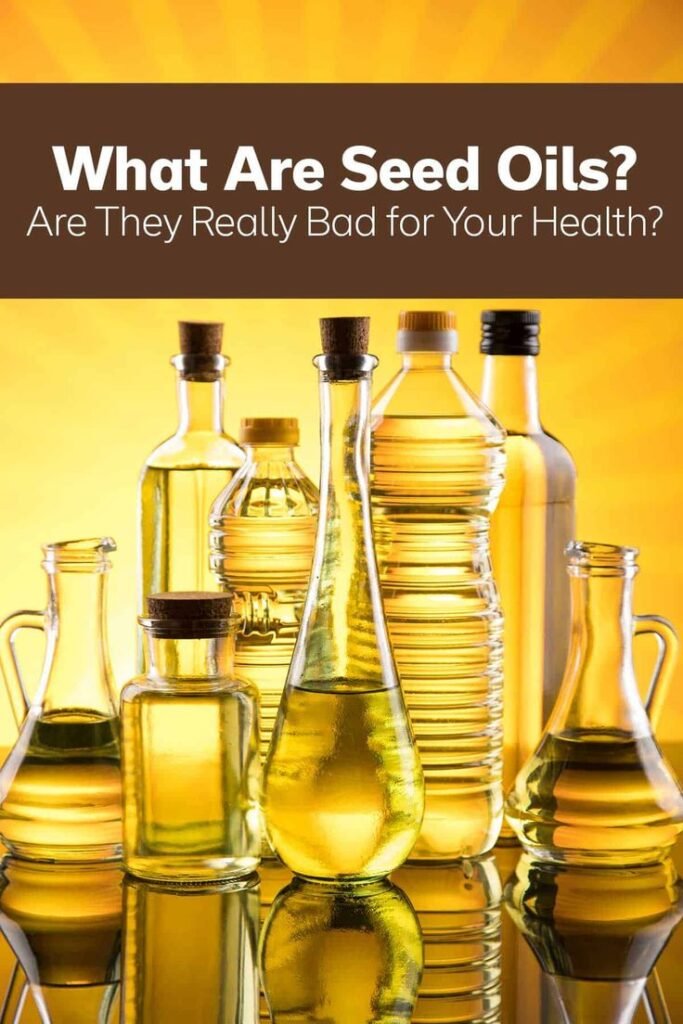
Understanding Seed Oils: What Are They and How Are They Made?
Seed oils are vegetable oils that are extracted from the seeds of various plants. Common examples include canola, soybean, sunflower, and corn oil. These oils have gained significant popularity in modern diets due to their versatility and cost-effectiveness. They are frequently used in cooking, baking, and food processing, often serving as the base for salad dressings, margarine, and numerous processed food products.
Thank you for reading this post, don't forget to subscribe!The production of seed oils typically involves a two-step process: extraction and refinement. Initially, the seeds are harvested and cleaned to remove any foreign materials. Following this, the extraction process begins, which can occur through mechanical pressing or chemical extraction. Mechanical pressing involves crushing the seeds to release their oil, maintaining a relatively unprocessed state. This method usually produces cold-pressed oils that retain more nutrients but yield less oil compared to chemical methods.
On the other hand, chemical extraction utilizes solvents, often hexane, to maximize oil yield. This method, while more efficient, can lead to the presence of residual solvents in the final product along with potential degradation of certain nutrients due to high temperatures. After extraction, the oils undergo refinement, which may include processes such as bleaching, deodorizing, and hydrogenation to improve flavor, shelf life, and stability. These processes often significantly alter the chemical composition of the oils.
In addition to their culinary uses, seed oils have found their way into a variety of food products and industrial applications, making them prevalent in the average diet. While they offer certain advantages in meal preparation due to their high smoke points and mild flavors, the health implications of consuming seed oils have become a topic of ongoing debate among researchers and health professionals.
The Nutritional Profile of Seed Oils
Seed oils, derived from a variety of seeds such as sunflower, canola, and soybean, are a critical component of many diets globally. The primary nutritional characteristic of these oils is their composition of fats, predominantly polyunsaturated fatty acids (PUFAs). Unlike saturated fats, which are solid at room temperature, polyunsaturated fats remain liquid, making seed oils a popular choice for cooking and food preparation.
A key aspect of seed oils is their balance of omega-6 and omega-3 fatty acids, essential fats that the body cannot produce on its own. Most seed oils are significantly higher in omega-6 fatty acids. For example, soybean oil contains about 50% omega-6 and less than 10% omega-3, while flaxseed oil contains a much higher proportion of omega-3s. The typical Western diet tends to have an excess of omega-6 fatty acids, which may contribute to inflammation and a host of health issues if not balanced with omega-3 intake.
In addition to fatty acids, seed oils can provide small amounts of vitamins and antioxidants. For instance, sunflower oil is a good source of vitamin E, an antioxidant that helps protect the body from oxidative stress. However, the caloric content of seed oils is a consideration; like most fats, they are calorie-dense, containing approximately 120 calories per tablespoon. When consumed in moderation, seed oils can fit into a healthy diet, but overconsumption, especially of oils high in omega-6, may pose health risks.
Understanding the nutritional profile of seed oils, particularly their fat composition and vitamin content, is essential for making informed dietary choices. This knowledge serves as a foundation for further exploration into the health implications associated with their consumption.
Scientific Research: Are Seed Oils Harmful or Beneficial?
Seed oils, which are derived from various sources such as soybeans, corn, and sunflowers, have been the subject of extensive scientific research regarding their health implications. Some studies suggest that the consumption of seed oils, which are high in polyunsaturated fatty acids (PUFAs), may play a role in reducing inflammation and promoting cardiovascular health. Research indicates that omega-6 fatty acids, prevalent in these oils, can contribute to improved heart health by lowering bad cholesterol levels and potentially reducing the risk of heart disease.
Conversely, other studies raise concerns about the potential adverse effects associated with seed oil consumption. Critics argue that the high levels of omega-6 fatty acids may promote inflammation when not balanced with omega-3 intake. This imbalance is thought to exacerbate conditions such as obesity, metabolic syndrome, and chronic diseases. Additionally, some researchers have pointed out that the refining process of seed oils may lead to the formation of harmful compounds, which could pose further health risks.
Another area of research focuses on the impact of seed oils on weight management. While some findings indicate that substituting saturated fats with unsaturated fats from seed oils may benefit weight control, other studies suggest that excessive consumption of these oils could lead to increased body fat due to their high caloric density. This controversy highlights the need for further investigation to assess the relationship between seed oils and weight management comprehensively.
In conclusion, the scientific community remains divided on the health effects of seed oils. While there is substantial evidence supporting their advantages, particularly in promoting heart health, there are also valid concerns regarding inflammation and long-term health outcomes. As research continues to evolve, it is crucial for individuals to stay informed and make dietary choices aligned with emerging evidence.
Practical Guidance: How to Incorporate or Limit Seed Oils in Your Diet
As seed oils gain increasing attention in discussions about health and nutrition, understanding how to effectively incorporate or limit them in your diet becomes crucial. The first step is to familiarize yourself with ingredient labels. Common seed oils such as soybean, canola, corn, and sunflower oils may appear in unexpected products, including salad dressings, packaged snacks, and pre-prepared meals. Reading labels carefully can help you identify and reduce your intake of these oils.
When it comes to cooking alternatives, consider using healthier fat options that offer nutritional benefits. For instance, olive oil, particularly extra-virgin olive oil, is a well-regarded option high in monounsaturated fats and antioxidants. It can serve as a great substitute for seed oils in salad dressings or for light sautéing. Other viable alternatives include avocado oil and coconut oil, each exhibiting a unique flavor profile and cooking properties that may enhance your dishes.
Balancing your dietary fat intake is essential for optimal health. Aim for a diverse array of fats, encouraging a balance of saturated, monounsaturated, and polyunsaturated fats. This could mean enjoying a moderate amount of seed oils while also incorporating ample sources of omega-3 fatty acids, such as fish, flaxseeds, and walnuts. A mindful approach to fat consumption, focusing on quality over quantity, is important.
Finally, moderation should be the guiding principle in your dietary decisions. The context of your overall diet is vital; incorporating seed oils occasionally is unlikely to be harmful if balanced with whole foods and rich sources of nutrients. Evaluating your individual health goals, personal preferences, and potential health impacts can guide you in making informed decisions regarding seed oil consumption.

