
Understanding Chronic Stress
Chronic stress is a prolonged and persistent stress response that results from enduring pressures and challenges that exceed an individual’s coping abilities. Unlike acute stress, which is a short-term response triggered by immediate threats or challenges, chronic stress stems from ongoing life situations such as work demands, financial pressures, or prolonged illness. Its capacity to influence psychological and physical health underscores the importance of understanding this condition.
Thank you for reading this post, don't forget to subscribe!The causes of chronic stress are multifaceted, including environmental, psychological, and lifestyle factors. Environmental factors may encompass workplace conditions, noise pollution, and socio-economic challenges. Psychological factors often involve unresolved trauma, negative thought patterns, and anxiety disorders. Lifestyle choices, such as inadequate sleep, poor diet, and lack of physical activity, can further exacerbate chronic stress levels.
Physiologically, chronic stress triggers a cascade of hormonal changes in the body, primarily through the activation of the hypothalamic-pituitary-adrenal (HPA) axis. This results in elevated levels of cortisol, the body’s primary stress hormone, which in the short term can enhance focus and energy. However, over time, sustained high cortisol levels can lead to detrimental health outcomes, including immune system suppression, increased risk of cardiovascular diseases, and digestive issues. Additionally, chronic stress can disrupt other hormonal balances in the body, leading to symptoms such as fatigue, irritability, and sleep disturbances.
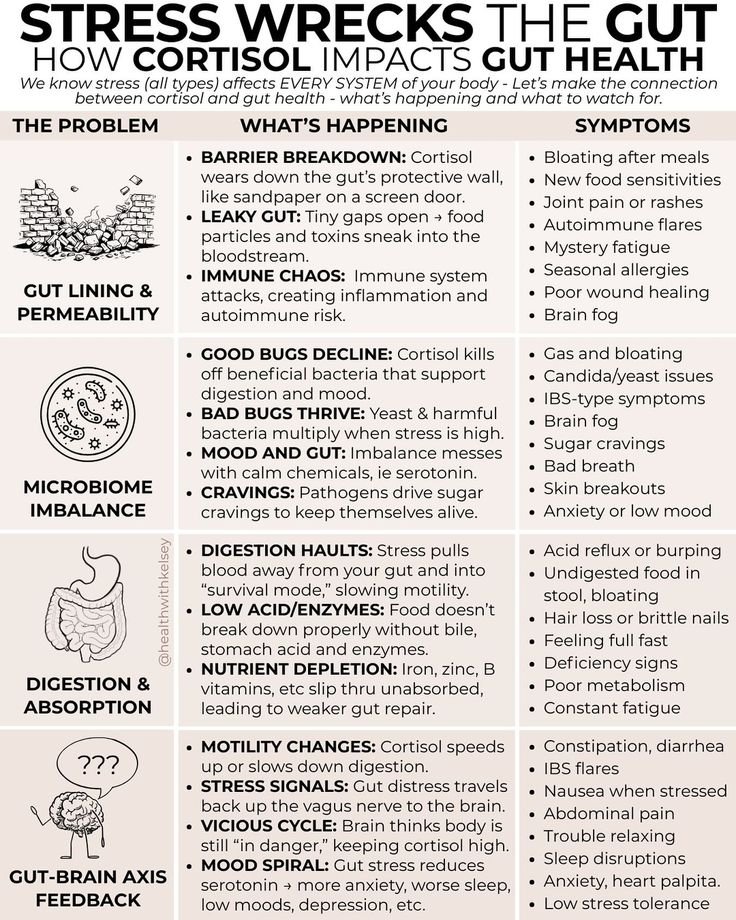
Moreover, chronic stress not only affects individuals psychologically and physically but can also disrupt the delicate balance of the gut microbiota, a crucial component of gut health. The intricate connection between the gut and the brain means that chronic stress can create a cycle of worsening gut health that, in turn, can exacerbate feelings of stress and anxiety. Understanding these dynamics is essential for developing effective strategies to mitigate the impacts of chronic stress on overall health.
The Gut–Brain Connection Explained
The gut-brain connection is an intricate network that manifests as a bidirectional communication system between the gastrointestinal tract and the central nervous system. This relationship plays a significant role in overall health and well-being, with a notable impact on emotional states and cognitive functions. At the heart of this connection lies the vagus nerve, one of the longest nerves in the body, which facilitates communication between the gut and the brain. It transmits signals in both directions, allowing the brain to influence gut function, and conversely, enabling the gut to affect mental states.
Research has shown that the gut contains millions of neurons, often referred to as the “second brain,” which can operate independently from the brain itself. This neuroenteric system contributes to the processing of information, allowing for responses to stimuli such as pain, stress, and hunger, before sending information to the brain. This signalling pathway is crucial, particularly during periods of chronic stress, where the body’s physiological responses can greatly influence gut health.
Additionally, the gut microbiota—the diverse community of microorganisms residing in the digestive tract—also plays a vital role in the gut-brain relationship. These microorganisms are involved in the production of neurotransmitters and other metabolites that can affect mood and cognition. For instance, approximately 90% of serotonin, a neurotransmitter linked to feelings of happiness, is produced in the gut. An imbalance in gut microbiota, often exacerbated by factors like chronic stress or poor dietary choices, may lead to dysregulation of these neurotransmitters, impacting emotional well-being and leading to issues such as anxiety and depression.
Impact of Chronic Stress on Gut Health
Chronic stress has profound implications for gut health, significantly altering the composition and function of the gut microbiota. When an individual experiences prolonged periods of stress, the gut’s ecosystem can become disrupted, a state known as dysbiosis. Dysbiosis occurs when there is an imbalance among the various microorganisms residing in the gut, leading to a decline in beneficial bacteria and an overgrowth of harmful species. This shift can profoundly impact overall health and well-being.
One of the critical consequences of altered gut microbiota due to chronic stress is the impairment of the gut barrier function. The gut barrier serves as a protective layer, preventing harmful substances and pathogens from entering the bloodstream. Under chronic stress conditions, this barrier can become compromised, resulting in increased intestinal permeability—often referred to as “leaky gut.” This condition allows toxins and microbes to leak into the bloodstream, triggering inflammatory responses in the body.
The implications of these changes in gut health are significant. Individuals may experience a range of gastrointestinal disorders, such as irritable bowel syndrome (IBS), inflammatory bowel disease (IBD), and functional dyspepsia, all of which can be exacerbated by stress. Additionally, chronic inflammation caused by dysbiosis can further disrupt digestive processes and contribute to the development of food sensitivities.
Moreover, the relationship between chronic stress and immune response is critical to understanding gut health. The gut houses a large portion of the immune system, and an altered microbiota can lead to imbalances in immune function, making an individual more susceptible to infections and diseases. The gut-brain connection highlights how stress not only affects mental health but can also render the gut vulnerable to various pathological conditions. Thus, it is essential to address chronic stress as a factor influencing gut health and overall wellness.
Managing Stress for Better Gut Health
Chronic stress can have significant ramifications on overall health, particularly on gut health. To mitigate these effects, implementing effective stress management strategies is crucial. One fundamental approach involves making lifestyle changes that promote physical and mental well-being. Regular physical activity, for example, is a proven method to decrease stress as it releases endorphins, which enhance mood and overall health. Engaging in moderate exercise for at least 30 minutes most days can lead to improved gut health by fostering a balanced microbiome.
Dietary adjustments also play a vital role in managing stress while supporting gut health. Consuming a balanced diet rich in fruits, vegetables, whole grains, and lean proteins can positively influence gut flora. Probiotics from fermented foods, such as yogurt, sauerkraut, and kimchi, help improve gut microbiota, thus facilitating better digestion and lowering stress levels. Additionally, reducing the intake of processed foods and excessive sugars can contribute to enhanced gut function and reduced anxiety.
Incorporating mindfulness practices such as meditation, breathing exercises, and yoga can further alleviate stress. These practices have been shown to lower cortisol levels and promote relaxation, which is beneficial for gut health. Mindfulness encourages a greater awareness of one’s body and emotional responses, leading to healthier coping mechanisms in stressful situations.
Therapeutic approaches, including counseling or therapy, may also be beneficial, especially for individuals facing significant stress triggers. Professional support can provide tailored coping strategies and tools necessary for managing stress effectively. Making a concerted effort to prioritize mental health—whether through self-care practices, seeking support from friends, or professional help—can ultimately foster a healthier gut environment.
Overall, adopting these strategies can lead to improved gut health, effectively creating a cycle of wellness that can help mitigate the effects of chronic stress.

