
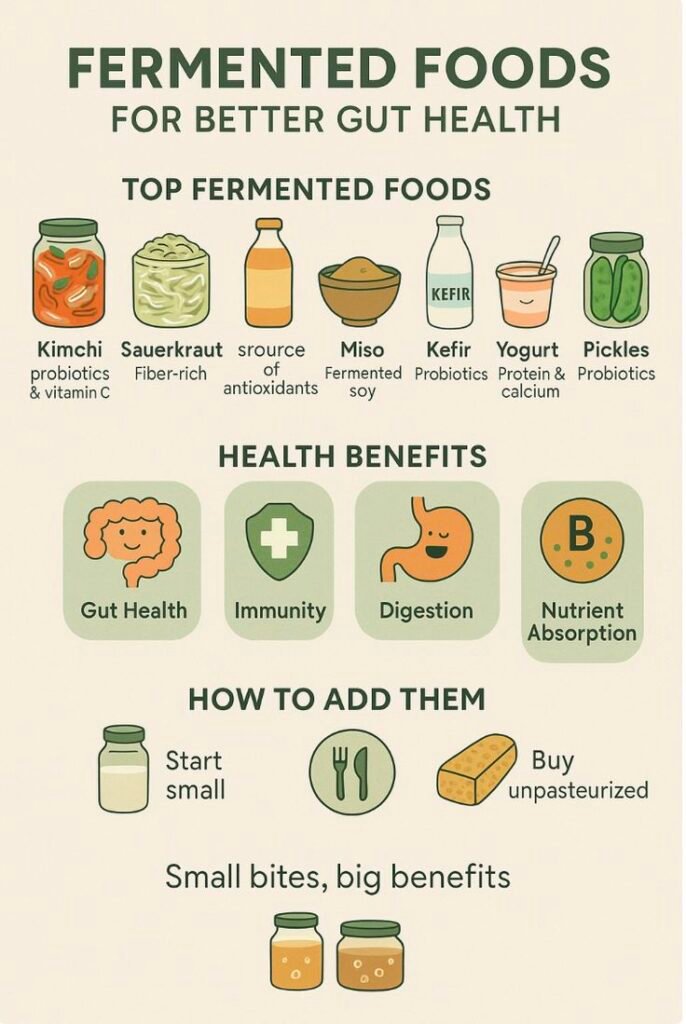
Understanding Fermented Foods
Fermented foods are products that result from the metabolic process of fermentation, in which microorganisms such as bacteria, yeasts, or molds convert sugars and starches into acids, gases, or alcohol. This age-old practice not only preserves food but also enhances its flavor, texture, and nutritional value. Common examples of fermented foods include yogurt, sauerkraut, kimchi, kefir, and miso. The fermentation process occurs under controlled conditions and results in probiotic-rich foods that promote health and well-being.
Thank you for reading this post, don't forget to subscribe!The benefits of incorporating fermented foods into your diet are manifold. One of the primary advantages is the enhanced nutritional profile these foods offer. Fermentation increases the bioavailability of nutrients, meaning that the body can absorb vitamins and minerals more efficiently. For instance, the fermentation of dairy products like yogurt breaks down lactose, making it a suitable option for lactose-intolerant individuals, thus broadening dietary accessibility.
Moreover, fermented foods play a significant role in improving digestion and promoting gut health. The probiotics produced during fermentation contribute positively to gut microbiota, which is crucial for digestive health. A balanced gut microbiome supports regular bowel movements, alleviates gastrointestinal discomfort, and may reduce the likelihood of developing conditions such as irritable bowel syndrome (IBS) and gastrointestinal infections. Furthermore, emerging research suggests a potential link between gut health and mental well-being, indicating that incorporating fermented foods may have positive implications for overall health.
In summary, understanding the nature of fermented foods and their benefits can empower individuals to make informed dietary choices. By embracing these foods, one can not only enhance their meal variety and taste but also support their digestive health and overall well-being.
Top Fermented Foods to Try
Incorporating fermented foods into your diet is a simple yet effective way to enhance your nutrition while introducing exciting flavors. Here are some top fermented foods that you can easily add to your meals this week.
Kefir: This tangy drink is made from fermented milk and is rich in probiotics, beneficial bacteria that support gut health. Its creamy texture makes it a delightful addition to smoothies, or it can be enjoyed plain as a refreshing beverage.
Kraut: Fermented cabbage, or sauerkraut, is not only a traditional condiment but also a rich source of vitamins C and K. Its distinct sour flavor can elevate sandwiches, salads, or serves as a healthy side dish.
Kimchi: This spicy Korean counterpart to sauerkraut is made from fermented vegetables, usually Napa cabbage and seasoning. Kimchi is renowned for its complex flavors and numerous health benefits, including boosting the immune system, and it pairs well with rice dishes, tacos, or even as a topping on eggs.
Kombucha: This effervescent tea, brewed through the fermentation process, is known for its uniquely tangy taste and potential detoxifying effects. Drink it as a refreshing beverage or use it as a mixer in cocktails for a bubbly bite.
Miso: Made from fermented soybeans, miso is a staple in Japanese cuisine. Its savory umami flavor makes it perfect for soups, marinades, or salad dressings, offering both taste and nutrition benefits such as protein and vitamins.
Incorporating these fermented foods into your diet can not only enhance the flavors of your meals but also contribute positively to your overall health. Consider trying one or more of these options this week and enjoy the delightful tastes along with their myriad health benefits.
How to Incorporate Fermented Foods Into Your Meals
Adding fermented foods to your meals can enhance both flavor and health benefits. Here are practical suggestions for breakfast, lunch, dinner, and snacks that will help you seamlessly include these nutritious foods into your daily diet.
For breakfast, consider starting your day with yogurt topped with fresh fruits and nuts. This is an easy way to enjoy the probiotics found in yogurt. You might also try smoothie bowls that include kefir, which adds a tangy flavor and creamy texture. For a savory option, layer some sauerkraut on whole grain toast topped with avocado—a perfect combination of nutrients and taste.
When it comes to lunch, incorporating fermented vegetables into salads or grain bowls can provide a delightful crunch. For instance, add kimchi to a quinoa salad or mix pickles into a tuna salad. These variations can elevate standard meals while contributing beneficial bacteria. You can also serve miso soup as a warm, nourishing option filled with umami flavors, perfect as a side or a main dish.
During dinner, consider integrating tempeh in stir-fried dishes or use it as a meat substitute in tacos. The richness of tempeh, combined with spices and fresh vegetables, creates a satisfying meal. Additionally, serving a side of fermented vegetables—such as kimchi or pickled carrots—can complement many dishes. Even sauces like miso glaze can add depth to protein and vegetables.
For snacks, try pairing fermented foods with common favorites. Hummus mixed with tahini and a hint of fermented garlic can serve as a delightful dip for raw vegetables. Additionally, sourdough bread topped with cream cheese and fermented herbs or seasonal vegetables makes a healthy and delicious option. Enjoying fermented foods in these ways will not only enhance your meals but also contribute positively to your gut health.
Potential Considerations and Precautions
Incorporating fermented foods into one’s diet can offer numerous health benefits, but it is essential to approach this addition with care and awareness. Individuals should consider consuming these foods in moderation to assess their body’s response. For many, the introduction of fermented products such as yogurt, kefir, or sauerkraut can be a welcome change, but it may also lead to digestive discomfort if consumed in large quantities, particularly for those who are not used to dietary fiber or probiotics.
Additionally, individuals with certain health conditions should consult with a healthcare professional before increasing their intake of fermented foods. Those with weakened immune systems, such as people undergoing cancer treatment or those with autoimmune diseases, may have specific dietary needs that require attention. Fermented foods can sometimes contain live bacteria, which may not be advisable for those with compromised health.
Furthermore, individuals who are lactose intolerant may find certain fermented dairy products challenging. While fermentation can reduce lactose levels, it is still essential to monitor how your body reacts to these foods. Alternatives, such as non-dairy yogurts or fermented vegetables, can be excellent substitutes.
Moreover, those with certain gastrointestinal conditions, like irritable bowel syndrome (IBS), should proceed with caution. Some fermented foods can exacerbate symptoms in sensitive individuals. It is advisable to start with small portions and gradually increase intake, observing any changes in digestion or overall health.
In summary, while fermented foods can be a valuable addition to your diet, it is crucial to consider personal health circumstances and proceed with mindfulness, ensuring a balanced approach tailored to individual dietary needs.

