
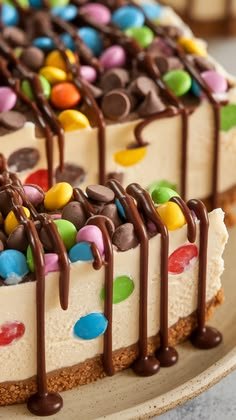
Classic cheesecake is defined by a pleasing contrast of textures and flavors. Its filling is made with cream cheese, giving each slice a smooth, substantial center with a gentle tang. Beneath it, a graham cracker crust adds a crisp, buttery base, lightly sweet and toasted around the edges. Together, these elements create a dessert that feels rich without relying on sweetness alone. The creamy filling softens the crunch of the crust, while the crumbs provide a welcome counterpoint to every forkful. This balance is what makes the familiar combination so enduring.
A well-made cheesecake should feel even from edge to center. The filling is dense enough to hold its shape, yet tender and silky rather than heavy or grainy. A mild tang keeps the cream cheese flavor lively, and a restrained amount of sugar lets its natural richness remain noticeable. The crust contributes a warm, toasted note and a touch of salt, helping round out the flavor. Neither layer needs to dominate: the best bites bring together creamy, crisp, buttery, and gently sweet qualities in a single mouthful.
Appearance and serving texture matter, too. When properly set and chilled, cheesecake can be cut into neat slices with smooth sides and a clean edge. The base should stay intact beneath the filling, offering enough firmness to support each piece without becoming hard or crumbly. These details make the dessert feel polished while keeping its appeal rooted in simple ingredients. Whether served plain or with a modest topping, classic cheesecake delivers an indulgent experience that is balanced, composed, and satisfying. Its familiar flavors suit celebrations and casual meals alike, making each slice feel special without being overly sweet.
A graham cracker crust does more than support a cheesecake filling. It provides a firm base that can be sliced and served cleanly, while adding a toasted, buttery flavor to the creamy center. Its texture depends on a simple balance of finely crushed graham crackers, melted butter, and sugar. The crumbs form the structure, butter binds them, and sugar contributes sweetness and helps the crust brown. Use crumbs that are consistently fine so they pack together evenly; large pieces can leave weak spots that break when the cake is cut.
Proportions matter. If the mixture contains too little butter, it may feel dry and fall apart when pressed or sliced. Too much butter can make the base greasy or dense. A useful starting point is enough melted butter to moisten the crumbs so they hold their shape when squeezed, with sugar added to taste and according to the recipe. Mix thoroughly, then transfer the crumbs to the pan. Press them firmly and evenly across the bottom using the flat base of a measuring cup or glass. Compacting the mixture helps prevent crumbling, but avoid creating an excessively hard layer.
The crust can extend slightly up the sides of the pan if a thicker edge is preferred; keep the height even so it bakes consistently. To help the base stay crisp beneath the filling, either pre-bake it briefly or chill it until firm before adding the batter. Pre-baking sets the butter and lightly toasts the crumbs, developing a deeper flavor. Follow the recipe’s temperature and timing, since a crust can overbrown while the cheesecake bakes. Most importantly, let a pre-baked crust cool completely before pouring in the filling. Adding batter while the base is hot may affect its texture and can warm the mixture unevenly. A well-prepared crust should remain cohesive under the cheesecake without overpowering its smooth, creamy texture.
A classic cheesecake filling depends on a short list of ingredients handled with care. Use cream cheese for a rich, stable texture, granulated sugar for sweetness, and eggs to bind the mixture as it bakes. Vanilla adds warmth without competing with the dairy flavor. A small amount of sour cream brings gentle tang and helps keep the center tender; plain yogurt or crème fraîche can serve as an alternative. Whatever dairy ingredient you choose, measure it accurately so the filling stays creamy rather than loose. This balance creates the smooth texture and richness associated with traditional cheesecake.
For an even batter, bring the cream cheese, eggs, and sour cream to room temperature before you begin. Cold ingredients are harder to blend and may leave small lumps, even after extended mixing. Beat the softened cream cheese first, using a mixer on low or medium speed, until it is completely smooth. Scrape the bowl and beater as needed so no firm pieces remain at the edges or bottom. Add the sugar and mix until incorporated, then blend in the sour cream and vanilla. Pausing to scrape the bowl helps produce a consistent filling without requiring vigorous mixing.
Add the eggs one at a time, mixing on low speed only until each disappears into the batter. Avoid whipping or beating for longer than necessary: excess air trapped in the mixture expands in the oven, then contracts as the cheesecake cools, which can encourage cracks or an uneven texture. The finished batter should look silky and thick, pour steadily from a spatula, and contain no visible lumps. If a few small pockets remain, gently fold the mixture by hand rather than continuing to beat it. Careful, restrained mixing supports a tender, creamy center that bakes evenly.
Bake the cheesecake at a moderate temperature, usually around 325°F (165°C), so the filling cooks gently without browning too quickly. For especially even results, set the springform pan inside a larger roasting pan and pour hot water into the outer pan until it reaches about halfway up the sides. This water bath helps maintain a moist, steady environment and can reduce the risk of cracks. Wrap the springform pan securely in foil first to keep water from seeping into the crust. If you prefer not to use a water bath, bake on the center rack and avoid opening the oven repeatedly, since sudden temperature changes can affect the texture.
Begin checking for doneness near the end of the suggested baking time. The edges should look set and slightly puffed, while the center should retain a small, gentle wobble when the pan is nudged. It will continue to firm as it cools, so avoid baking until the entire surface feels rigid; overbaking can make the filling dry or cause cracks. When it reaches this stage, turn off the oven, leave the door slightly ajar, and let the cheesecake rest inside for about an hour. This gradual change in temperature helps prevent a sudden collapse. Then transfer it to a rack and cool at room temperature until no longer warm.
Cover the cooled cheesecake and refrigerate it for at least four hours, preferably overnight. Chilling gives the filling time to become firm enough to slice cleanly and allows its creamy flavor to develop. Before serving, run a thin knife around the edge to loosen the cake from the pan, then release the springform sides carefully. For neat portions, dip a sharp knife in warm water and wipe it clean between each cut. Serve slices plain to highlight the buttery crust and rich filling, or add fresh berries or a spoonful of fruit sauce for a bright contrast. Keep any leftovers covered in the refrigerator.