
Understanding Inflammation and Its Effects on Health
Inflammation is the body’s natural response to injury or infection, acting as a protective mechanism to promote healing. It manifests in two primary forms: acute and chronic inflammation. Acute inflammation occurs suddenly and resolves quickly, often characterized by symptoms like redness, swelling, and pain. This type of inflammation is typically beneficial, as it plays a crucial role in recovery from injuries or infections. However, chronic inflammation, which persists over a prolonged period, can lead to more serious health issues.
Thank you for reading this post, don't forget to subscribe!Chronic inflammation is associated with various diseases, including heart disease, diabetes, and arthritis. In these cases, the immune system remains active, triggering a continuous inflammatory response. Over time, this ongoing inflammation can damage healthy cells, tissues, and organs. For instance, chronic inflammation in the cardiovascular system can contribute to the buildup of plaque in arteries, increasing the risk of heart attack and stroke. Similarly, individuals with diabetes often experience an inflammatory response that can lead to insulin resistance, complicating blood sugar management.
The connection between chronic inflammation and conditions such as arthritis is also significant. In inflammatory forms of arthritis, such as rheumatoid arthritis, the immune system mistakenly attacks joint tissues, leading to pain, stiffness, and potential joint damage. Therefore, a comprehensive understanding of inflammation is essential, as it informs approaches to preventing and managing these chronic conditions.
Incorporating anti-inflammatory foods into the diet can play a pivotal role in combating chronic inflammation. This dietary strategy not only provides necessary nutrients but also helps to mitigate the inflammatory processes in the body. In the following sections, we will explore various foods that can help reduce inflammation and improve overall health.
Identifying Anti-Inflammatory Foods
Inflammation is a natural response of the body’s immune system, but chronic inflammation can lead to various health issues, including heart disease, diabetes, and arthritis. Incorporating anti-inflammatory foods into your diet can significantly help combat these effects. A variety of foods possess natural properties that may assist in reducing inflammation.
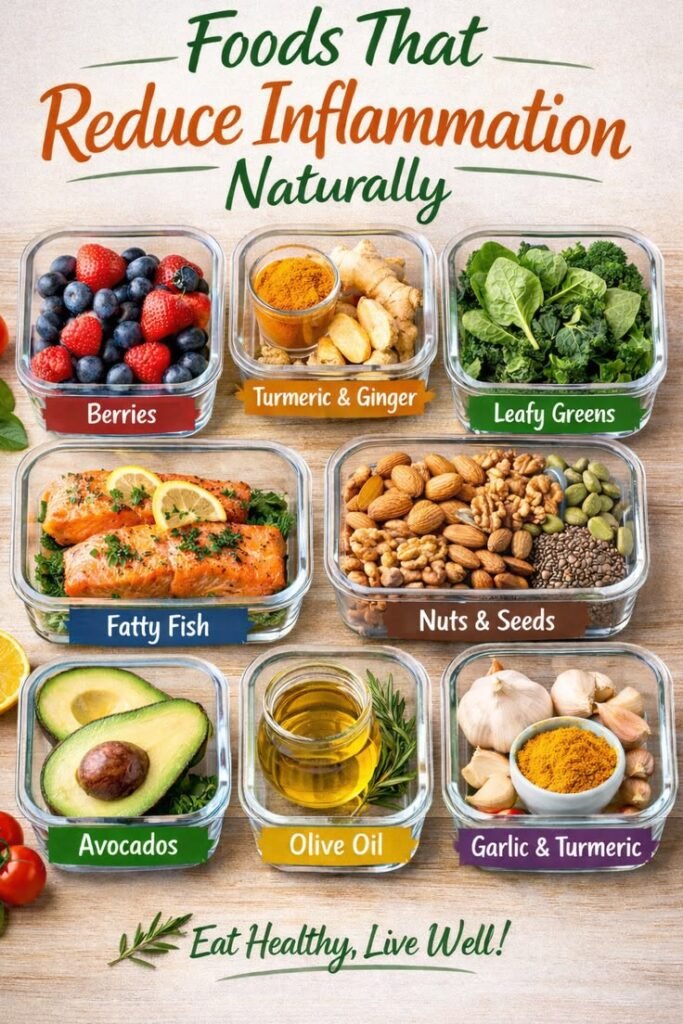
First on the list are fruits, particularly berries such as blueberries, strawberries, and raspberries. These fruits are rich in antioxidants called flavonoids, which have been shown to lower inflammation and reduce oxidative stress. Similarly, citrus fruits like oranges and lemons provide vitamin C and polyphenols that aid in fighting inflammation.
Vegetables also play an essential role in any anti-inflammatory diet. Leafy greens such as spinach, kale, and collard greens are packed with nutrients and anti-inflammatory compounds. Cruciferous vegetables, including broccoli and Brussels sprouts, contain sulforaphane, known for its ability to inhibit inflammation response in the body.
Whole grains represent another category that can contribute to inflammation reduction. Foods such as brown rice, quinoa, and whole oats are high in fiber, which can help lower levels of inflammatory markers in the body. Additionally, nuts and seeds are great choices, particularly walnuts and flaxseeds, which are rich in omega-3 fatty acids—elements recognized for their potent anti-inflammatory properties.
Finally, specific spices, such as turmeric and ginger, have long been recognized for their health benefits. Turmeric, containing curcumin, has been extensively studied for its anti-inflammatory effects, while ginger has compounds that can also combat inflammation. Adding these spices to meals not only enhances flavor but also promotes better health.
Overall, a diverse array of anti-inflammatory foods can be integrated into one’s diet to mitigate chronic inflammation and improve overall wellness. Each food item targets inflammation differently, contributing to a well-rounded approach to preventive health.
Practical Tips for Adding Anti-Inflammatory Foods to Your Diet
Incorporating anti-inflammatory foods into your diet can be both simple and enjoyable. To start, consider creating a meal plan that emphasizes these foods. Aim to include a variety of fruits, vegetables, whole grains, healthy fats, and lean proteins in your weekly menu. For instance, a typical day could begin with a breakfast of oatmeal topped with berries and nuts, followed by a lunch of leafy greens with avocado, grilled salmon, and a vinaigrette made from olive oil.
For dinner, focus on colorful vegetables roasted with spices such as turmeric and ginger, paired with quinoa or brown rice. These additions not only enhance flavor but also offer numerous health benefits. Snack options can include almonds, raw veggies with hummus, or yogurt with fruit, providing convenient and healthy choices that support an anti-inflammatory diet.
When shopping for groceries, make a list that includes seasonal produce to ensure freshness and optimal nutrient content. Explore local farmers’ markets to find organic fruits and vegetables, which may offer higher levels of antioxidants. Additionally, incorporating canned or frozen options can provide convenience without sacrificing nutrition. For example, frozen berries can be added to smoothies, while canned beans can be integrated into salads or soups, helping improve fiber intake and reducing inflammation.
Finally, consider meal prepping as a strategy to simplify your cooking routine. Prepare larger batches of anti-inflammatory dishes and store them in individual portions for easy access throughout the week. This not only saves time but also makes it more likely that you will maintain a focus on incorporating anti-inflammatory foods into your diet consistently. By following these practical suggestions, you can make the transition seamless and sustainable, contributing positively to your overall health.
Incorporating Lifestyle Changes for Better Results
In today’s fast-paced world, merely adopting a diet rich in anti-inflammatory foods is not sufficient for achieving optimal health and wellness. To enhance the benefits of an anti-inflammatory diet, individuals should consider integrating complementary lifestyle changes. These modifications may include regular exercise, adequate sleep, and effective stress management techniques, all of which play a vital role in reducing inflammation and promoting overall wellbeing.
Regular physical activity is one of the most effective means to combat inflammation. Exercise has been shown to lower levels of pro-inflammatory markers in the body while boosting the production of anti-inflammatory proteins. Engaging in aerobic exercises, strength training, and flexibility workouts can contribute to better cardiovascular health and improved immune function. Individuals are encouraged to pursue at least 150 minutes of moderate-intensity exercise each week, tailoring their regimen to fit their preferences and abilities.
Equally important is securing sufficient sleep. Research indicates that poor sleep quality can elevate inflammation levels, making adequate rest crucial for maintaining a balanced inflammatory response. To improve sleep hygiene, individuals should establish a regular sleep schedule, create a comfortable sleeping environment, and engage in relaxation practices before bedtime.
Furthermore, managing stress effectively is essential in minimizing inflammation. Chronic stress triggers the release of stress hormones, which can lead to an inflammatory state within the body. Mindfulness practices such as meditation, yoga, and deep-breathing exercises can assist in reducing stress levels, contributing to a holistic approach to health.
In conclusion, for a comprehensive approach to inflammation reduction, it is important to consider a multifaceted strategy that combines a diet rich in anti-inflammatory foods with lifestyle changes that promote overall health. This integrative approach not only fosters a better inflammatory response but also enhances one’s quality of life.

