
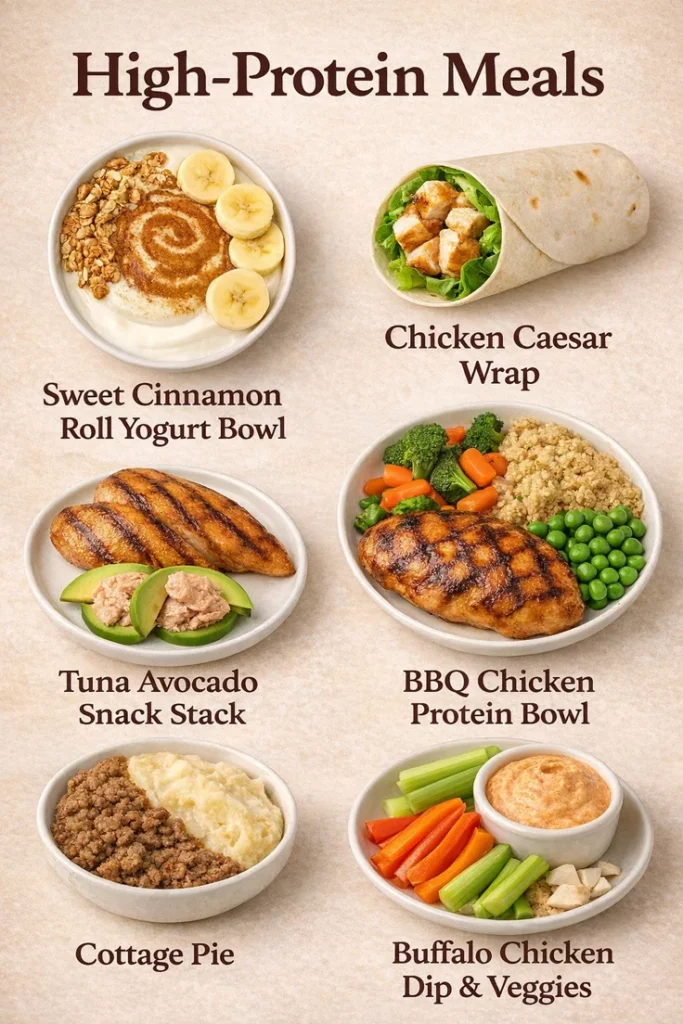
Understanding Protein and Satiety
Protein plays a crucial role in regulating feelings of fullness, also known as satiety. When consumed, protein influences various hormones associated with appetite control, notably ghrelin and peptide YY (PYY). Ghrelin, often called the “hunger hormone,” stimulates appetite, whereas PYY is released in response to food intake and contributes to the sensation of fullness. Studies indicate that diets high in protein can significantly reduce levels of ghrelin while increasing PYY, leading to enhanced feelings of satiety. This relationship is particularly advantageous for individuals aiming to manage their weight or improve their body composition.
Thank you for reading this post, don't forget to subscribe!Comparatively, protein has been shown to provide a greater sense of fullness than carbohydrates and fats. While all macronutrients contribute to satiation, protein stands out because it generates a more substantial thermal effect upon digestion, meaning the body uses more energy to metabolize protein than it does for carbohydrates or fats. This effect can be beneficial for weight management, as consuming higher levels of protein may result in decreased overall caloric intake while still maintaining a feeling of fullness.
The implications of incorporating high-protein meals into one’s diet extend beyond mere satiety. Research suggests that high-protein diets not only promote weight loss but also aid in muscle preservation during caloric restriction. This is particularly critical for those engaging in physical activities or strength training, where maintaining muscle mass is essential. Therefore, a focus on high-protein meals can provide significant benefits in both weight management and overall health. Incorporating sources of lean protein, such as poultry, fish, beans, and legumes into meals can optimize these effects and support a balanced dietary approach.
Delicious High-Protein Foods to Include in Your Meals
Incorporating high-protein foods into your daily meals is essential for maintaining a balanced diet and promoting satiety. Here, we present a comprehensive list of protein-rich foods, categorized into two main groups: animal-based and plant-based options.
Animal-based sources of protein are not only rich in protein but also provide vital nutrients. One excellent choice is chicken, particularly chicken breast, which contains about 31 grams of protein per 100 grams. Lean cuts of turkey and fish, such as salmon and tuna, also offer high protein content along with omega-3 fatty acids, which are beneficial for heart health. Eggs are another versatile option, providing approximately 6 grams of protein each, along with essential vitamins and minerals.
On the other hand, for those preferring plant-based options, legumes such as lentils, chickpeas, and black beans are excellent choices, boasting around 18 grams of protein per cooked cup. Furthermore, nuts and seeds, including almonds and chia seeds, provide protein, healthy fats, and fiber, making them ideal for snacks or meal additions.
To effectively incorporate these high-protein foods into your meals, consider preparing a chicken stir-fry loaded with vegetables, adding chickpeas to salads, or sprinkling chia seeds on your yogurt or oatmeal. Combining different protein sources can enrich the flavor and nutritional profile of your meals, ensuring they are not only delicious but also satisfying. By diversifying your protein intake with both animal and plant options, you can enjoy a well-rounded diet that promotes fullness and overall health.
Meal Ideas and Recipes for High-Protein Dishes
Incorporating high-protein meals into your diet is an effective strategy for promoting satiety and maintaining energy throughout the day. Below are several meal ideas that feature high-protein ingredients, suitable for every meal of the day.
Breakfast: Greek Yogurt Parfait
Preparation time: 10 minutes
Ingredients: 1 cup Greek yogurt, 1/2 cup mixed berries, 1/4 cup granola, and a drizzle of honey.
Method: Layer Greek yogurt with mixed berries and granola in a bowl. Finish with a drizzle of honey. This breakfast packs around 25 grams of protein and is both nutritious and delicious.
Lunch: Quinoa and Chickpea Salad
Preparation time: 15 minutes
Ingredients: 1 cup cooked quinoa, 1 can chickpeas (drained), diced cucumber, cherry tomatoes, and a vinaigrette dressing.
Method: Combine all ingredients in a large bowl and toss with dressing. This salad contains about 20 grams of protein and is a refreshing option for lunch.
Dinner: Grilled Salmon with Asparagus
Preparation time: 10 minutes | Cooking time: 15 minutes
Ingredients: 2 salmon fillets, 1 bunch asparagus, olive oil, and spices.
Method: Brush salmon and asparagus with olive oil and sprinkle with spices, then grill until cooked through. This dish offers approximately 30 grams of protein per serving, making it a hearty dinner choice.
Snack: Edamame Hummus
Preparation time: 10 minutes
Ingredients: 1 cup shelled edamame, 2 tablespoons tahini, lemon juice, garlic, and olive oil.
Method: Blend all ingredients until smooth. Serve with vegetable sticks or whole grain crackers. This snack is high in protein, providing about 10 grams per serving.
These meal ideas underscore the versatility and taste of high-protein dishes, allowing you to enjoy satisfying meals while meeting your nutritional goals effectively.
Tips for Maximizing Protein in Your Diet
Increasing protein intake can significantly enhance your satiety levels and overall nutrition. One effective strategy is meal prepping, which allows you to plan your high-protein meals ahead of time. By dedicating a few hours each week to preparing meals, you can ensure that each dish is fortified with adequate protein sources, such as lean meats, legumes, or dairy products. This not only saves time during busy weekdays but also reduces the temptation to opt for less nutritious, quicker options.
Smart grocery shopping is another key aspect of maximizing your protein intake. Opt for whole foods such as eggs, chicken, fish, and beans, which are all rich in protein. When selecting items, be mindful of labels indicating protein content. Incorporate a variety of sources; for instance, nuts and seeds can complement your meals while adding both flavor and nutrition. By diversifying protein sources, you also enhance the overall nutrient profile of your diet.
Pairing protein sources with other nutrients is an effective way to ensure balanced meals. For example, combining quinoa with black beans creates a complete protein, while adding vegetables enhances fiber content and nutrients. Similarly, incorporating healthy fats, such as avocado or olive oil, can contribute to satiety and overall health.
Lastly, focus on maintaining a well-balanced diet. Aim to include a source of protein in every meal and snack, be it through a Greek yogurt parfait for breakfast or a hearty chicken salad for lunch. This approach not only aids in maximizing protein consumption but also keeps your palate engaged and satisfied.
By implementing these practical strategies, you can significantly increase the protein content of your meals, ensuring you feel fuller for longer while enjoying a diverse and tasty diet.

