
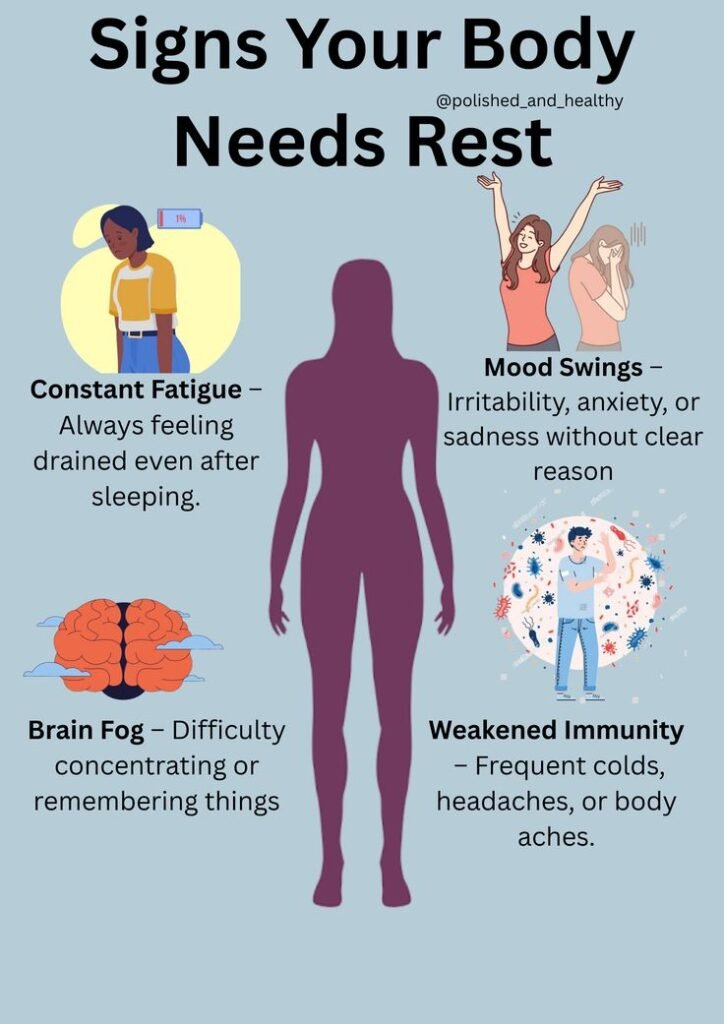
Understanding the Importance of Rest
Rest is a fundamental component of maintaining both physical and mental health. Scientific research continually highlights the critical role that adequate rest plays in restoring the body’s functions and rejuvenating the mind. Sufficient rest provides numerous benefits, including improved mood, enhanced cognitive function, and overall better health outcomes.
Thank you for reading this post, don't forget to subscribe!From a physiological perspective, rest allows the body to repair muscles, synthesize proteins, and release growth hormones, which are crucial for muscle development and repair. A well-rested individual is often more physically resilient, less prone to injuries, and experiences improved performance in physical activities. Furthermore, rest aids in maintaining a healthy immune system, making it integral to overall well-being.
On the cognitive front, adequate rest is essential for optimal brain function. It supports attention, decision-making, and problem-solving abilities. Studies have shown that insufficient rest can impair cognitive performance and lead to decreased productivity. Individuals who do not prioritize rest may also experience difficulties in learning and memory retention. When our minds do not receive the necessary recuperation, the likelihood of burnout increases significantly, which can trigger a cascade of psychological and physiological issues.
The relationship between insufficient rest and mental health cannot be overstated. Chronic lack of rest is associated with conditions such as anxiety and depression. Individuals often report heightened irritability, emotional instability, and an overall decline in their mood. Thus, recognizing when one’s body and mind are in need of more rest is crucial to prevent these adverse effects and foster a healthier, more balanced life.
Common Physical Signs of Needed Rest
The human body, with its intricate systems, often signals the need for rest through various physical symptoms. Recognizing these signs is crucial to maintain overall health and well-being. One of the most prominent indicators of requiring additional rest is fatigue. This state goes beyond mere tiredness; it encompasses a feeling of exhaustion that may not dissipate after a typical night’s sleep. Chronic fatigue can hinder cognitive function and reduce productivity, signaling an urgent need for rest.
Headaches are another common sign that your body may be in need of rest. These can manifest as tension headaches or migraines and often arise as a result of stress or lack of sleep. Persistent or frequent headaches should not be ignored, as they may indicate that your body is overwhelmed and in desperate need of downtime.
Muscle tension is yet another physical symptom that can arise when one doesn’t prioritize sufficient rest. Often, stress and a fast-paced lifestyle can lead to tightening in various muscle groups, particularly in the neck, shoulders, and back. This discomfort is often accompanied by stiffness or pain, suggesting that the body is struggling under the weight of insufficient recovery.
Changes in appetite can also reveal the body’s need for restorative practices. Some individuals may experience a decreased appetite, while others may find themselves overindulging in food as a coping mechanism for stress or fatigue. Both scenarios highlight an imbalance that typically stems from inadequate rest. Understanding these physical symptoms—fatigue, headaches, muscle tension, and appetite changes—can aid in making timely decisions to prioritize rest and recovery, ultimately leading to better physical and mental health.
Mental and Emotional Signs of Exhaustion
Recognizing the mental and emotional signs of exhaustion is essential for maintaining overall well-being. Often overlooked, these symptoms can significantly impact daily life and relationships. Among the most common signs of mental fatigue are increased irritability and heightened emotional sensitivity. A person may find themselves reacting more strongly to minor irritations, leading to conflicts at work or home. This emotional volatility can be a clear indicator that the body and mind are in need of rest.
Additionally, difficulty concentrating is another hallmark of exhaustion. Individuals may notice their thoughts are disorganized or that they frequently lose track of tasks. This decline in focus often hampers productivity and can lead to feelings of frustration or inadequacy. When the mind feels overwhelmed, it becomes increasingly challenging to process information effectively, resulting in a vicious cycle of stress and fatigue.
The feeling of being overwhelmed often accompanies these signs. Many individuals report a sense of impending anxiety, which can be debilitating. The connection between mental exhaustion and physical health cannot be overstated; both are interlinked. Chronic stress can lead to various physical ailments, including headaches, digestive issues, or prolonged fatigue. By addressing the signs of mental fatigue early, individuals can take proactive steps toward recovery, such as implementing strategies for self-care, relaxation, and adequate sleep. It is crucial to prioritize rest as a foundational aspect of mental health.
In light of these points, understanding the mental and emotional signs of exhaustion allows individuals to recognize when their body and mind require more rest. Awareness of these indicators promotes a holistic approach to well-being, enabling one to cultivate a healthier and more balanced life.
Strategies for Incorporating Rest into Your Life
Prioritizing rest is essential for maintaining both mental and physical health. To effectively integrate more rest into your daily routine, establishing clear boundaries is crucial. Setting limits on work hours and minimizing distractions can create a designated space for relaxation and recuperation. It is important to communicate these boundaries to colleagues and family members to foster an environment that supports your need for rest.
Practicing mindfulness is another effective way to incorporate rest. Engaging in mindfulness exercises, such as meditation or deep breathing, can enhance your ability to relax and reduce stress. Allocating even a few minutes each day to focus on your breath or surroundings can create a significant impact on your overall well-being. Mindfulness allows you to cultivate awareness of your body and mind, signaling when it is time to slow down and recharge.
Creating a restful environment in your home or workplace can further encourage relaxation. This can include decluttering your space, using calming colors, and incorporating elements of nature, such as plants or soft lighting. A peaceful atmosphere can significantly enhance your ability to unwind and escape from the stresses of daily life. Additionally, consider using aromatherapy with essential oils or soft music to promote a soothing ambiance.
Furthermore, prioritizing self-care is vital for maintaining balance in your life. Scheduling regular breaks throughout the day can prevent burnout and replenish your energy levels. Activities such as taking a walk, reading a book, or engaging in a hobby can serve as effective mental breaks, allowing your mind to reset. By being intentional about making time for rest, you are not only improving your health but also enhancing your productivity and overall quality of life.

