
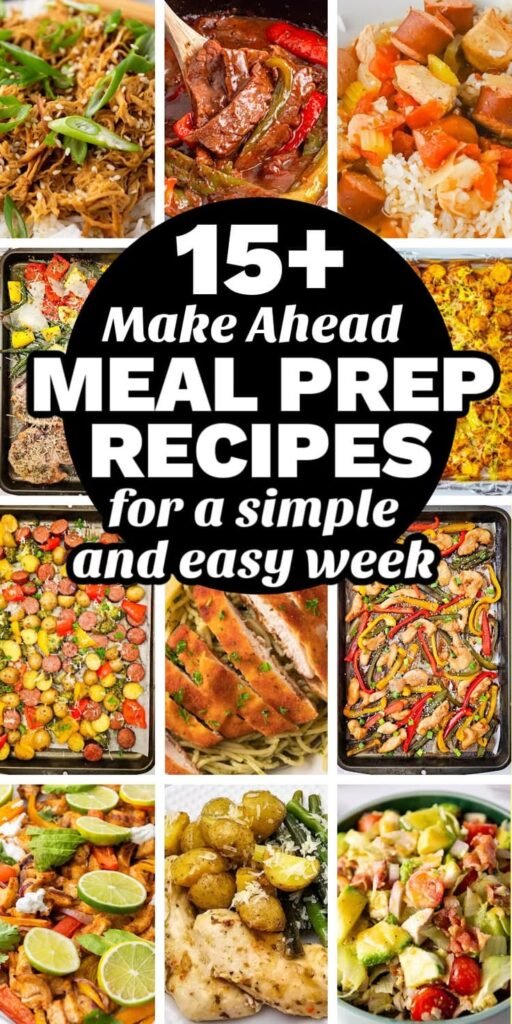
The Importance of Healthy Make-Ahead Meals
In today’s fast-paced world, the significance of healthy make-ahead meals cannot be overstated, particularly for individuals leading busy lives. The pressures of work, family obligations, and social commitments often leave little time for meal preparation, making it easy to resort to unhealthy fast food options. By preparing nutritious meals in advance, individuals can save considerable time throughout the week, allowing them to focus on other important tasks without compromising their dietary needs.
The act of making meals ahead of time not only streamlines the cooking process but also significantly reduces stress levels associated with daily meal planning. When meals are prepared in advance, there’s no need to rush through dinner-making after a long day. This foresight helps to eliminate the temptation to make impulsive food choices, which may not always align with health goals.
Moreover, healthy make-ahead meals play a crucial role in maintaining a balanced diet. By focusing on portion control and nutrition while preparing meals, individuals can ensure they consume a variety of essential nutrients. This practice promotes better eating habits as individuals tend to eat more fruits, vegetables, and whole grains when meals are consciously planned. As a result, preparing meals ahead encourages a lifestyle centered around health and well-being.
In addition to aiding in dietary maintenance, make-ahead meals can also foster a greater sense of culinary creativity and satisfaction. Experimenting with different recipes and ingredients while preparing meals in advance can be both rewarding and enjoyable. The routine of meal prep allows individuals to explore new food options without the usual time constraints, leading to healthier eating patterns over time.
Tips for Meal Prep Planning
Meal prep planning can significantly streamline your cooking process, particularly for those with busy lifestyles. To begin, creating a meal prep schedule is essential. Designate specific days of the week for preparation, and ensure these fit within your routine. For example, many people find that Sundays serve as an excellent day for meal prep, allowing them to start the week with organized meals.
A crucial element of effective meal preparation is maintaining an organized grocery shopping list. Ahead of your planned cooking day, draft a list of ingredients based on the recipes you intend to make. This will not only save time during your shopping trip but will also minimize the risk of purchasing unnecessary items. It is helpful to categorize the list by sections of the grocery store to make your shopping experience more efficient.
Batch cooking is another valuable strategy for meal prep, allowing you to prepare larger quantities of meals that can be refrigerated or frozen. Foods like soups, stews, and casseroles can be made in bulk and stored for later use. When utilizing batch cooking, it is essential to consider the shelf life of cooked meals. Labeling containers with dates can help ensure that meals are consumed before they spoil.
When selecting recipes for meal prep, opt for those that can stand up to storage without losing texture or flavor. Dishes that are versatile, such as grain bowls, stir-fries, or salads can be easily modified and can remain fresh for several days. Additionally, investing in proper containers is vital; look for BPA-free plastic or glass containers that are microwave and dishwasher safe. Using a variety of sizes will help accommodate different portions, making it easier to take meals on-the-go.
In summary, by adopting a systematic approach to meal prep, you can enhance your efficiency in the kitchen and ensure you have nutritious options readily available during your busy week.
15 Healthy Make-Ahead Meal Ideas
Busy individuals often find it challenging to maintain a nutritious diet due to time constraints. Here, we present a comprehensive list of 15 healthy make-ahead meal options that cater to a variety of dietary preferences, including vegetarian, vegan, gluten-free, and high-protein choices.
1. Quinoa Salad – Combine cooked quinoa, cherry tomatoes, cucumber, and black beans. Dress with olive oil and lemon juice for a refreshing and high-protein meal.
2. Vegetable Stir-Fry – Stir-fry your favorite vegetables such as bell peppers, broccoli, and carrots in sesame oil. Serve over brown rice for a hearty dish rich in nutrients.
3. Overnight Oats – Mix rolled oats with almond milk, chia seeds, and fresh fruits. Refrigerate overnight for a quick and filling breakfast option.
4. Chickpea Curry – Simmer chickpeas with coconut milk, diced tomatoes, and spices. This meal not only packs flavor but is also high in fiber and protein.
5. Baked Sweet Potatoes – Roast sweet potatoes and fill them with black beans, corn, and avocado. It’s a nutritious and satisfying meal perfect for any time of the day.
6. Lentil Soup – Prepare a hearty lentil soup with carrots, celery, and spices. This dish is full of protein and ideal for meal prepping.
7. Greek Yogurt Parfait – Layer Greek yogurt with granola and mixed berries. This makes for a high-protein snack or breakfast option.
8. Zucchini Noodles with Marinara – Spiralize zucchini and top with homemade marinara sauce. This gluten-free alternative is light yet satisfying.
9. Stuffed Peppers – Fill bell peppers with a mixture of quinoa, black beans, corn, and spices. Bake until tender for a vitamin-rich meal.
10. Egg Muffins – Beat eggs with spinach, cheese, and diced vegetables, then bake in muffin tins for a portable breakfast option.
11. Cauliflower Rice Tabbouleh – Substitute traditional bulgur with grated cauliflower for a low-carb tabbouleh salad packed with flavor.
12. Smoothie Packs – Pre-portion smoothie ingredients like fruits, spinach, and protein powder in freezer bags for an easy blend-and-go breakfast.
13. Peanut Butter Energy Bites – Combine oat flour, peanut butter, and honey for a quick snack that is high in energy and perfect for busy days.
14. Marinated Grilled Chicken – Marinate chicken breasts in olive oil, garlic, and herbs, then grill. Perfect for high-protein meals throughout the week.
15. Roasted Vegetable Medley – Roast seasonal vegetables like carrots, Brussels sprouts, and zucchini. This complements any meal and adds essential nutrients.
Each of these meal ideas offers a balance of essential nutrients, making them suitable choices for maintaining a healthy lifestyle even on the busiest days. Preparing meals in advance not only saves time but also ensures that nutritious options are readily available at any moment.
Storing and Reheating Make-Ahead Meals Safely
Storing and reheating make-ahead meals properly is essential for ensuring food safety and preserving the integrity of the meal. To begin with, it is advisable to portion out meals into individual servings before storage. This practice not only makes meal prep more manageable but also minimizes the risk of spoilage. When preparing meals in bulk, divide them into suitable containers, allowing for cooling before placing them in the fridge or freezer.
Regarding refrigerator storage, meals can typically be stored for 3 to 4 days. Any longer than this can increase the risk of foodborne illness. When freezing meals, ensure that they are stored in airtight containers or freezer bags to prevent freezer burn. Under optimal conditions, make-ahead meals can be frozen for 2 to 3 months without significant loss of quality.
Proper reheating techniques are equally important. When ready to consume your meals, ensure they are reheated to an internal temperature of 165°F (74°C) to eliminate any harmful bacteria. Using a microwave, stovetop, or oven are all effective methods for reheating, but each has its considerations. Microwaving can create uneven heating; therefore, stirring halfway through heating is recommended to distribute the temperature evenly.
For items stored in the freezer, always thaw meals in the refrigerator overnight or use the defrost setting on the microwave. Avoid leaving meals out at room temperature to thaw, as this increases the risk of bacterial growth. Additionally, if you prepare large batches, consider reheating only what you need to maintain quality and food safety standards. As a general rule, do not reheat meals more than once to ensure safety and prevent spoilage.