
Understanding Meal Prep Basics
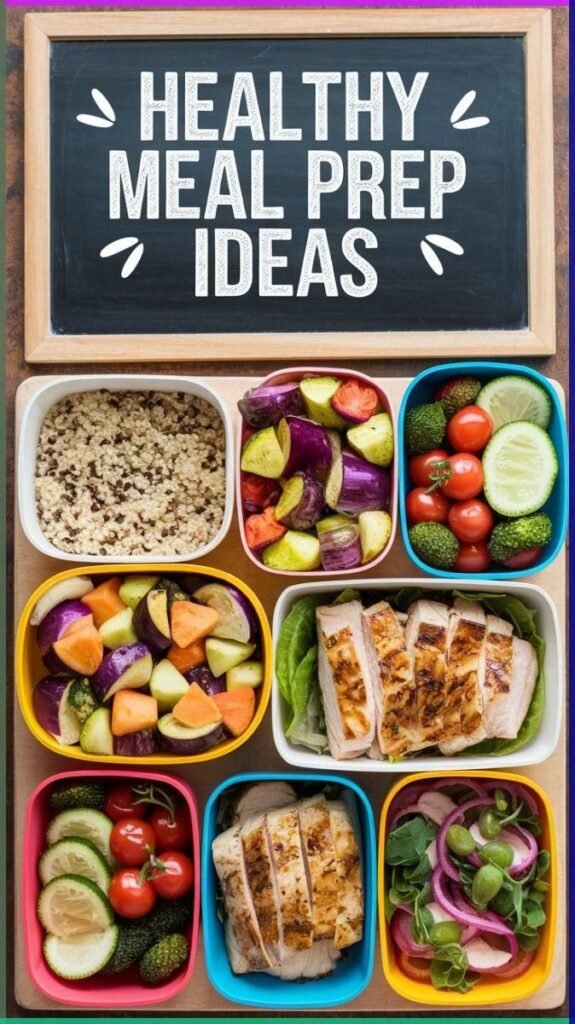
Meal prepping has increasingly become a popular strategy for individuals seeking to maintain a healthy diet while managing their busy schedules. At its core, meal prep involves preparing meals in advance, often for an entire week, which allows individuals to conveniently access nutritious food options throughout the week. This approach not only promotes better eating habits but also contributes to time savings, reduced stress, and minimized food waste.
The benefits of meal prepping are manifold. For starters, it provides the opportunity to plan meals with intention, ensuring that individuals adhere to dietary goals and make informed food choices. By dedicating a few hours on a particular day to cooking and organizing meals, one can alleviate the daily challenge of deciding what to eat, which can often lead to unhealthy, impulsive choices.
In addition, effective meal preparation allows for portion control, a key factor in maintaining a balanced diet. When meals are prepped in advance, it becomes easier to monitor portion sizes and avoid overeating. Furthermore, having ready-to-eat meals on hand reduces the temptation to resort to fast food or processed options that may be less nourishing.
Another crucial aspect of meal prepping is its time-efficiency. Planning meals for the week can lead to significant time savings. Instead of spending time each day cooking, meal prepping streamlines the process so that individuals only need to reheat meals or assemble ingredients as needed. This efficiency garners not just time but also energy, as cooking in bulk typically requires less work in the long run.
To effectively implement meal prep, individuals should begin by selecting recipes that align with their dietary preferences and goals. Creating a grocery list and strategically shopping can further enhance the efficiency of the process. Meal prepping encourages a proactive approach to eating, ultimately fostering a lifestyle marked by healthier choices and greater culinary satisfaction.
Creating Your Weekly Meal Plan
Creating a balanced meal plan for the week involves various considerations to ensure nutritional needs are met while accommodating personal preferences and ingredient availability. Begin by assessing your nutritional requirements, which can vary based on factors such as age, activity level, and dietary goals. It may be useful to consult with a nutritionist for personalized guidance.
Next, take into account your personal food preferences and any dietary restrictions. This step is crucial as it will help in selecting meals that you look forward to, thereby increasing the likelihood of adhering to your meal plan. Consider seasonal ingredients, as they not only enhance flavor but also tend to be more affordable and fresher. Incorporating a variety of fruits, vegetables, whole grains, and proteins will contribute to a well-rounded diet.
Once you have a clear understanding of your nutritional needs and preferences, it’s time to choose recipes. Aim for dishes that are simple to prepare and can be easily stored for later consumption. One approach is to select recipes that share common ingredients; this not only reduces waste but also streamlines the cooking process. Additionally, consider preparing meals that can be efficiently batch-cooked, such as soups, stews, and casseroles.
Take advantage of meal prep tools like containers and labels to keep everything organized and easily identifiable. When planning your week, designate specific days for meal preparation and set aside sufficient time to ensure you are not rushed. During this process, focus on creating a diverse menu, incorporating different proteins, grains, and seasonal vegetables to create a colorful and appealing meal experience. This not only satisfies hunger but also meets various nutritional goals.
By thoughtfully creating a weekly meal plan with these guidelines, you can streamline your meals, promote healthy eating habits, and reduce the stress associated with daily meal preparation.
Shopping Smart: Grocery List Essentials
Creating a grocery list based on your meal plan is a vital step in the meal preparation process. By compiling a detailed list, you can strategically navigate the grocery store, reducing the chances of impulse purchases and ensuring that you have all the necessary ingredients for your meals. A well-thought-out grocery list not only saves time but also helps you stick to your budget.
To begin, review your meal plan and note all the required ingredients for each recipe. It can be helpful to categorize your list into sections, such as produce, proteins, grains, and dairy. This organization can streamline your shopping experience, allowing you to move through the store more efficiently.
When shopping, consider the benefits of purchasing certain items in bulk. Staple items such as rice, pasta, and canned goods often come at a lower price when bought in larger quantities. This not only saves money in the long run but also ensures that you always have these essentials on hand. However, exercise caution and assess your storage capacity to avoid waste.
Choosing fresh produce is crucial for maximizing flavor and nutritional content in your meals. When selecting fruits and vegetables, look for items that are in season, as they tend to be fresher and more cost-effective. Inspect produce for firmness, vibrant color, and any signs of spoilage to ensure quality. Additionally, if possible, consider visiting local farmers’ markets for the freshest options available.
Furthermore, stick to your grocery list during your shopping trip. It helps to mentally or physically cross off items as you place them in your cart. This practice encourages discipline and decreases the likelihood of straying from your initial plan. In conclusion, taking the time to compile a thoughtful grocery list while emphasizing smart shopping techniques can significantly enhance your meal prep efficiency. Following these guidelines will ensure that your culinary endeavors are both successful and enjoyable.
Batch Cooking Techniques for Efficient Prep
Batch cooking is a strategic way of preparing meals that not only saves time but also supports a healthy lifestyle. Various cooking methods can be employed to maximize efficiency, including steaming, roasting, and stir-frying. Each of these techniques offers distinct advantages, allowing for a versatile array of dishes that cater to different tastes and nutritional needs.
Steaming is a highly effective method for preserving the nutrients in vegetables and proteins. This technique allows food to cook thoroughly without losing moisture, making it ideal for batch cooking. Using a steamer basket or an electric steamer can streamline the process, enabling you to cook multiple items simultaneously. Foods such as broccoli, carrots, and fish fillets can be prepared quickly using this method, resulting in nutrient-rich meals ready for the week.
Roasting is another technique that enhances the flavor of ingredients while requiring minimal hands-on time. By tossing vegetables and proteins with a drizzle of oil and seasonings and placing them in the oven, one can create beautifully caramelized meals. Roasted items can last in the refrigerator for up to a week, making them perfect for meal prepping. Varieties like sweet potatoes, bell peppers, and chicken thighs can be roasted in bulk, packaged, and stored efficiently.
Stir-frying is a fast cooking technique that involves high heat and frequent stirring, suitable for incorporating a range of vegetables and proteins. Utilizing a wok or a large skillet allows for quick cooking, ensuring that food retains its crispness and flavor. This technique is particularly useful for creating stir-fry bowls or mixed protein dishes, combining various ingredients to keep meals exciting throughout the week.
To maintain the freshness of meals prepared in advance, effective storage is paramount. Utilizing airtight containers is essential to prevent spoilage. Labeling and dating each container also assists in ensuring that meals are consumed within their optimal timeframe. For longer storage, consider freezing portions for easy reheating later. Reheating your meals properly, whether in the microwave or oven, also enhances the eating experience, helping to retain texture and flavor. Organizing your fridge or freezer by grouping similar items together can ease the process of selecting meals during the week, contributing to a streamlined cooking plan.