
Understanding Your Budget and Meal Planning
Establishing a realistic food budget is a critical first step in managing expenses effectively, especially for individuals and families seeking to eat nutritious meals without overspending. The key to making the most of limited resources lies in understanding current food expenses and identifying areas where savings can be achieved. A thorough assessment of past grocery bills can illuminate spending habits, the frequency of purchases, and highlight overpriced items that may be unnecessary.
To gain a clearer picture of one’s food budget, it is advisable to track expenses over several weeks. This may involve keeping receipts or utilizing budgeting apps that categorize expenses. Once a comprehensive understanding of spending is achieved, individuals can identify patterns that lead to overspending, such as impulse buys or frequent dining out. From here, people can implement strategies designed to curb these habits, including setting spending caps or planning meals that utilize versatile ingredients.
Meal planning emerges as a valuable strategy in maximizing nutrition while minimizing costs. By creating a weekly meal plan, individuals can select recipes that match their budget and make careful choices about ingredient purchases. This planning phase allows a focus on seasonal produce, which is often more affordable and nutrient-rich. Additionally, incorporating bulk purchases of grains, legumes, and frozen vegetables can contribute to significant savings.
When designing a meal plan, it is essential to consider nutritional balance, ensuring meals are wholesome while not exceeding budget constraints. Aim to incorporate a variety of food groups throughout the week, which can include proteins, whole grains, fruits, and vegetables. Furthermore, batch cooking can enhance efficiency and minimize waste, allowing leftovers to be used effectively in subsequent meals. By practicing thoughtful meal planning alongside a clear understanding of one’s budget, individuals can enjoy healthy and satisfying meals without straining their finances.
Choosing Affordable and Nutritious Ingredients
In the pursuit of maintaining a healthy diet while adhering to a strict budget, selecting the right ingredients becomes paramount. It is important to focus on affordable and nutritious options that provide value without compromising health. This entails understanding how to choose seasonal produce, purchase in bulk, and opt for generic store brands, all of which can lead to significant savings.
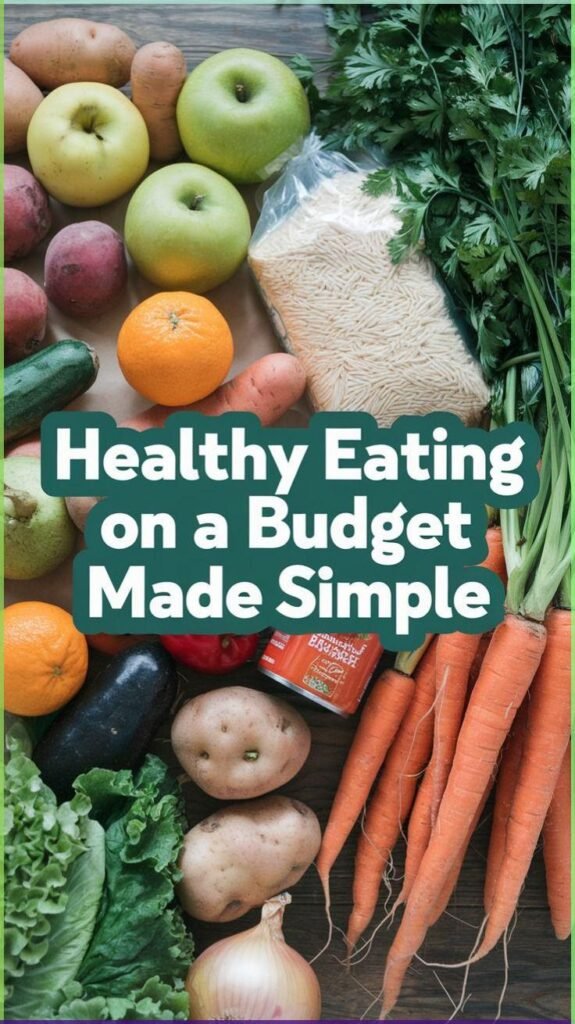
Seasonal produce often represents the best value for money, as it is generally fresher and more nutritious. Fruits and vegetables that are in season not only taste better but also tend to be less expensive since they do not incur the costs associated with long-distance transportation. For instance, incorporating vegetables like zucchini in summer and root crops like carrots in winter can help in maintaining a varied diet while sticking to a budget. Additionally, local farmer’s markets can often provide affordable choices that support community agriculture.
Buying in bulk is another effective strategy for cost savings. Foods like legumes, whole grains, and nuts can often be purchased in larger quantities at a lower price per unit. These items are not only cheap but also packed with essential nutrients. For example, lentils and beans are excellent sources of protein and fiber, making them ideal for healthy meals. Whole grains such as brown rice, quinoa, and oats are also nourishing options that can fill a person up at minimal cost.
When shopping for staples, opting for store brands can also lead to savings without a decline in quality. In many cases, these products are produced by the same manufacturers as name brands but are sold at lower prices. Hence, it is possible to maintain a healthy diet with nutritious ingredients while remaining conscious of the budget.
In conclusion, selecting affordable and nutritious ingredients is achievable through mindful shopping practices, focusing on seasonal produce, bulk purchasing, and choosing store brands. By implementing these strategies, individuals can create balanced meals that are both healthy and budget-friendly.
Cooking Techniques for Cost-Effective Meals
Adopting cost-effective cooking techniques is an effective way to maintain a healthy diet while staying within a tight budget. Several methods can help in achieving this, including batch cooking, meal prepping, and creatively using leftovers.
Batch cooking is particularly beneficial for individuals or families who find it challenging to prepare meals every day due to time constraints. By dedicating a few hours each week to prepare larger quantities of meals, the cooking time can be significantly reduced on busy weekdays. Examples of dishes that lend themselves well to batch cooking include soups, stews, and casseroles, which can be portioned out and frozen for later use. This not only saves time but also allows for utilizing seasonal produce, leading to healthier dishes at a lower overall cost.
Meal prepping goes a step further by organizing the ingredients and meals in advance, which can include chopping vegetables or marinating proteins. This method allows for easier access to healthy components during the week, reducing the temptation to order takeout or choose unhealthy convenience foods. A common practice among those who meal prep includes preparing complete meals in jars, such as salads or grain bowls, which can be easily grabbed when on the go.
Creative utilization of leftovers can also greatly reduce costs and food waste. Leftover vegetables can be transformed into stir-fries, soups, or even frittatas, ensuring that nothing goes to waste. For instance, a roast chicken can serve as a base for multiple meals across the week, such as chicken salad, tacos, or a hearty soup. Such techniques not only make cooking budget-friendly but also support a sustainable food practice.
In conclusion, employing methods like batch cooking, meal prepping, and creatively using leftovers allows individuals to prepare healthy meals affordably. These techniques not only maximize ingredients but also promote a more mindful approach to cooking, making it easier to enjoy a nutritious diet on a budget.
Smart Shopping Tips to Maximize Savings
Grocery shopping can be a significant expense, particularly for those seeking to maintain healthy eating habits on a tight budget. However, with careful planning and resourcefulness, it is possible to save money while still purchasing nutritious food. One of the most effective strategies is to create a shopping list before heading to the store. This practice not only helps prioritize needed items but also reduces impulse buying, which can lead to unnecessary expenditures.
Utilizing coupons is another beneficial method that can significantly lower grocery bills. Many grocery stores offer digital coupon programs, and consumers can also find physical coupons in newspapers or online. By integrating coupon usage with the shopping list, shoppers can maximize their savings while adhering to their meal plans.
Comparing prices is essential when shopping for groceries. Different stores often have varying prices for the same products. By taking the time to check prices at multiple retailers, shoppers can identify the most cost-effective options. Furthermore, it can be advantageous to buy in bulk for items that are non-perishable or can be frozen, as this can lead to substantial savings over time.
Shopping at farmers’ markets and discount grocery stores also presents an opportunity to purchase fresh produce and staple foods at lower costs. Farmers’ markets often provide seasonal items at prices that can be more competitive than conventional supermarket prices. Additionally, discount grocery stores typically carry a range of products at reduced costs, making them a valuable resource for budget-conscious shoppers.
Finally, utilizing grocery apps or loyalty programs can help track expenses and offer personalized discounts. Many apps provide price comparisons and store-specific deals, while loyalty programs can reward frequent shoppers with savings that accumulate over time. By implementing these practical shopping strategies, individuals can effectively manage their grocery budgets while shopping for healthy meals.