
Understanding Fiber: What It Is and Why It Matters
Dietary fiber is a crucial component of a healthy diet, primarily derived from plant-based foods. It is classified into two main types: soluble and insoluble fiber. Soluble fiber dissolves in water and forms a gel-like substance in the digestive tract. It aids in slowing down digestion, which can help regulate blood sugar levels and lower cholesterol. Foods rich in soluble fiber include oats, beans, lentils, apples, and citrus fruits.
Thank you for reading this post, don't forget to subscribe!In contrast, insoluble fiber does not dissolve in water; instead, it adds bulk to the stool and promotes regular bowel movements. This type of fiber can be found in whole grains, nuts, seeds, and vegetables such as cauliflower and carrots. Both types of fiber play an essential role in supporting digestion and maintaining gastrointestinal health.
The physiological benefits of fiber extend beyond digestion. Regular consumption of adequate fiber can help with weight management by promoting a feeling of fullness, potentially reducing overall calorie intake. Additionally, fiber assists in controlling blood sugar levels, making it valuable for individuals with diabetes or those at risk of developing the condition. Research has shown that a high-fiber diet may also lower the risk of developing chronic diseases, including heart disease, certain cancers, and type 2 diabetes.
The recommended daily intake of fiber is approximately 25 grams for adult women and 38 grams for adult men. However, many individuals fall short of these guidelines, often consuming only around 15 grams daily. This shortfall can lead to various health issues, emphasizing the importance of increasing fiber intake for better overall health.
Health Benefits of a High-Fiber Diet
A high-fiber diet is associated with numerous health benefits that can significantly improve an individual’s overall well-being. One of the primary advantages of dietary fiber is its ability to aid in digestion. Fiber adds bulk to the stool and promotes regular bowel movements, which can prevent constipation and enhance gut health. Soluble fiber, in particular, can help maintain a healthy gut microbiome, which is crucial for optimal digestion and overall health.
In addition to promoting digestive health, fiber plays a vital role in promoting satiety. Incorporating fiber-rich foods into meals can help individuals feel fuller for a longer period, which may contribute to better appetite control and a reduction in overall caloric intake. This can be particularly beneficial for those looking to manage their weight. Studies have shown that individuals who consume a diet high in fiber tend to have a lower risk of obesity.
Moreover, fiber is instrumental in managing blood sugar levels. By slowing the absorption of sugar into the bloodstream, fiber helps in regulating blood sugar, making it beneficial for individuals with diabetes or those at risk of developing the condition. This can lead to better management of energy levels and less frequent spikes in hunger.
Furthermore, a diet rich in fiber has been linked to the prevention of several serious health conditions. Research indicates that high fiber intake is associated with a reduced risk of colorectal cancer and cardiovascular diseases. The protective effects are believed to arise from fiber’s physiological benefits, such as improving cholesterol levels and maintaining healthy blood pressure.
To illustrate these benefits, a study published in the “American Journal of Clinical Nutrition” found that adults consuming more than 25 grams of fiber daily had a significantly lower risk of developing heart disease compared to those consuming less than 15 grams. With compelling evidence backing these health benefits, it is clear that increasing fiber intake is a positive step towards improved health and well-being.
Ways to Increase Fiber Intake
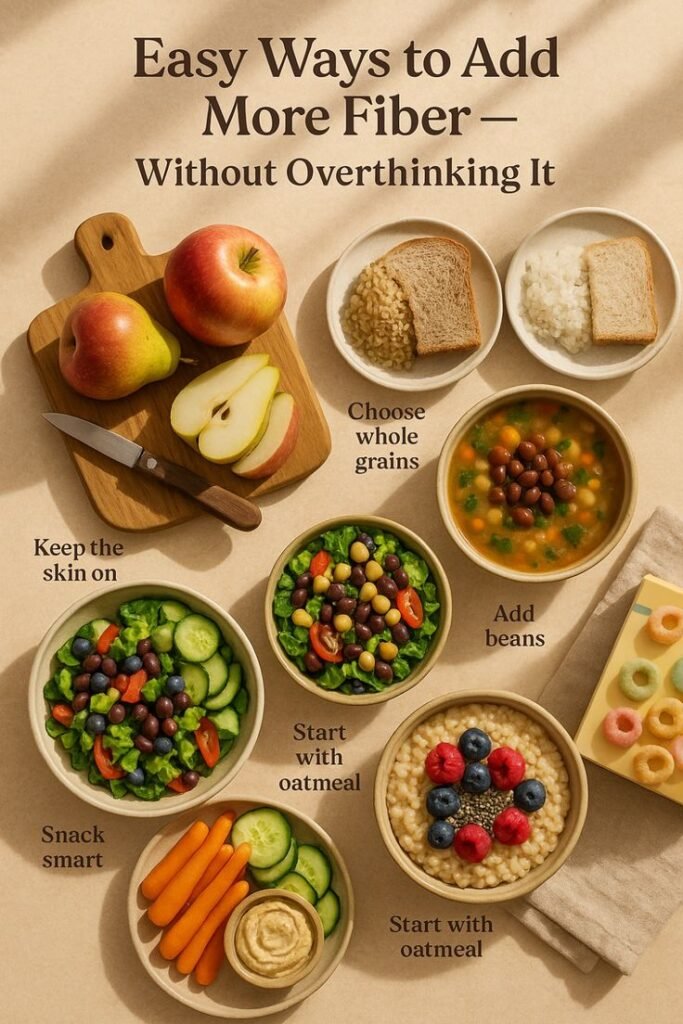
Boosting fiber intake is a practical step towards enhancing overall health. A simple approach is to incorporate more high-fiber foods into your diet. Fruits, vegetables, whole grains, legumes, and nuts are some of the best sources of dietary fiber. To start, consider adding fruits such as apples, pears, and berries to your breakfasts, snacks, and even desserts. These can easily replace less nutritious options while providing a rich source of vitamins and fiber.
Vegetables should also play a significant role in daily meals. Aim to fill half your plate with a variety of colorful vegetables, particularly those high in fiber like broccoli, Brussels sprouts, and carrots. Incorporating legumes like lentils, chickpeas, and black beans can greatly enhance the fiber content of salads and soups. Moreover, these foods are not only nourishing but also versatile, adding texture and flavour.
Whole grains are another vital source of fiber. Substitute refined grains with whole grains, such as choosing brown rice, quinoa, or whole-grain bread instead of white rice and white bread. This simple switch can significantly increase your fiber intake. Additionally, consider preparing meals that feature beans and lentils as a primary ingredient, such as hearty bean salads or lentil stews, to further boost fiber consumption.
For those accustomed to low-fiber diets, it is advisable to gradually increase fiber intake to minimize gastrointestinal discomfort. Begin by adding a small serving of high-fiber foods each day and slowly increase the portion sizes over time. This gradual approach will allow your digestive system to adapt while still reaping the health benefits of a fiber-rich diet. Snacking on nuts and seeds, as well as opting for whole grain snacks, can also aid in achieving daily fiber goals.
Tips for Maintaining a Fiber-Rich Diet
Incorporating more fiber into your diet can be a beneficial change, but maintaining a fiber-rich lifestyle requires intentional effort. One effective strategy is to educate yourself about the fiber content in various foods. When shopping, take the time to read nutrition labels, which will inform you of the total dietary fiber per serving. Look for foods that offer at least 3 grams of fiber per serving, as these can contribute significantly to your daily intake.
Cooking methods also play a crucial role in preserving the fiber content of your meals. Steaming, sautéing, or baking vegetables retains more fiber compared to boiling, which can cause nutrient loss. Additionally, consider incorporating whole grains such as quinoa, brown rice, and barley into your meals. They not only provide fiber but also a range of essential nutrients. Meal prepping can further simplify this process; planning ahead allows you to create balanced meals that seamlessly integrate fiber-rich foods.
Despite the benefits of a high-fiber diet, individuals may encounter challenges when increasing their fiber intake. A common issue is digestive discomfort, particularly if fiber is added too quickly. To mitigate this, increase fiber gradually and ensure adequate hydration. Drinking enough water helps fiber move through the digestive tract effectively. Furthermore, balancing fiber with other nutrients, such as protein and healthy fats, can enhance overall satiety and digestive health.
Finally, be mindful of the types of fiber consumed. Soluble fiber, found in oats, apples, and legumes, can help regulate blood sugar levels, while insoluble fiber, abundant in nuts, seeds, and whole grains, promotes regularity. By addressing these factors, you can create a sustainable and enjoyable fiber-rich diet that supports your long-term health goals.

