
Understanding Electrolytes: What Are They?
Electrolytes are minerals present in the body that carry an electric charge. They are essential for numerous physiological functions, including nerve function, muscle contractions, hydration, and the maintenance of pH balance. The primary electrolytes in the human body include sodium, potassium, calcium, and magnesium, each playing a unique yet complementary role in overall health.
Thank you for reading this post, don't forget to subscribe!Sodium is vital for maintaining fluid balance and is critical for nerve transmission and muscle functions. It helps regulate blood pressure and volume, ensuring that the body’s homeostasis is maintained. Potassium, on the other hand, is crucial for proper cell function and plays a key role in muscle contractions and heartbeat regulation. Additionally, calcium is well-known for its role in bone health but is also essential for muscle contraction and neurotransmitter release. Magnesium contributes to over 300 biochemical reactions in the body, including energy production, muscle function, and nerve transmission.
Electrolytes can be obtained not just from sports drinks but also from an array of dietary sources. Foods such as bananas, oranges, spinach, and yogurt are rich in potassium, while dairy products and leafy greens provide an excellent source of calcium. Nuts, seeds, and whole grains enrich the diet with magnesium. Proper hydration is equally important; water contains minimal electrolytes, but beverages such as coconut water and electrolyte-infused drinks can help replenish lost minerals during exercise or in hot weather.
In view of their vital role in bodily functions, understanding electrolytes and ensuring an adequate intake through diet is crucial for maintaining health and preventing potential deficiencies. Their balance is particularly important for athletes and physically active individuals who may lose significant amounts during intense physical activity.
The Science Behind Sports Drinks
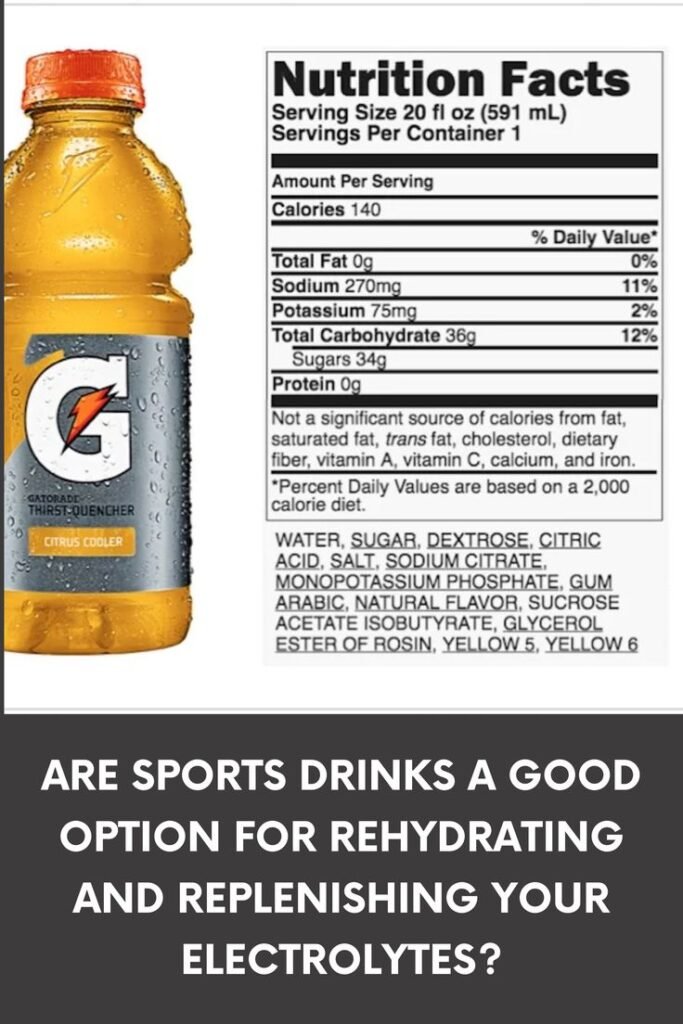
Sports drinks are specifically formulated beverages that aim to replenish fluids and essential nutrients lost during physical exertion. The primary components of these drinks include electrolytes, such as sodium, potassium, and magnesium, which play a crucial role in maintaining hydration and supporting muscle function. Additionally, sports drinks often contain carbohydrates, which provide a quick source of energy during prolonged exercise.
During intense physical activity, especially endurance events that last longer than an hour, the body loses electrolytes through sweat. The inclusion of added electrolytes in sports drinks serves to not only restore this loss but also to aid in the prevention of dehydration and cramping. By ensuring that electrolyte levels remain balanced, athletes can sustain their performance and recover more quickly.
In contrast, regular water is effective for most hydration needs, particularly during light to moderate exercise. When exercise activity is less intense or shorter in duration, water often suffices to maintain hydration levels. However, as the intensity and duration of physical activity increase, the advantages of consuming a sports drink become more apparent. For instance, during long-distance running, cycling, or competitive sports, the combination of fluid, carbohydrate, and electrolytes in sports drinks can significantly enhance endurance and reduce fatigue.
It is important to consider individual factors, such as personal hydration needs, the type and duration of exercise, and even taste preferences when deciding whether to opt for a sports drink or water. Athletes and fitness enthusiasts should evaluate their specific scenarios to choose the most effective hydration strategy.
Do You Really Need Sports Drinks?
Sports drinks are often marketed as essential for anyone engaging in physical activity, yet the reality is more nuanced. To determine whether you really need them, it is crucial to consider various factors such as the type and duration of exercise, individual sweat rates, and dietary habits.
Athletes, particularly those involved in prolonged, high-intensity sports such as running, cycling, or triathlons, may benefit from sports drinks. During extended workouts, these individuals lose significant amounts of electrolytes through sweat, necessitating replenishment. Sports drinks contain not only fluids but also carbohydrates and electrolytes, which can help sustain energy levels and prevent dehydration.
Conversely, casual exercisers engaged in lower-intensity activities, such as walking or light jogging, may not need the additional sugars and electrolytes provided by sports drinks. For these individuals, water is often sufficient for staying hydrated during and after exercise. Overconsumption of sports drinks in such cases can lead to unnecessary calorie intake and potential weight gain.
Another important aspect to evaluate is individual sweat rates, which can vary significantly from person to person. Those who sweat excessively might need more electrolytes than others, while those who sweat less can adequately hydrate with plain water. Consequently, it is advisable for individuals to pay attention to their body’s responses during and after physical activity according to their personal needs.
Moreover, the overall diet plays a crucial role in determining electrolyte balance. A well-rounded diet rich in fruits, vegetables, and whole grains may provide sufficient electrolytes, reducing the need for sports drinks. Therefore, assessing personal activity levels, sweat rates, and diet can help clarify the necessity of sports drinks in one’s regimen. Understanding these factors is pivotal in making informed decisions regarding hydration during exercise.
Alternatives to Sports Drinks: Natural Sources and Hydration Tips
While sports drinks are popular for their convenience, there are many natural alternatives that can effectively replenish electrolytes and maintain hydration. Consuming whole foods that are naturally rich in electrolytes is an excellent way to support your body’s needs without resorting to processed beverages.
One highly regarded source of potassium is the banana. This simple fruit not only provides essential electrolytes but also supplies energy, making it ideal for consumption before or after physical activity. Other potassium-rich foods include oranges, potatoes, and spinach. For calcium, dairy products such as yogurt and milk can offer substantial benefits. Non-dairy sources include almonds, leafy greens, and fortified plant milks.
In addition to these food sources, individuals can create homemade electrolyte drinks. A simple recipe involves mixing water with a pinch of salt, a squeeze of lemon or lime, and a bit of honey for sweetness. This concoction can help replenish lost minerals during physical exertion without relying on commercially available drink options.
Hydration strategies can vary depending on the type of activity being performed. For those involved in less intense or shorter duration workouts, water may suffice for hydration. However, during prolonged exercise or activities in excessively hot conditions, consuming beverages with electrolytes could be beneficial to prevent imbalances. It is vital to listen to your body and adjust your fluid intake based on your activity level and individual needs.
In situations where you anticipate heavy sweating, it is prudent to consume foods rich in electrolytes and consider homemade hydration solutions. Understanding the balance between water and electrolyte intake can help optimize performance, recovery, and overall health during physical activities.

