
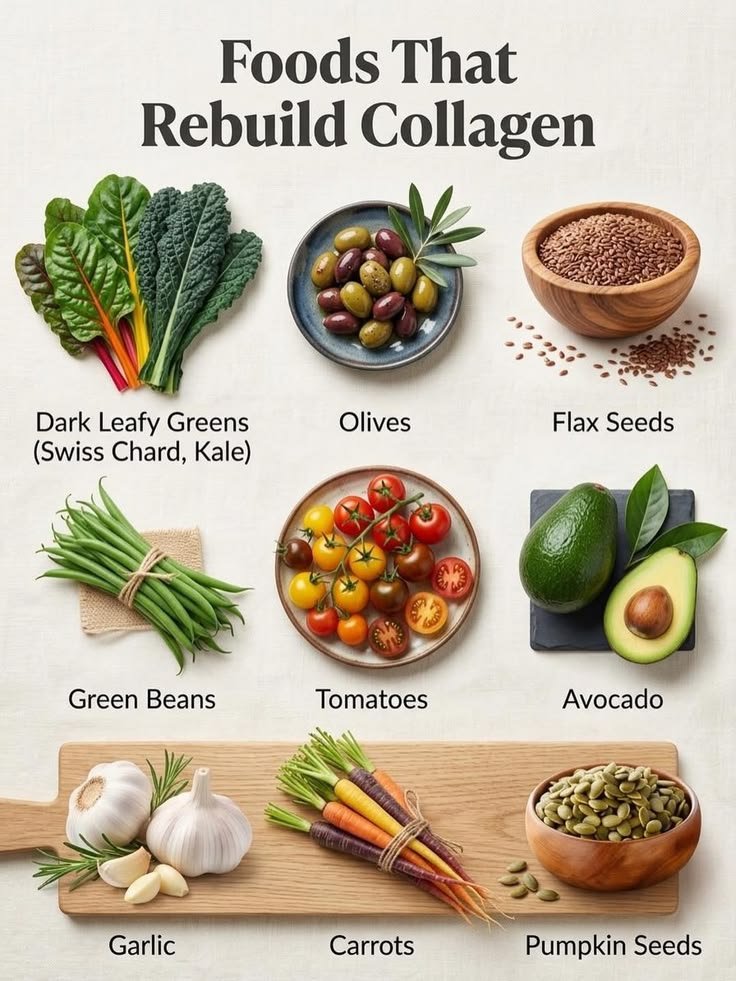
Understanding Collagen and Its Importance
Collagen is a vital protein that plays a crucial role in maintaining the structure and integrity of various tissues throughout the human body. It constitutes approximately 30% of the total protein content in the body, serving as a primary component of skin, bones, tendons, ligaments, and cartilage. The strength and elasticity provided by collagen ensure not only the resilience of our skin but also support the functionality of our joints and overall framework.
Thank you for reading this post, don't forget to subscribe!This protein is essential for skin health, as it contributes to skin elasticity, hydration, and the overall firmness of the dermis. With age, the body’s natural collagen production begins to decline, typically starting in our mid-20s. This decrease can lead to visible signs of aging, such as wrinkles, decreased skin hydration, and loose skin. Furthermore, a reduction in collagen affects joint health, potentially contributing to conditions such as osteoarthritis, where joints may become stiff and less resilient.
Besides its structural functions, collagen also plays a role in wound healing and tissue repair. It aids in the growth of new cells and the restoration of the skin barrier, making it crucial in recovery from injuries. Understanding the significance of collagen in our body underscores the importance of maintaining its levels through dietary choices and lifestyle practices.
In addition, various environmental factors, such as sun exposure and pollution, can also degrade collagen levels. Therefore, it is essential to address collagen depletion proactively. By incorporating specific foods that promote the natural production of collagen, individuals can support their skin and joint health while fostering overall wellness as they age. The continued research on collagen and its multifaceted roles highlights not only its importance but also the necessity to prioritize its maintenance in our daily lives.
Key Nutrients That Support Collagen Production
Collagen, a crucial protein in our bodies, provides structure to the skin, bones, tendons, and ligaments. To enhance collagen production naturally, it is vital to consume foods rich in the specific vitamins and minerals that promote its synthesis. Among these, Vitamin C stands out as a predominant player. This vitamin is essential for the formation of collagen, as it aids in the hydroxylation of collagen molecules, enabling them to maintain their integrity and strength. Without adequate Vitamin C, collagen synthesis can be significantly impaired, which may lead to skin aging and other connective tissue disorders.
Amino acids are also critical for collagen production. Specifically, proline and glycine are the building blocks of collagen, and they can be found in many protein-rich foods. Consuming adequate amounts of protein not only promotes overall health but also provides the necessary amino acids that the body needs to create collagen. Rich sources include meat, fish, dairy products, and eggs. Plant-based options such as legumes, nuts, and soy products can also supply these essential amino acids for those following vegetarian or vegan diets.
In addition to Vitamin C and amino acids, minerals like zinc and copper play supportive roles in collagen production. Zinc aids in the regulation of collagen synthesis and promotes skin healing, while copper is involved in cross-linking collagen fibers, contributing to their structural stability. Foods high in these minerals include shellfish, nuts, seeds, and whole grains. Incorporating a variety of these nutrient-dense foods into your diet will contribute significantly to maintaining optimal collagen levels and overall skin health.
Top Foods That Boost Collagen Naturally
Collagen is a vital protein responsible for maintaining the structure and elasticity of our skin, joints, and connective tissues. Numerous foods can help to naturally enhance collagen production, ranging from animal sources to plant-based options.
One of the most potent foods for collagen synthesis is bone broth, made by simmering animal bones and connective tissues. This nutrient-dense source is rich in collagen and contains amino acids, such as glycine and proline, which are essential for collagen development. Regular consumption of bone broth can have profound benefits for skin elasticity and joint health.
Fish, particularly fatty fish like salmon, also offers a significant boost to collagen levels. These sources of collagen provide omega-3 fatty acids, which help to reduce inflammation and protect existing collagen from degradation. Consuming fish regularly can aid in maintaining healthy skin and strengthening connective tissues.
In addition to animal sources, there are various plant-based foods that support collagen production. For instance, citrus fruits, such as oranges and lemons, are loaded with vitamin C, a critical nutrient that facilitates collagen synthesis. Incorporating vitamin C-rich foods into your diet can enhance your body’s natural ability to generate collagen.
Leafy greens, such as spinach and kale, also contribute to the production of this essential protein. They contain antioxidants and chlorophyll, which may help in increasing collagen levels and protecting skin from oxidative stress. Adding a serving of these greens to your meals can improve overall health and vitality.
Berries, such as strawberries and blueberries, are another excellent option. They are high in vitamin C and antioxidants that can protect collagen from damage caused by free radicals. By including berries in smoothies or as snacks, one can easily reap their collagen-boosting benefits.
Finally, nuts and seeds, particularly walnuts and chia seeds, contain healthy fats and minerals like zinc, necessary for collagen formation. They can be incorporated into meals or enjoyed as snacks to promote collagen production effectively.
Lifestyle Factors and Habits for Healthy Collagen Production
While dietary choices play a significant role in collagen production, lifestyle factors and habits are equally important in maintaining healthy collagen levels. One of the most crucial elements is ensuring adequate hydration. Water is essential for the overall health of the skin and aids in maintaining its elasticity. When the body is well-hydrated, it can effectively circulate nutrients and maintain moisture, which in turn supports collagen integrity. Aim to drink at least eight glasses of water per day to optimize skin health and promote collagen synthesis.
Another vital aspect of collagen health is sun protection. Ultraviolet (UV) rays from sun exposure can degrade collagen and lead to premature aging of the skin. To mitigate this effect, it is important to apply broad-spectrum sunscreen with a high SPF on a daily basis, even on cloudy days. Wearing protective clothing and avoiding peak sun hours can further enhance your skin’s resilience against UV damage. By prioritizing sun protection, one can help preserve the skin’s collagen levels and maintain a youthful appearance.
Additionally, reducing the consumption of excessive sugar is critical for collagen health. High sugar intake can result in a process called glycation, where sugar molecules bind to collagen fibers, making them stiff and less functional. This reaction can contribute to skin aging, leading to wrinkles and loss of elasticity. Opting for a balanced diet rich in whole foods and minimizing sugary snacks can help combat this issue and support overall collagen production.
In summary, adopting a holistic approach that combines a nutritious diet with healthy lifestyle habits is essential for maximizing collagen levels. Proper hydration, protective sun exposure, and the reduction of sugar consumption all play significant roles in supporting collagen health and enhancing skin vitality. By recognizing the interplay between these factors, individuals can better support their skin’s collagen and overall health.

