
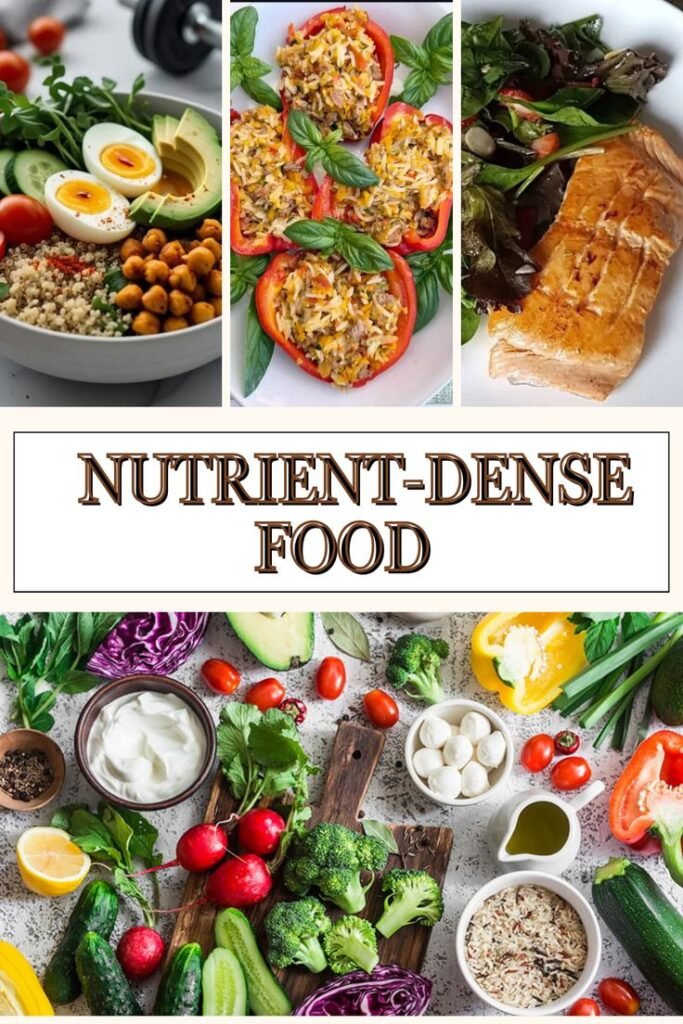
Introduction to Nutrient-Dense Foods
Nutrient-dense foods are those that provide a high amount of essential nutrients, such as vitamins, minerals, and other beneficial compounds, relative to their calorie content. This means that these foods not only supply the body with a wealth of nutrients but do so without contributing excessive calories, making them a critical component of a healthy diet. Examples of nutrient-dense foods include fruits, vegetables, whole grains, and lean proteins, all of which can significantly enhance dietary quality.
Thank you for reading this post, don't forget to subscribe!In contrast, calorie-dense foods are primarily composed of high calories with minimal nutrients. These foods often contain added sugars and unhealthy fats, leading to an imbalance in dietary habits. While they may satisfy hunger temporarily, they do not provide the body with what it needs to function optimally. By focusing on nutrient-dense options, individuals can improve their health outcomes, manage weight, and boost overall well-being.
The importance of consuming nutrient-dense foods cannot be overstated. They support bodily functions by providing necessary vitamins and minerals, help prevent chronic diseases, and are integral for maintaining energy levels throughout the day. Moreover, many nutrient-dense foods can contribute to a feeling of fullness, thereby aiding in weight management without the need for drastic calorie restrictions.
Affordability is often a key concern when selecting healthy foods. Contrary to common perceptions, nutrient-dense foods can be budget-friendly. Understanding how to choose and prepare these foods economically can empower individuals to make better choices without compromising their financial wellbeing. By embracing nutrient-dense options, anyone can invest in their health while remaining conscious of their budget.
Top 7 Affordable Nutrient-Dense Foods
When seeking to maintain a balanced diet, it is essential to focus on nutrient-dense foods that offer an array of health benefits without breaking the bank. Below are seven affordable options that combine excellent nutritional value with economic viability.
1. Lentils: These legumes are packed with protein, fiber, and essential minerals such as iron and magnesium. Lentils are versatile and can be incorporated into soups, salads, and sides. They are an excellent choice for vegetarians and vegans as they provide high-quality plant-based protein.
2. Quinoa: An ancient grain, quinoa is a complete protein source containing all nine essential amino acids. Additionally, it is rich in fiber, B vitamins, and minerals like manganese and phosphorus. Quinoa can be used as a base for salads or served as a side dish, making it easy to incorporate into various diets.
3. Canned Sardines: These fish are not only affordable but also rich in omega-3 fatty acids, vitamin D, and calcium. Canned sardines can be eaten directly or used in salads, sandwiches, or pasta dishes. They offer health benefits, including support for heart health and bone strength.
4. Sweet Potatoes: A fantastic source of vitamins A and C, potassium, and dietary fiber, sweet potatoes are versatile and can be prepared in numerous ways, such as baking, mashing, or roasting. Their naturally sweet flavor makes them appealing to both adults and children.
5. Spinach: This leafy green vegetable is low in calories yet high in vitamins A, C, and K, along with iron and calcium. Spinach can be enjoyed raw in salads or cooked in a variety of dishes. Its nutrient density contributes to improved eye health and reduced oxidative stress.
6. Oats: Oats are a cost-effective source of whole grains, rich in fiber, and help maintain a healthy digestive system. They provide a steady release of energy and can be prepared as oatmeal or used in smoothies, cookies, and baked goods.
7. Eggs: Often regarded as one of the most nutrient-dense foods, eggs offer high-quality protein, vitamin B12, and choline. They are highly versatile and can be cooked in various ways—from hard-boiled to scrambled. Regular consumption of eggs has been associated with improved heart health and brain function.
These seven foods not only highlight the affordability of nutritious options but also illustrate the benefits of integrating diverse ingredients into your diet. By focusing on such nutrient-dense foods, individuals can enhance their overall health without incurring significant expenses.
How to Incorporate Nutrient-Dense Foods into Your Diet
Incorporating nutrient-dense foods into your everyday meals can be both enjoyable and economical. Start by selecting items that are in season, as they tend to be fresher and more affordable. Seasonal produce not only enhances the flavor of your meals but also supports local farmers. For example, during autumn, root vegetables such as carrots and sweet potatoes are often at their peak, allowing you to create hearty soups and roasted dishes that are rich in nutrients.
Bulk buying is another smart strategy for saving money. Foods like lentils, beans, and oats are not only shelf-stable; they are also versatile and can be used in a variety of dishes. Consider making a large pot of chili with beans, spices, and vegetables. You can portion out servings to freeze for later, ensuring that you have a healthy meal ready at a moment’s notice.
To make dishes appealing, brainstorm different preparation methods that enhance flavor. For instance, dark leafy greens, such as kale and spinach, can be sautéed with garlic and olive oil or blended into smoothies. In addition, you can experiment with herbs and spices to elevate the taste of your meals. When adding grains like quinoa or brown rice, cook them in broth instead of water to infuse an extra layer of flavor.
Snack time can also be enriched with these inexpensive nutrient-dense foods. Opt for homemade energy bars using oats, nut butter, and honey; they provide a satisfying, healthy snack without the additives of store-bought products. Alternatively, prepare a batch of roasted chickpeas seasoned with spices for a crunchy snack that is both nutritious and affordable.
By employing strategies like seasonal purchasing, bulk buying, and diverse cooking techniques, you can effortlessly integrate nutrient-dense foods into your diet, making healthy eating both accessible and flavorful.
Conclusion and Encouragement for Healthy Eating Choices
In today’s fast-paced world, the importance of choosing nutrient-dense foods cannot be overstated. Nutrient-rich foods provide essential vitamins and minerals that contribute to overall health while promoting vitality and longevity. One of the most significant advantages is that many of these foods are available at affordable prices, making it possible for individuals and families to adopt healthier eating habits without incurring significant financial burdens.
As we have explored throughout this post, numerous nutrient-dense options, such as beans, lentils, and various vegetables, offer substantial health benefits while being budget-friendly. By integrating these foods into daily meals, individuals can enjoy a diet that not only supports their health goals but also enhances their culinary experience. It is crucial for readers to be aware of their food choices, acknowledging that healthy eating doesn’t have to be synonymous with high costs.
Moreover, exploring new foods can introduce excitement into meal planning and preparation. By stepping outside familiar options, individuals may discover new favorites that are both nutritious and economical. This commitment to healthy eating fosters not only physical health but also mental well-being, as nutritious meals often contribute to improved mood and energy levels.
We encourage readers to embrace the journey toward healthier eating by experimenting with the nutrient-dense foods highlighted in this blog post. Take the initiative to plan meals that incorporate these ingredients, and enjoy the process of enhancing your diet without straining your budget. Remember, a nutritious diet is an investment in your health—and it can be wonderfully delicious.