
Understanding Added Sugar and Its Effects on the Body
Added sugar refers to sugars and syrups that are added to foods or beverages during processing or preparation. Unlike natural sugars, which are naturally occurring in fruits, vegetables, and dairy products, added sugars are often found in many processed and packaged items. Common sources of added sugar include soft drinks, candies, pastries, baked goods, breakfast cereals, and flavored yogurt. High-fructose corn syrup, sucrose, and honey are also common forms of added sugars used in various products.
Thank you for reading this post, don't forget to subscribe!The consumption of high amounts of added sugars can lead to a myriad of physiological effects. Research indicates that an excessive intake of added sugars is strongly linked to obesity, as these sugars provide empty calories without essential nutrients. This weight gain can lead to excess fat accumulation, particularly in the abdominal area, which poses additional health risks.
Moreover, a diet high in added sugars may also contribute to increased inflammation in the body. Inflammation is a natural response to injury or infection; however, chronic inflammation is associated with numerous health issues, including heart disease, diabetes, and certain types of cancer. Furthermore, excessive consumption of added sugars can disrupt normal metabolic processes, leading to insulin resistance and a higher risk of developing Type 2 diabetes.
Additionally, there is evidence that a diet high in added sugars is connected to negative mental health outcomes, such as anxiety and depression. The relationship between sugar and mood is complex, but it is believed that fluctuations in blood sugar levels can affect energy and emotional well-being. Understanding these effects is crucial for recognizing the benefits of reducing added sugar consumption, which can lead to improved overall health and a greater sense of well-being.
Physical and Mental Changes After 30 Days Without Added Sugar
Eliminating added sugars from your diet for a period of 30 days can lead to a myriad of notable changes in both physical and mental aspects. Firstly, many individuals report weight loss as one of the most immediate effects. When added sugars are cut from the diet, the body often begins to utilize stored fat for energy, resulting in reduced body fat percentage and an overall slimmer appearance. Alongside weight loss, improved energy levels are frequently observed, as the body stabilizes its blood sugar levels without the spikes and crashes caused by sugar consumption.
Better digestion is another positive outcome that may arise from this dietary adjustment. Reducing added sugars can enhance gut health by fostering the growth of beneficial bacteria. A healthier gut microbiome often correlates with improved digestive processes and decreased bloating or discomfort. Additionally, clearer skin can be a significant benefit, as high sugar intake is known to exacerbate conditions like acne and inflammation. Many report reduced occurrences of breakouts or skin irritations after refraining from added sugars.
The mental health aspects of removing added sugars should not be overlooked. Many individuals experience mood stabilization and less frequent mood swings. This can be attributed to more consistent serotonin levels, which can be disrupted by excessive sugar consumption. Furthermore, as the body adjusts to lower sugar intake, cravings tend to diminish over time. However, it is essential to be aware of potential withdrawal symptoms, such as irritability or fatigue, especially in the initial days of cutting out sugar. Managing these symptoms can be achieved by ensuring adequate hydration, consuming whole foods, and gradually decreasing sugar intake rather than eliminating it abruptly.
Long-term Benefits of Reducing Sugar Intake
Eliminating added sugar from the diet for an extended period yields significant long-term health benefits that go beyond initial weight loss and improved energy levels. One of the primary advantages is a marked reduction in the risk of obesity, which has become a widespread concern globally. High sugar consumption has been linked to excess calorie intake, directly contributing to weight gain. By consistently minimizing sugar, individuals can maintain a healthier body weight, reducing the likelihood of becoming overweight or obese.
Additionally, people who reduce their sugar intake experience a decreased risk of developing type 2 diabetes. Studies indicate that high sugar levels can lead to insulin resistance, a precursor to diabetes. Thus, lowering sugar consumption can improve insulin sensitivity and help maintain stable blood sugar levels, contributing to better management of overall metabolic health.
Cardiovascular health is also positively impacted by a reduction in added sugars. High sugar diets are known to elevate blood pressure and increase levels of triglycerides and LDL cholesterol, which are contributing factors to heart disease. By cutting down on sugar over the long term, individuals might observe improvements in these critical health metrics, leading to lower incidences of heart-related complications.
Furthermore, the benefits extend to mental clarity and cognitive function. Many individuals report enhanced focus and mental agility after consistently avoiding added sugars. This improvement can be attributed to the stabilization of blood glucose levels, which reduces the brain fog associated with sugar peaks and crashes. Ultimately, committing to a lower sugar lifestyle can significantly enhance both physical and mental well-being, promoting longevity and a higher quality of life.
Tips for Successfully Cutting Out Added Sugar
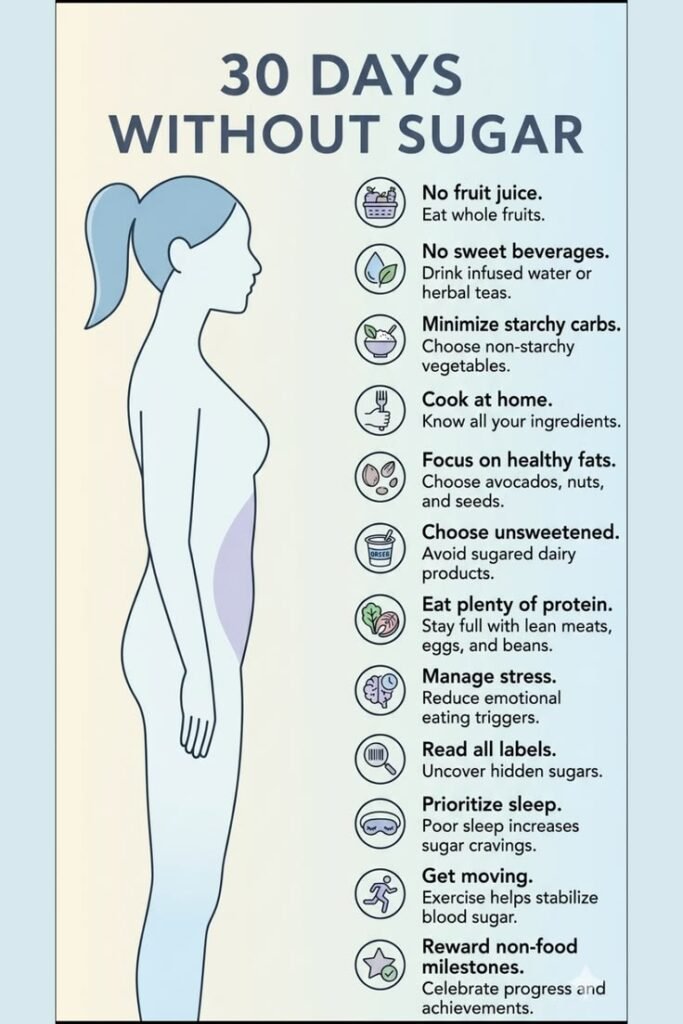
Reducing added sugar intake can have significant health benefits, but it requires careful planning and commitment. One of the first strategies you can adopt is to become adept at reading food labels. Understanding ingredient lists and identifying sources of added sugar is crucial for informed decision-making. Look for terms such as sucrose, high fructose corn syrup, and agave nectar, which all signify added sugar content. Cultivating this skill will help you select products wisely and avoid hidden sugars that may derail your efforts.
Next, consider finding alternatives to sugary snacks. Numerous fruits, nuts, yogurt, and whole-grain snacks can serve as healthier options. For instance, replacing candies with fresh fruit can satisfy cravings while providing essential nutrients. Similarly, exploring recipes that utilize natural sweeteners, like stevia or mashed bananas, could enhance your meals while keeping added sugars at bay. This substitution approach is instrumental not only in addressing cravings but also in maintaining a balanced diet.
Meal planning is another essential tactic to support your journey towards a low-added-sugar lifestyle. Allocating time each week to plan your meals can help you avoid last-minute decisions that often lead to sugary snacks. Preparing meals ahead of time ensures you have healthy options readily available, reducing the temptation to reach for high-sugar convenience foods. You may also want to consider batch cooking to make this process simpler.
Finally, staying motivated is key in this endeavor. Set realistic goals and track your progress. Sharing your journey with friends or online communities can foster accountability and provide encouragement. Finding and sticking to enjoyable, low-added-sugar recipes can also instill a sense of accomplishment and inspire you to continue with your dietary changes.