
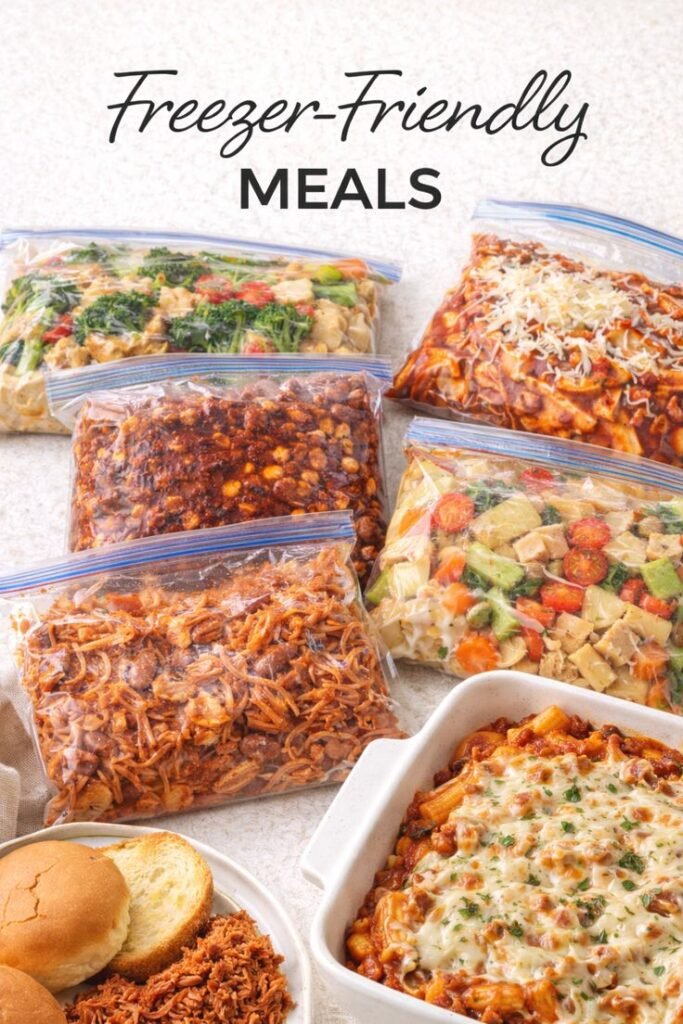
The Benefits of Freezer-Friendly Meals
In today’s fast-paced world, freezer-friendly meals offer numerous advantages for busy individuals or families seeking convenient and nutritious options. One of the primary benefits is the significant time savings these meals provide. By preparing meals in batch and freezing them, you can allocate less time during your week for cooking. Instead of spending hours each day in the kitchen, you can simply reheat a meal that you’ve already prepared, allowing you to focus on other activities or responsibilities.
Additionally, freezer-friendly meals play a vital role in reducing food waste. Often, fresh ingredients perish before they can be fully utilized, leading to unnecessary waste. When preparing meals in bulk and freezing them, you can ensure that all ingredients are used efficiently, allowing for better management of your groceries. This practice not only benefits the environment but also helps to lower your overall food costs.
Health-wise, having freezer-friendly meals readily available encourages healthier eating habits. With nutritious options on hand, individuals are less likely to resort to fast food or unhealthy convenience foods when tired or pressed for time. Taking the initiative to prepare healthy meals and freeze them means you always have access to wholesome choices that align with your dietary goals.
Furthermore, the financial benefits of preparing meals in bulk are substantial. Purchasing ingredients in larger quantities often results in cost savings, and when combined with the reduction in food waste, there is a clear economic incentive to embrace freezer-friendly meals. Preparing meals ahead of time can contribute to a more budget-conscious approach without compromising on nutrition or flavor.
Meal Prep Strategies for Freezing
Effective meal prep can significantly ease the burden of busy weeks, especially when it comes to freezing meals for later use. One of the first steps in this process is selecting the right containers. Look for airtight, freezer-safe containers that are durable and BPA-free. Glass containers are an excellent choice as they can withstand temperature changes without warping and are easily reheatable. Additionally, consider using portion-sized containers to streamline meal assembly and portion control.
Labeling is an essential practice when freezing meals. Always include the date, contents, and any reheating instructions on the label. This ensures you know exactly what meals you have on hand and helps in effectively managing meal rotations. When organizing your freezer, utilize a first-in, first-out approach: place newly cooked meals at the back and older meals at the front to maximize freshness and prevent waste.
Different types of food have unique freezing needs, and understanding these can enhance your meal prepping efforts. For instance, hearty meals such as stews, casseroles, and soups freeze quite well and can retain flavor and texture over time. On the other hand, delicate foods like leafy greens may become mushy when thawed. Opt for blanching vegetables briefly before freezing to maintain their color and nutritional value.
Planning meals ahead of time is crucial in effective meal prep. Create a weekly menu that includes a balanced selection of proteins, carbohydrates, and vegetables. This approach not only helps in fulfilling nutritional needs but also provides a diverse array of meals to enjoy throughout the week. By crafting a solid meal prep schedule, you can streamline your cooking, reduce stress, and ensure that healthy options are always available when time is limited.
Healthy Freezer Meal Ideas
When it comes to balancing a busy schedule with the need for nutritious meals, having a selection of healthy freezer meal options can be invaluable. This section introduces various meal ideas suitable for freezing, each categorized for convenience.
Breakfast Options
Start your day right with freezer-friendly breakfast items. One excellent choice is vegetable egg muffins. These portable meals can be made using eggs, chopped spinach, bell peppers, and cheese. After baking, simply let them cool, then wrap each muffin individually and place them in a freezer bag. To reheat, microwave for about one minute.
Another option is overnight oats. Combine rolled oats, almond milk, chia seeds, and your favorite fruits in a mason jar. These nutritious meals can be frozen too, and when ready to eat, just thaw overnight in the refrigerator for a quick, healthy breakfast.
Lunch and Dinner Entrées
For lunch or dinner, chicken stir-fry with brown rice is an excellent option. Use your preferred veggies, such as broccoli, carrots, and bell peppers, along with lean chicken breast sautéed in low-sodium soy sauce. Cool the dish completely before packing it into airtight containers for the freezer. Reheat on the stovetop or in the microwave while adding a splash of water to keep it moist.
Vegetarian chili is another filling option, prepared with beans, tomatoes, corn, and spices for flavor. This dish freezes remarkably well and can be reheated directly from the freezer until piping hot, ensuring minimal hassle.
Snacks
Healthy snacks are also essential for busy days. Homemade energy balls, made from oats, peanut butter, honey, and dark chocolate chips, are nutritious and easy to prep. Scoop the mixture into bite-sized balls and freeze them in a single layer before transferring them to a freezer bag for storage. Snack on them directly from the freezer or let them thaw for a few minutes.
Finally, consider frozen smoothie packs. Pre-portion your favorite fruits and vegetables in bags so they are ready to blend with liquid of your choice. They can easily be stored in the freezer and provide a healthy option for on-the-go moments.
These healthy freezer meal ideas not only cater to diverse tastes and dietary needs but also make it easier to maintain a nutritious diet amid a busy lifestyle.
How to Reheat and Serve Frozen Meals Effectively
Reheating frozen meals properly is crucial to ensure that they retain their flavor and nutritional value. There are several effective methods for doing so, including the microwave, oven, and stovetop, each with its benefits and potential pitfalls. When using a microwave, it is advisable to place the frozen meal in a microwave-safe container. Set the microwave to a medium power setting to avoid cooking the dish unevenly. Stirring the meal halfway through the reheating process will help achieve even temperatures and maintain texture. Additionally, covering the dish with a microwave-safe lid or wrap helps to keep moisture in, which can prevent the meal from drying out.
For those who prefer using an oven, preheat it to around 350°F (175°C) before placing the frozen meal in an oven-safe dish. Covering the dish with aluminum foil during the first portion of reheating can help trap heat and moisture, preventing the meal from becoming overly dry. Depending on the meal’s components, reheating may take anywhere from 30 minutes to an hour, so checking for an internal temperature of 165°F (74°C) is recommended for safety and quality.
The stovetop presents another effective method, particularly for dishes such as stews, casseroles, or stir-fries. To reheat on the stovetop, place the frozen meal in a non-stick pan over low to medium heat. Adding a splash of water or broth can help revive the meal’s moisture, allowing it to heat evenly without burning. Regular stirring will also provide a uniform reheating process.
In terms of serving, pairing your reheated meals with fresh sides like salads, steamed vegetables, or whole grains can enhance the overall dining experience. Consider garnishing the meals with fresh herbs or a squeeze of lemon juice to elevate flavors. Properly reheating and creatively serving frozen meals can turn them into satisfying, nutritious dinners that cater to your busy lifestyle.