
Understanding Bloating and Its Causes
Bloating is a common digestive complaint characterized by a sensation of fullness and distension in the abdomen. This condition often manifests as visible swelling or an increase in size of the stomach area, leading to physical discomfort. Bloating can occur due to a variety of factors, primarily linked to dietary choices, lifestyle habits, and specific underlying health issues.
One of the major contributors to bloating is the consumption of certain foods. Foods high in carbohydrates, particularly those that are not fully absorbed in the small intestine, can ferment in the colon, producing gas. Common culprits include legumes, dairy products for lactose-intolerant individuals, and carbonated beverages, which can introduce excess air into the digestive tract. Additionally, eating too quickly can result in swallowing air, further exacerbating the feeling of bloating.
Lifestyle factors also play a significant role in bloating. Sedentary behavior, for instance, can slow digestion and contribute to feelings of fullness and discomfort. Stress and anxiety can also impact the gut’s functionality, sometimes causing bloating as a physical manifestation of mental strain. Moreover, inadequate hydration can lead to gastrointestinal irregularities, as water is vital for digestive processes.
In some cases, bloating may indicate more serious underlying health conditions. Disorders such as Irritable Bowel Syndrome (IBS), food intolerances, or gastrointestinal obstructions might lead to chronic bloating. Understanding these various causes is crucial in managing and preventing bloating effectively.
Top Anti-Bloating Ingredients to Include
Bloating is a common discomfort associated with digestion, but incorporating certain ingredients into your diet can significantly alleviate these symptoms. Here, we will explore several key anti-bloating ingredients that are known for their beneficial digestive properties and can be included seamlessly into daily meals.
One of the most effective ingredients is ginger. Renowned for its anti-inflammatory properties, ginger helps soothe the digestive tract, reducing the production of gas and aiding in the breakdown of food. It can be enjoyed in various forms, such as fresh slices in teas, grated in smoothies, or as a spice in savory dishes.
Peppermint is another powerful ingredient that not only adds flavor but also helps relax the muscles of the gastrointestinal tract. This can help relieve feelings of fullness and bloating caused by trapped gas. Essential peppermint oil can be used in teas or even as a flavor enhancer in salads and dressings.
Additionally, cucumber is a hydrating vegetable that is low in calories and high in water content, making it an excellent option for reducing bloating. Its natural diuretic effect helps eliminate excess water retention. Sliced cucumbers can be added to salads, smoothies, or consumed as a crunchy snack.
Incorporating yogurt into your diet can also support digestive health. The probiotics found in yogurt promote a balanced gut microbiome, which is crucial for overall digestive wellness. Plain yogurt can be enjoyed on its own, mixed with fruits, or used as a healthy base for sauces and dips.
By thoughtfully including these anti-bloating ingredients into your meals, you can promote better digestion and enhance your overall gut health. Each ingredient carries unique properties that work synergistically to alleviate symptoms of bloating and aid in digestion, leading to a more comfortable and happier digestive experience.
Delicious Anti-Bloating Recipes
Combatting bloating and promoting better digestion can be both enjoyable and delicious. In this section, we present a selection of easy-to-follow recipes that effectively incorporate ingredients known for their anti-bloating properties. These recipes range from refreshing smoothies to hearty main dishes, ensuring a diverse array of meals that cater to your taste preferences.
Cucumber Mint Smoothie: A revitalizing drink that is perfect for breakfast or a mid-afternoon snack. To prepare, blend together one half cucumber, a handful of fresh mint leaves, one ripe banana, and one cup of coconut water until smooth. This smoothie is not only hydrating but also helps ease bloating thanks to the cooling properties of cucumber and the digestive benefits of mint.
Quinoa Salad with Lemon Dressing: Prepare a nutritious quinoa salad that is light but filling. Cook one cup of quinoa and let it cool. Mix it with diced cucumber, cherry tomatoes, and finely chopped parsley. For the dressing, whisk together the juice of one lemon, one tablespoon of olive oil, and a pinch of salt. The fiber in quinoa and the hydration from cucumber makes this salad a perfect choice for reducing bloating.
Ginger-Carrot Soup: This soothing soup is ideal for an easy dinner option. Start by sautéing two diced carrots and one chopped onion in a pot with a dash of olive oil. Add three cups of vegetable broth and one tablespoon of grated ginger. Simmer until everything is tender, then blend until smooth. Ginger is known for its ability to aid digestion, and this hearty soup is both warming and nourishing.
Grilled Salmon with Asparagus: For a filling main dish, season a salmon fillet with salt and pepper, and grill it alongside fresh asparagus spears. Drizzle with lemon juice before serving. Salmon is rich in omega-3 fatty acids, and asparagus acts as a natural diuretic, together they create a perfect harmony for promoting gut health.
These recipes not only focus on alleviating bloating but also emphasize flavor and ease of preparation, ensuring that meals remain enjoyable while supporting digestive wellness.
Tips for Maintaining a Happier Gut
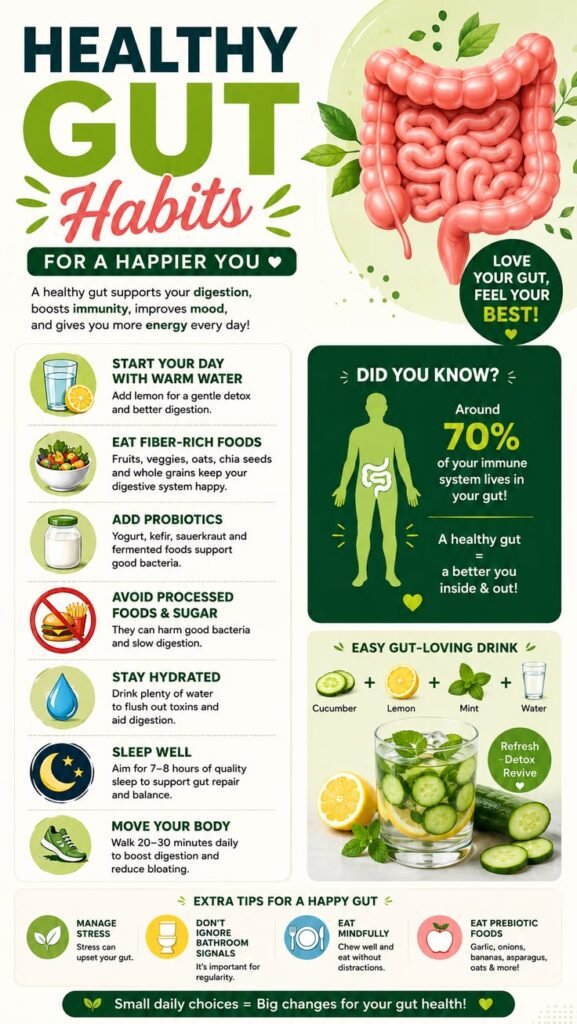
Achieving and maintaining a healthier gut is a multifaceted approach that goes beyond simply consuming anti-bloating recipes. A combination of mindful dietary practices, hydration, stress management, and regular physical activity significantly contributes to improved digestion and overall well-being.
One of the primary aspects of fostering a happier gut is ensuring adequate hydration. Drinking sufficient water throughout the day aids in digestive processes and helps to prevent constipation, a common source of bloating. Aim for at least 8 glasses of water daily, and consider incorporating herbal teas, particularly those known for their digestive benefits, such as ginger or peppermint.
Mindful eating practices can substantially improve gastrointestinal comfort. This involves slowing down during meals, chewing food thoroughly, and savoring each bite. By paying attention to hunger cues and eating until satisfied rather than stuffed, individuals can reduce the likelihood of digestive discomfort. It is also beneficial to limit distractions, such as screens, during meals to enhance awareness of satiety signals.
Managing stress is another critical factor that impacts gut health. Elevated stress levels can lead to digestive disturbances, so engaging in stress-reducing techniques—such as meditation, yoga, or deep-breathing exercises—can be beneficial. Regular practice of these methods can help maintain a balance between mental well-being and digestive health.
Lastly, physical activity plays a vital role in digestion. Regular exercise can stimulate intestinal contractions and enhance gut motility, thus mitigating the chances of bloating. Aim for a routine that includes a mix of cardiovascular exercises, strength training, and flexibility work to support holistic health.
Listening to your body is essential when it comes to gastrointestinal health. Observing reactions to different foods and adjusting your diet accordingly can help identify problematic items that may contribute to bloating. This personalized approach not only allows individuals to enjoy their meals but also fosters a more harmonious relationship with food.