
Introduction to Meal-Prep Soups
As the cold weather sets in, the comfort of a warm bowl of soup becomes increasingly appealing. Meal-prepping soups not only offers a hearty solution to winter chill but also provides a strategic approach to mealtime readiness. This practice involves preparing large batches of soups in advance, allowing for convenient access to nutritious meals throughout the week. Engaging in meal-prepping can significantly save time and effort during busy weekdays, where the last thing many wish to do is cook after a long day.
One of the primary benefits of creating soups in advance is the reduction of food waste. By utilizing seasonal vegetables and proteins, one can craft wholesome soups that make full use of pantry staples and fresh ingredients alike. This method encourages mindful planning and maximizes the use of available resources, ultimately promoting sustainability in the kitchen.
Nutritionally, soups offer a plethora of advantages, particularly in colder climates. A well-prepared soup can be both nourishing and filling, packed with essential vitamins and minerals. Ingredients such as legumes, grains, and a variety of vegetables contribute to a balanced meal, supporting immune health during winter months when illness is more prevalent. Additionally, soups are often low in calories yet high in nutritional density, making them an excellent choice for those looking to maintain or achieve wellness goals.
In essence, meal-preparing soups emerges as an ideal strategy for individuals and families seeking comfort, convenience, and nourishment during chilly weather. The upcoming sections will explore specific soup recipes that cater to this purpose, enhancing the meal-prep experience further.
Top Meal-Prep Soup Recipes
As the colder months approach, meal-prepping soups becomes a practical solution for maintaining a warm and nutritious diet. Here are some top meal-prep soup recipes that not only satisfy your taste buds but are also perfect for batch cooking and storage.
Hearty Vegetable Soup: This soup is a fantastic way to utilize seasonal vegetables and can easily be customized. Common ingredients include carrots, celery, potatoes, and a medley of beans. To create this soup, sauté the vegetables in olive oil, add vegetable broth, and season with herbs such as thyme or rosemary. Once cooked, allow it to cool before storing in airtight containers. This soup can last up to five days in the refrigerator or can be frozen for up to three months.
Creamy Tomato Soup: This classic is perfect for pairing with grilled cheese sandwiches. Start by roasting tomatoes and onions to enhance their flavors before blending them with vegetable or chicken broth. For a creamy texture, stir in a splash of heavy cream or a dollop of Greek yogurt after blending. When meal-prepping, store it in individual servings for convenient lunches throughout the week.
Lentil Soup: Lentils are packed with protein and fiber, making this soup hearty and healthy. Combine lentils with diced tomatoes, carrots, celery, and spices like cumin and coriander. Cook until the lentils are tender, which usually takes about 30 minutes. Store in the refrigerator for up to five days or freeze in portions to enjoy later.
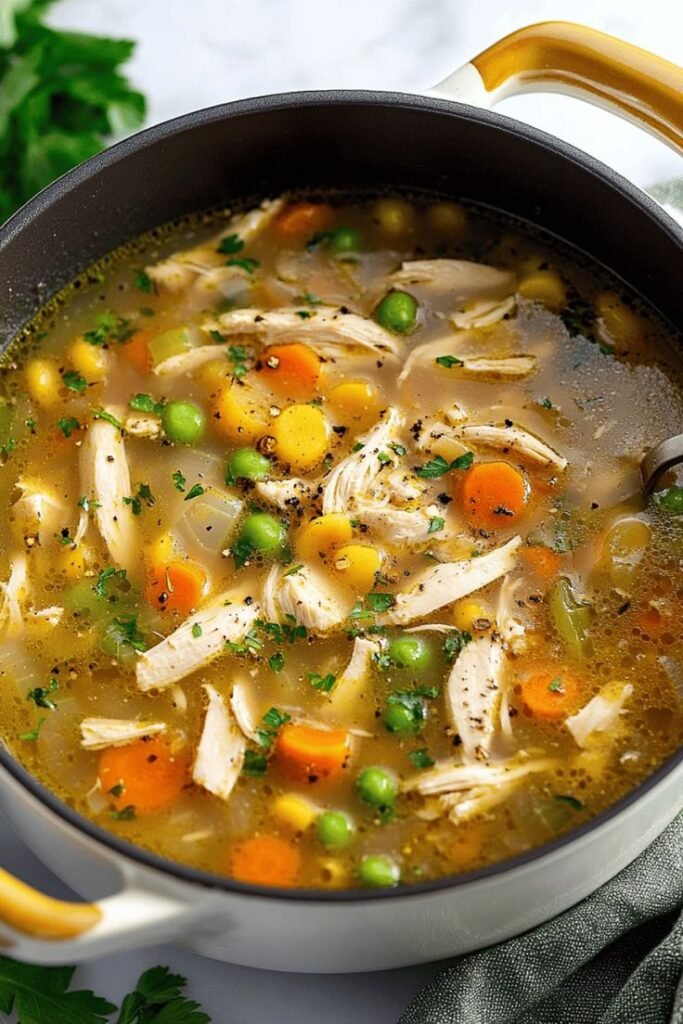
Chicken Noodle Soup: A comforting favorite, chicken noodle soup can be made with rotisserie chicken to save time. Combine chicken, broth, egg noodles, carrots, and celery in a pot, allowing the flavors to meld together. To meal prep, store in a large container with the noodles on the side to prevent them from becoming mushy, and combine them right before serving.
How to Store and Reheat Soups for Maximum Freshness
Proper storage and reheating methods are essential to preserve the taste and texture of meal-prepped soups. The first step is choosing the right containers for storage. Airtight containers are highly recommended, as they help prevent air from compromising the soup’s integrity. Glass containers are a good option as they do not absorb odors and allow for easy monitoring of contents, while BPA-free plastic containers are lightweight and convenient for meal prep.
When refrigerating your soups, it is best to let them cool to room temperature before sealing them in their containers. This helps to avoid condensation inside the container, which can create an environment conducive to bacterial growth. Labeling containers with dates can help you track freshness—generally, soups can be stored in the fridge for up to four days. For longer storage, consider freezing your soups. Most soups freeze well, but avoid freezing ones with cream or dairy, as these can separate during the thawing process.
When it comes to reheating, there are several methods to consider. For the best quality retention, reheat soups on the stove over medium heat. Stir frequently to ensure even heating and to avoid any stickiness at the bottom. If you choose to use a microwave, transfer the soup to a microwave-safe container, cover it loosely to allow steam to escape, and heat in short intervals to prevent overheating. For frozen soups, thaw them in the refrigerator overnight before reheating to maintain texture and flavor. Alternatively, you can thaw soup in the microwave on the defrost setting, but be sure to monitor closely.
By following these guidelines for storing and reheating soups, you can ensure that your meal-prepped soups remain fresh and delicious, ready to be enjoyed even on the coldest of days.
Tips for Customizing Your Soups
When crafting the perfect soup, customization is key to achieving a flavor profile that fits individual preferences and dietary needs. One of the simplest ways to personalize your soup recipe is through ingredient substitutions. For instance, if a recipe calls for chicken broth but you prefer a vegetarian option, vegetable broth can serve as an excellent alternative. Similarly, if you’re seeking gluten-free options, using gluten-free grains like quinoa or brown rice in place of pasta can provide texture without compromising dietary restrictions.
Adding proteins to your soup can enhance its nutritional value, making it a heartier meal. Consider including lentils, beans, or tofu as vegetarian protein sources, or for meat lovers, chicken, beef, or even seafood can elevate the dish. Aim for a balance that suits your dietary preferences while also nourishing your body during colder months.
The level of spiciness is another significant factor to customize. Start with mild spices and seasonings, then gradually increase the heat according to your comfort level. This approach allows each individual to balance flavor and heat, tailoring the dish to personal palate preferences.
Incorporating seasonal vegetables can also enhance the freshness and nutritional value of your soup. For example, root vegetables such as carrots, parsnips, and potatoes are excellent in winter soups, while summer options like zucchini and tomatoes can brighten any dish. Aim to select produce that is in season, as it typically offers the best flavor and can be more cost-effective.
Finally, creating a soup base inspired by various cuisines allows for numerous flavor experiments. For an Italian twist, consider adding beans and herbs like basil and oregano; for a Thai flair, try incorporating coconut milk and lemongrass. With these tips, anyone can customize soups to not only suit their taste but also to explore new flavors, making every bowl a culinary adventure.