
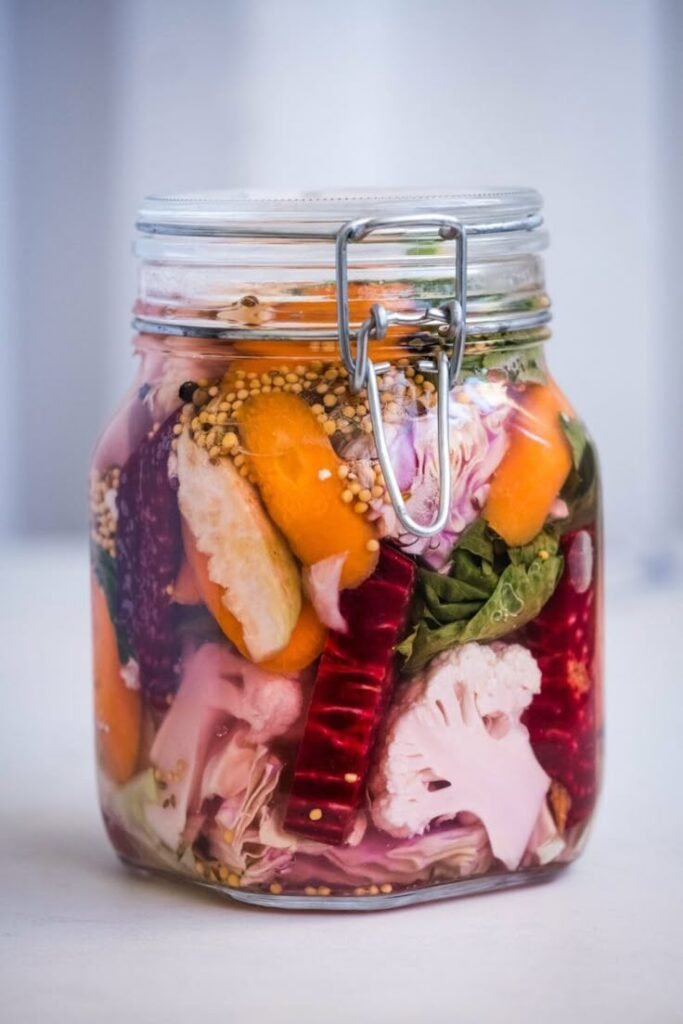
Introduction to Fermentation
Fermentation is a natural metabolic process that converts sugars into acids, gases, or alcohol using microorganisms such as yeast and bacteria. This age-old technique dates back thousands of years and has been utilized across various cultures to preserve food and enhance its nutritional value. Historical records indicate that fermentation was commonly practiced in ancient civilizations, from the breweries in Mesopotamia to the wines of ancient Egypt. Today, the art of fermentation has gained renewed popularity, particularly in home cooking, as people seek to embrace natural, health-conscious food preparation methods.
The resurgence of fermented foods can largely be attributed to growing awareness of their substantial health benefits. Fermented foods are often rich in probiotics, which are beneficial bacteria that contribute to improved gut health and digestion. Consuming these foods regularly can aid in breaking down nutrients, which may lead to better absorption and overall enhanced digestive function. Furthermore, research suggests that probiotics can bolster the immune system and potentially reduce the risk of chronic diseases.
Within the realm of fermentation, various processes can be explored, each offering distinct flavors and textures to the final product. The most common types of fermentation include lactic acid fermentation, where sugars are converted into lactic acid, typically seen in yogurt and sauerkraut; alcoholic fermentation, which produces ethanol and carbon dioxide, often utilized in beer and wine production; and acetic acid fermentation, which yields vinegar. Whether you are looking to make your own kimchi, sourdough, or kefir, understanding the fundamentals of fermentation can empower you to create delicious and nutritious meals in the comfort of your own home.
Essential Ingredients and Equipment for Home Fermentation
Creating fermented foods at home requires a careful selection of ingredients and equipment to ensure a successful and safe fermentation process. At the heart of home fermentation are the ingredients, which typically include a variety of vegetables, fruits, grains, and starter cultures. Common vegetables for fermentation include cabbage, cucumbers, and beets, while fruits such as apples and berries can also be used to create delightful fermented products. Additionally, grains like rice and barley can serve as the basis for certain types of fermented beverages.
To kickstart the fermentation process, starter cultures play a crucial role. These can be obtained from previous fermentation batches, purchased in powder form, or obtained from natural sources in your environment. The selection of starter cultures can influence the flavor and texture of the final product, making it vital to choose high-quality strains to ensure optimal fermentation.
Equally important to the ingredients are the tools used in the fermentation process. Essential equipment includes fermentation jars, which should be non-reactive and made of materials such as glass or food-grade plastic. Airlocks are also recommended, as they allow gases to escape during fermentation while preventing air from entering, thus minimizing the risk of spoilage. For larger batches or more specialized fermentation processes, dedicated fermenters may be necessary.
When sourcing ingredients, opting for fresh, organic produce can greatly enhance the quality of your fermented foods. It is also important to follow food safety guidelines, such as ensuring that all utensils and containers are thoroughly cleaned and sanitized before use. This will not only help to prevent contamination but also contribute to the overall success of your home fermentation endeavors.
Simple Fermented Recipes to Try at Home
Fermentation is a time-honored process that enhances both flavor and nutrition. For those looking to delve into the world of at-home fermentation, here are several simple recipes to get started.
Sauerkraut
To make sauerkraut, you will need 1 medium head of green cabbage and 1 tablespoon of sea salt. Begin by shredding the cabbage into a large bowl. Add the salt and massage it into the cabbage until it starts to release its juices, which should take about 5 to 10 minutes. Pack the cabbage tightly into a clean jar, ensuring the brine covers the cabbage completely. Seal the jar with a lid, and allow it to ferment at room temperature for 1 to 4 weeks, checking periodically. Taste the sauerkraut to your preference before moving it to the refrigerator.
Kimchi
Traditional Korean kimchi is another delightful fermented dish. For this recipe, gather 1 Napa cabbage, 1/4 cup of sea salt, 4 cups of water, 2 carrots, and a dense paste made from 1 tablespoon of ginger, 5 cloves of garlic, 2 tablespoons of fish sauce, and 2 tablespoons of red pepper flakes. Dissolve the salt in water and soak the cabbage for 2 hours. Rinse and drain the cabbage before combining it with the carrot and the spice mixture. Pack the mixture into a jar and let it ferment for 1 to 2 weeks at room temperature. Adjust the fermentation time based on your flavor preference.
Yogurt
To make homemade yogurt, heat 1 liter of milk in a saucepan until it reaches 85°C (185°F). Allow it to cool to about 43°C (110°F). Stir in 2 to 3 tablespoons of plain yogurt containing live cultures. Pour the mixture into a glass container, cover it with a lid and a towel, and let it sit in a warm place for up to 12 hours. Once thickened, move it to the refrigerator for a couple of hours before enjoying.
Kombucha
Kombucha, a popular fermented tea, requires 1 cup of sugar, 8 bags of black tea, and a SCOBY. Boil water and dissolve the sugar in it, add tea bags and steep for 15 minutes. Cool the mixture to room temperature before adding it to a glass container with the SCOBY. Cover it with a cloth secured with a rubber band and ferment for 7 to 14 days, tasting periodically to achieve the desired tanginess. Once ready, strain the kombucha into bottles, and refrigerate.
Troubleshooting Common Fermentation Issues
Fermentation is an age-old practice that brings unique flavors and health benefits to our meals. However, home fermentation is not without its challenges. Novices and seasoned fermenters alike may face problems such as off-smells, mold growth, or inconsistent fermentation rates. Understanding how to identify and tackle these common fermentation issues can lead to more successful outcomes.
One frequent issue is the emergence of off-smells during the fermentation process. A sour or vinegary odor might be expected, but if it becomes overly pungent or undesirable, it could indicate a problem. This often occurs due to an imbalance in the microbial ecosystem. To remedy this, ensure that your fermentation container is properly sanitized before use. Additionally, maintaining the right temperature is crucial; most ferments thrive at a consistent temperature of 68°F to 72°F (20°C to 22°C). If one batch smells problematic, it’s best not to consume it to avoid health risks.
Mold growth can also be a concern, particularly for ferments such as sauerkraut or kimchi. If you spot surface mold, it is advisable to remove it immediately and check the food beneath. If the underlying food appears healthy, it can likely be salvaged by stirring and ensuring it is submerged in its brine. To prevent mold from forming in the first place, always ensure that your vegetables are fully submerged in liquid and consider using weights or lids that seal well.
Another common challenge is inconsistent fermentation rates, which can often lead to bland or overly sour flavors. This inconsistency may arise from fluctuating temperatures or insufficient sugar content in the ingredients. To promote even fermentation, try to store your jars in a stable environment and periodically check the sweetness of your mixture. When tasting your ferment, a small spoonful is usually sufficient to gauge the flavor and fermentation level.
Finally, proper storage of fermented foods can enhance their shelf life. Once fermentation is complete, transfer the jars to the refrigerator to slow down the fermentation process. Using airtight containers also helps preserve flavor and prevent spoilage. With these tips in hand, you will be well-equipped to navigate common challenges associated with home fermentation, enabling you to enjoy delicious and healthful fermented foods for longer.