
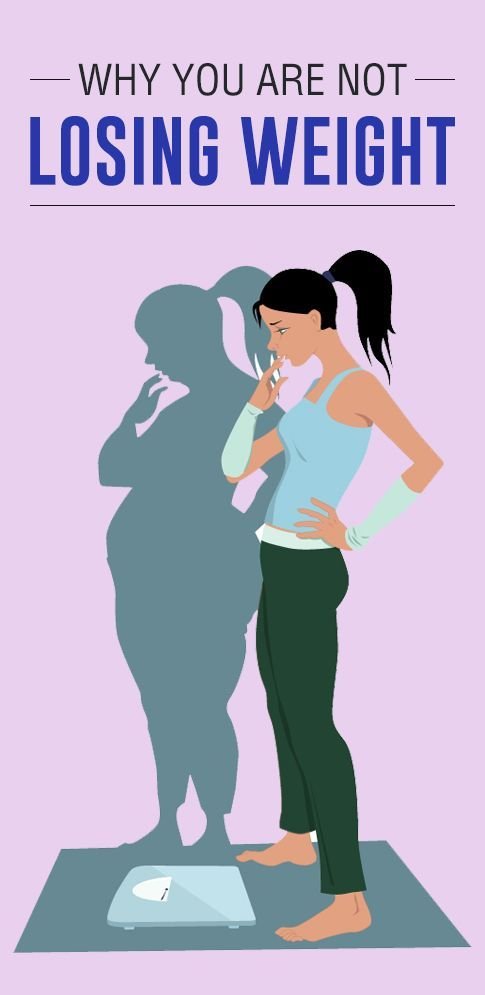
Why You’re Not Losing Weight Even Though You Eat Healthy

Spread the love

Understanding Weight Loss: The Science Behind It

Weight loss is a multifaceted process that revolves primarily around energy balance, which is the relationship between calories consumed and calories expended. To achieve weight loss, one must create a caloric deficit, which happens when the total number of calories burned exceeds the total number of calories consumed. This concept holds true regardless of the types of foods being consumed; even healthy foods contribute to caloric intake. Therefore, understanding the caloric content of the foods we eat is essential, as consuming too many healthy foods can still prevent achieving a deficit necessary for weight loss.

The metabolic rate plays a significant role in weight loss and can vary significantly among individuals. The basal metabolic rate (BMR) is the number of calories your body requires at rest to maintain basic physiological functions such as breathing and circulation. Factors like age, muscle mass, and hormonal levels can significantly influence metabolic rates. Moreover, some may find themselves in a situation where their food choices, although healthy, do not align with their personal caloric needs, which can hinder weight loss efforts. A well-rounded understanding of one’s metabolic needs is crucial for tailoring a suitable diet.

Additionally, dietary composition is another consideration that can influence weight loss. For instance, a diet high in protein may enhance feelings of satiety and improve metabolic efficiency more than a carbohydrate-heavy diet. Therefore, even if a person is consuming “healthy” food, without attention to portion sizes and overall caloric intake, they may find themselves unable to lose weight. Individual differences in metabolism and psychological factors also contribute to variations in weight loss outcomes, further emphasizing the complexity of the weight loss process.

Common Misconceptions About Healthy Eating

When it comes to healthy eating, many individuals harbor misconceptions that can derail their weight loss efforts. One prevalent myth is that all foods marketed as ‘healthy’ are automatically low in calories. In reality, many products labeled as health foods, such as granola bars, nut butter, or smoothies, can be deceptively high in calories and sugars. This misleading perception can contribute to overeating, as individuals may consume larger portions under the assumption that these foods are guilt-free.

Another critical factor is portion size. Healthy foods like avocados, nuts, and whole grains are indeed nutrient-dense and beneficial for overall health, yet they are also calorie-dense. Consuming them in large quantities can quickly lead to a caloric surplus, undermining weight loss efforts. It is essential to be mindful of serving sizes, even with foods that are deemed healthy. The key is moderation; balancing the intake of healthy and calorically dense foods is vital.

The habit of snacking on seemingly healthy items can also pose a challenge to weight management. Items such as hummus with vegetables or yogurt with fruit are often perceived as healthy snacks. However, they can contribute significantly to daily caloric intake if consumed without restraint. It is crucial to recognize that the number of calories consumed can outweigh the health benefits of the foods, leading to frustration when weight loss does not occur.

Ultimately, a sound understanding of healthy eating, coupled with awareness of portion control and caloric content, is necessary. Evaluating food options critically and practicing moderation can assist individuals in achieving their weight loss goals while still enjoying nutritious foods.

The Role of Exercise in Weight Loss

In the pursuit of effective weight loss, it is crucial to acknowledge that dietary habits alone may not suffice. Exercise plays a pivotal role in achieving and maintaining a healthy weight, complementing the efforts made through nutritional choices. When individuals endeavor to lose weight, incorporating physical activity significantly contributes to calorie burn, enhances metabolic rate, and preserves muscle mass, which is essential for maintaining a healthy body composition.

Calorie expenditure is increased through various forms of exercise, ranging from aerobic activities such as running, swimming, and cycling, to strength training exercises, including weight lifting and resistance training. Each exercise type presents unique benefits for weight management. For instance, cardiovascular activities primarily target calorie burn and improve cardiovascular health, while strength training is vital for building lean muscle mass. Muscle tissue is metabolically active and burns more calories at rest, thereby boosting overall metabolism.

The recommended amount of exercise for weight loss varies, yet general guidelines suggest engaging in at least 150 to 300 minutes of moderate-intensity aerobic exercise weekly. This can be augmented with two or more days of strength training, which aids in developing and maintaining muscle. Despite the evident advantages of exercise, individuals often encounter pitfalls when relying solely on dietary changes for weight loss. Some might underestimate their caloric intake, while others might overlook the importance of physical activity altogether.

Ultimately, the integration of a balanced diet with a comprehensive exercise regimen is paramount for successful weight loss. By appreciating the synergistic effects of nutrition and physical activity, individuals can create sustainable habits that not only promote weight loss but also enhance overall health and well-being.

Identifying Other Factors Affecting Weight Loss

When embarking on a journey to lose weight, many individuals often overlook that numerous factors can impede progress, even when adhering to a healthy diet. One primary aspect to consider is hormonal imbalances. Hormones such as cortisol, insulin, and ghrelin play significant roles in appetite regulation, metabolism, and fat storage. An imbalance in any of these hormones can inhibit weight loss efforts regardless of dietary choices. For instance, elevated cortisol levels due to chronic stress can promote fat accumulation, particularly in the abdominal region.

Stress itself can also have a substantial impact on weight management. It not only affects hormonal levels but can also lead to emotional eating or cravings for high-calorie comfort foods. Managing stress through mindfulness practices, exercise, or therapy may prove beneficial in alleviating its effects on weight control.

Another critical factor is sleep quality. Inadequate or poor-quality sleep disrupts the body’s natural processes, including those that regulate hunger and metabolism. Research has demonstrated that insufficient sleep can lead to increased hunger and cravings and decreased fat oxidation, which can ultimately hinder weight loss efforts despite a healthy diet.

Moreover, certain medications are known to affect weight, either by causing weight gain or making it difficult to lose weight. An array of common medications, including antipsychotics, antidepressants, and corticosteroids, can have side effects that include altering appetite or metabolism. If weight loss proves particularly challenging, consulting with a healthcare professional about the impacts of medications may be necessary.

Addressing these psychological and physiological challenges is crucial for effective weight management. Incorporating stress-reduction techniques, ensuring adequate sleep, and evaluating medications with a healthcare provider can create a holistic approach to achieving weight loss goals.

Leave a Comment

Your email address will not be published. Required fields are marked *

Scroll to Top