
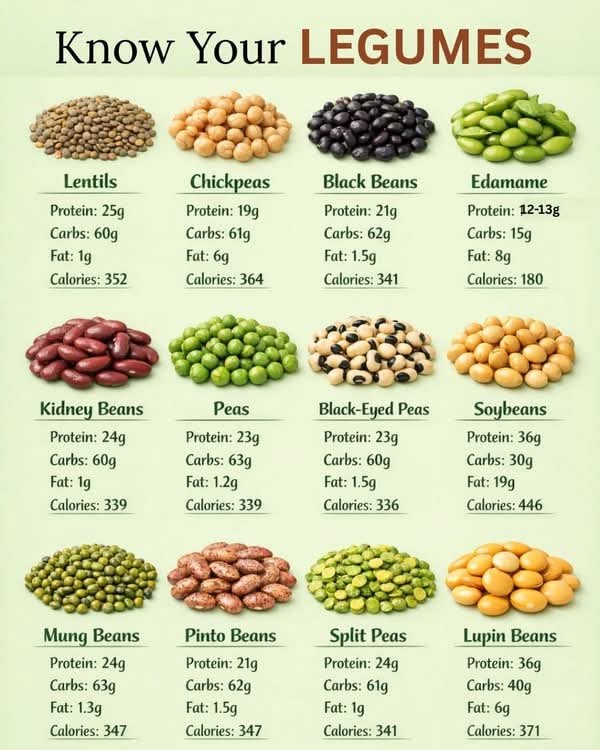
The Nutritional Benefits of Legumes
Legumes, which include beans, lentils, chickpeas, and peas, are an essential component of a nutritious diet. They are particularly celebrated for their high protein content, making them an excellent alternative to animal proteins for those seeking plant-based options. Containing anywhere from 15 to 25 grams of protein per cooked cup, legumes not only help in muscle repair and growth but also support overall bodily functions.
Thank you for reading this post, don't forget to subscribe!Another significant benefit associated with legumes is their impressive fiber content. A single serving of legumes can provide up to 50% of the daily recommended intake of fiber. This high fiber content promotes healthy digestion by preventing constipation and aiding in bowel regularity. Moreover, fiber is crucial for maintaining a feeling of fullness, which can be an effective strategy for weight management.
Legumes are rich in essential vitamins and minerals that are fundamental for optimizing health. They are abundant in B vitamins, particularly folate, which is vital for cellular functions and is especially important for pregnant women. Additionally, legumes contain significant quantities of iron, magnesium, and potassium. These minerals play critical roles in various bodily functions, including oxygen transport, muscle contraction, and maintaining healthy blood pressure levels.
Research has demonstrated that incorporating legumes into the diet can have positive effects on cardiovascular health. Their ability to lower cholesterol levels and stabilize blood sugar makes them a heart-friendly food choice. Regular consumption of legumes has been associated with reduced risks of heart disease and enhanced metabolic health.
Overall, the rich nutritional profile of legumes underscores their importance in a balanced diet. Their benefits extend from aiding digestion to enhancing heart health, making them a valuable addition to daily meals. Embracing legumes can lead to significant nutritional advantages, encouraging a holistic approach to eating for better health outcomes.
Legumes and Environmental Sustainability
The consumption of legumes offers significant environmental benefits, positioning them as a crucial component of sustainable diets. One of the primary advantages of legumes is their lower resource requirement compared to animal proteins. For instance, legumes typically need considerably less water and fertilizer, making them a more resource-efficient protein source. This characteristic is particularly important in light of global water scarcity and the growing demand for food production.
In addition to their resource efficiency, legumes play a vital role in enhancing soil health. They possess the unique ability to fix nitrogen from the atmosphere into a form that plants can utilize, enriching the soil naturally. This process reduces the reliance on synthetic fertilizers, which are not only costly but also contribute to environmental degradation through runoff and pollution. By promoting healthier soil, legumes facilitate better crop yields and enhance biodiversity, creating a more sustainable agricultural ecosystem.
Furthermore, legumes have a notably lower carbon footprint compared to meat production. The cultivation of legumes emits significantly fewer greenhouse gases, contributing to climate change mitigation efforts. As global awareness of climate issues increases, individuals are increasingly seeking alternatives that emphasize sustainability. Incorporating more legumes into the diet not only supports personal health but also fosters a positive impact on environmental conservation.
As consumers become more conscious of their ecological footprint, the importance of choosing sustainable food sources cannot be overstated. Legumes offer a practical solution for individuals looking to make informed dietary choices. With their numerous environmental benefits, legumes represent a step toward a more sustainable food system, demonstrating that dietary changes can contribute significantly to the well-being of our planet.
How to Incorporate More Legumes into Your Diet
Legumes, known for their rich nutrient profiles and versatility, are an excellent addition to any diet. Incorporating more legumes into your meals can be achieved through various practical strategies. First, consider the cooking methods available; legumes can be boiled, stewed, or roasted, depending on the type. Canned legumes are also a great time-saving option and offer convenience, making it easier to add them into dishes.
To effectively introduce legumes, experiment with simple recipes such as lentil soup, black bean burgers, or chickpea salads. These dishes can serve as the heart of a meal or be included as sides. Adding legumes to familiar recipes can be an effective gateway. For instance, adding lentils to pasta sauces or burritos can enhance flavor and health benefits without drastically altering the taste.
Another approach is to start with small portions. Gradually increasing legume consumption allows taste preferences to adapt, making it easier to integrate legumes into your diet. Try adding a quarter cup of legumes to meals like stir-fries, grain bowls, or vegetable soups. Keep in mind that flavor enhancers, such as spices, herbs, or lemon juice, can make legumes more appealing.
Overcoming barriers to consuming legumes, such as preparation time, is achievable with planning. Soaking dried legumes overnight can reduce cooking time, while batch cooking can ensure you always have ready-to-use legumes. Additionally, consider exploring recipes that highlight different global cuisines, showcasing legumes’ versatility. From Indian dal to Mediterranean hummus, these dishes provide delicious examples of how legumes can elevate meals. By utilizing these practical tips and ideas, you will find that incorporating legumes into your diet can be both enjoyable and beneficial.
Delicious Legume Recipes to Try
Legumes are not only nutritious but also incredibly versatile. Incorporating them into your meals can elevate your diet with rich flavors and textures. Below are some easy and delicious legume-based recipes to inspire your culinary creativity.
1. Hearty Lentil Soup
This comforting soup is made by simmering lentils with diced tomatoes, carrots, onions, and spices such as cumin and coriander. Start by sautéing onions and garlic in olive oil, then add chopped carrots and celery. After a few minutes, mix in rinsed lentils, diced tomatoes, vegetable broth, and your choice of spices. Allow it to cook until lentils are tender, approximately 25-30 minutes. Serve warm, garnished with fresh parsley.
2. Chickpea Salad with Lemon Dressing
For a refreshing side dish or light lunch, this chickpea salad is ideal. Combine canned or cooked chickpeas with diced cucumbers, bell peppers, and red onions. In a separate bowl, whisk together olive oil, fresh lemon juice, salt, and pepper. Drizzle the dressing over the salad, and toss gently. This vibrant dish is packed with protein and can be served chilled.
3. Black Bean Tacos
These flavorful tacos are a great way to enjoy black beans. Warm corn tortillas and fill them with cooked black beans. Top with shredded cabbage, diced avocado, and a sprinkle of lime juice. For an extra kick, add salsa or hot sauce. These tacos are not only quick to prepare but also provide a satisfying meal option.
4. Split Pea and Carrot Curry
In this dish, split peas are cooked with coconut milk and a blend of spices including turmeric, ginger, and garlic. Begin by sautéing onions and garlic, followed by adding diced carrots and rinsed split peas, then pour in coconut milk and water. Simmer until the peas are tender, and serve over rice or quinoa for a satisfying main dish.
These recipes illustrate the delicious possibilities of incorporating legumes into your daily meals. Easy to prepare and packed with flavor, legumes can support a healthy lifestyle while catering to diverse palates.