
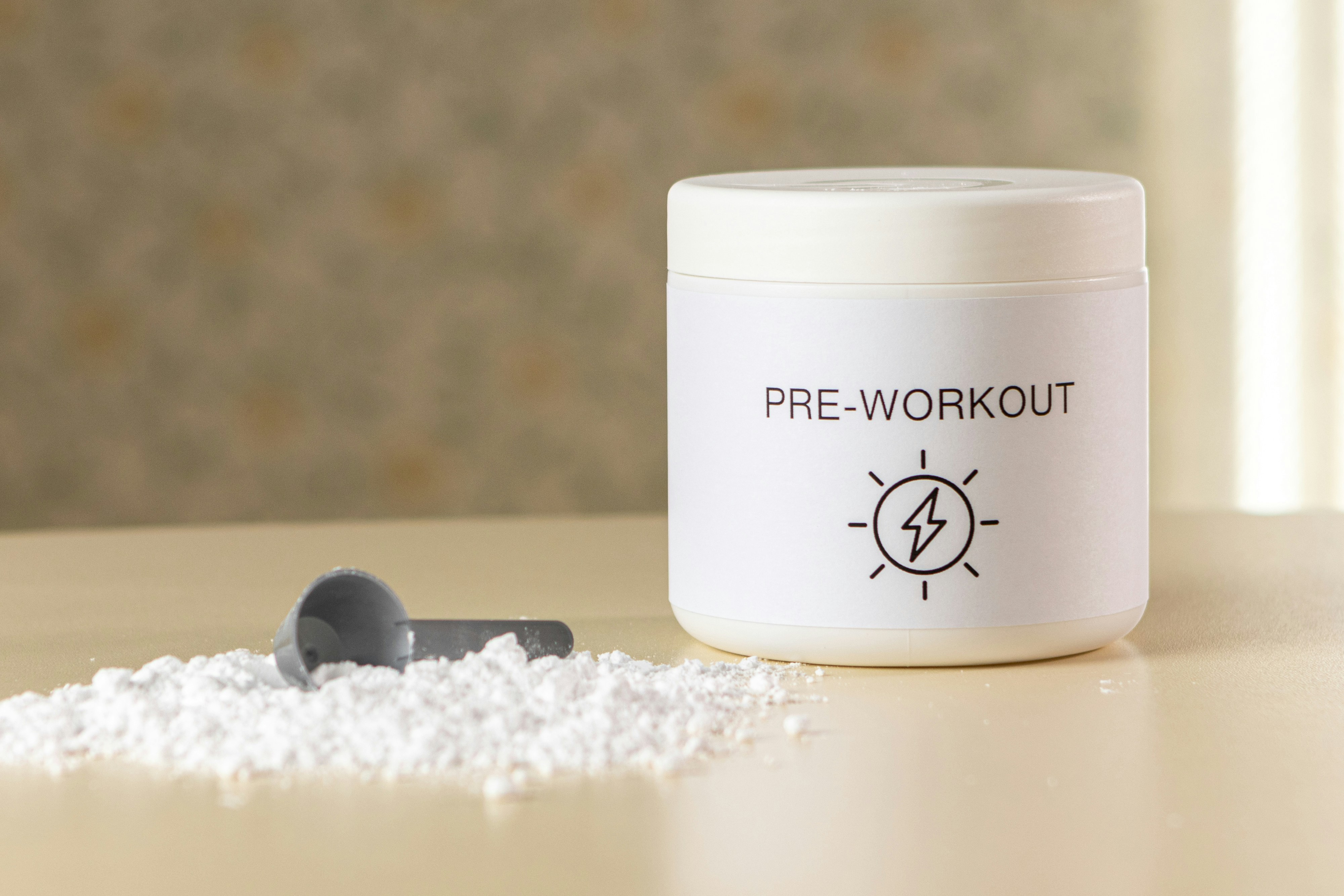
The Importance of Pre-Workout Nutrition
Pre-workout nutrition plays a crucial role in maximizing one’s performance during exercise. Consuming the right foods before a workout can significantly enhance energy levels, endurance, and overall efficiency. The foundation of an effective pre-workout meal is rooted in the appropriate balance of macronutrients—carbohydrates, proteins, and fats. Carbohydrates serve as the primary fuel source for high-intensity workouts, while proteins contribute to muscle recovery and growth. Healthy fats can provide a more sustained energy release during longer sessions.
Thank you for reading this post, don't forget to subscribe!Timing is also an essential factor when considering pre-workout nutrition. Ideally, meals should be consumed approximately 1.5 to 3 hours prior to exercise, allowing for proper digestion and nutrient absorption. A meal that includes complex carbohydrates, lean protein, and a small amount of healthy fat can optimize performance. For instance, a bowl of oatmeal topped with berries and a scoop of protein powder is an example of a balanced pre-workout meal.
Individual fitness goals can influence the specifics of pre-workout nutrition as well. For those focused on weight loss, a smaller, more protein-rich meal might be preferable to promote satiety while exerting energy. Conversely, individuals aiming for muscle gain may benefit from a larger intake of carbohydrates to fuel their workouts effectively. Ultimately, understanding your body’s unique needs and adjusting your pre-workout nutrition accordingly can help align your efforts with your fitness aspirations. Consistency in properly fueling your body before exercise lays the groundwork for improved outcomes, making it a vital component of any training regimen.
Ideal Foods to Consume Before a Workout
To optimize performance and energy levels during exercise, selecting the right foods to consume before a workout is crucial. Ideally, the pre-workout meal should focus on quick-digesting carbohydrates and a moderate amount of protein. This combination helps to fuel the body effectively and sustain energy throughout the workout session.
One excellent option is fruits, particularly bananas or apples. These fruits are rich in natural sugars, which provide an immediate source of energy. Consuming a banana approximately 30 to 60 minutes before exercising can enhance endurance, especially for cardio workouts. Another smart choice is oatmeal; approximately half a cup can offer a slow release of carbohydrates into the bloodstream, which is particularly beneficial for those engaging in longer workouts or strength training sessions.
Yogurt, especially Greek yogurt, serves as a great pre-workout food as well. It combines protein and carbohydrates, making it suitable for those requiring a little more energy before their workout. A serving of around one cup is generally sufficient. For added nutrients and variety, consider mixing in some berries or oats.
Smoothies are another versatile option; they allow for various ingredient combinations that can cater to individual nutritional needs and taste preferences. A balanced smoothie might include a base of almond milk, spinach, a banana, and a scoop of protein powder, offering a delightful blend of carbohydrates, vitamins, and proteins essential for pre-workout fuel.
Timing is equally important; it’s typically advisable to consume these foods 30 to 90 minutes before exercising, depending on personal digestion speed and comfort levels. By choosing appropriate foods like fruits, oatmeal, yogurt, and smoothies based on workout type, individuals can set themselves up for a successful and energizing exercise session.
Post-Workout Nutrition: Why It Matters
Post-workout nutrition plays a crucial role in the recovery process and muscle building. When individuals engage in physical activity, particularly strength training or high-intensity workouts, muscle fibers experience microtears. To facilitate effective recovery, it is essential to replenish the body with the necessary nutrients shortly after exercise. This is where the concept of the ‘anabolic window’ comes into play. The anabolic window refers to a limited period post-exercise, typically lasting about 30 to 60 minutes, during which the body is more receptive to nutrients that aid in muscle repair and growth.
During this time, consuming a mix of carbohydrates and proteins is vital. Carbohydrates help restore the glycogen stores that are depleted during exercise, while proteins provide the building blocks necessary for muscle repair. A balanced post-workout meal or snack can enhance recovery and support the physiological adaptations that arise from regular training. Therefore, neglecting to have a well-rounded post-workout meal could hinder an individual’s overall fitness goals.
Additionally, hydration is a critical component of post-workout nutrition. During exercise, the body loses fluids through sweat, and it is essential to replenish these lost fluids to maintain optimal hydration levels. Dehydration can lead to decreased performance and extended recovery times. Therefore, drinking water or electrolyte-containing beverages after a workout is equally important as nutrient intake. To sum up, paying attention to post-workout nutrition is essential for recovery, muscle building, and overall performance. Skipping meals after exercising can be detrimental, significantly impacting the body’s recovery processes and fitness objectives.
Best Foods and Drinks After a Workout
After a workout, it is crucial to replenish your body with the right foods and drinks that contribute to effective recovery. The ideal post-workout meal typically includes a balanced ratio of carbohydrates and protein. Carbohydrates help restore glycogen levels that are depleted during exercise, while protein supports muscle repair and growth.
One popular option is a protein shake, which can be conveniently consumed immediately after a workout. These shakes often contain protein powder mixed with water or milk, and can be enriched with fruits like bananas or berries for added carbohydrates. Alternatively, whole foods such as grilled chicken, served with a portion of brown rice and steamed vegetables, create a wholesome meal that is rich in both protein and carbs.
Legumes, such as lentils or chickpeas, also serve as excellent sources of protein and can be combined with whole grain bread to create a satisfying post-workout option. It is advisable to consume these meals within 30 to 60 minutes following exercise to optimize recovery rates.
Rehydration is another critical aspect of post-workout recovery. Water is essential, but beverages containing electrolytes, such as coconut water or sports drinks, may also be beneficial in restoring lost minerals. For those looking for an alternative to sugary drinks, homemade solutions can be prepared using a combination of water, sea salt, and natural sweeteners.
When planning meals, consider your dietary preferences, whether it be vegetarian, vegan, or omnivorous. Additionally, meal prepping can simplify the process, allowing for greater convenience during busy schedules. Organizing meals in advance ensures that you have nutritious options readily available to support your fitness journey.

