
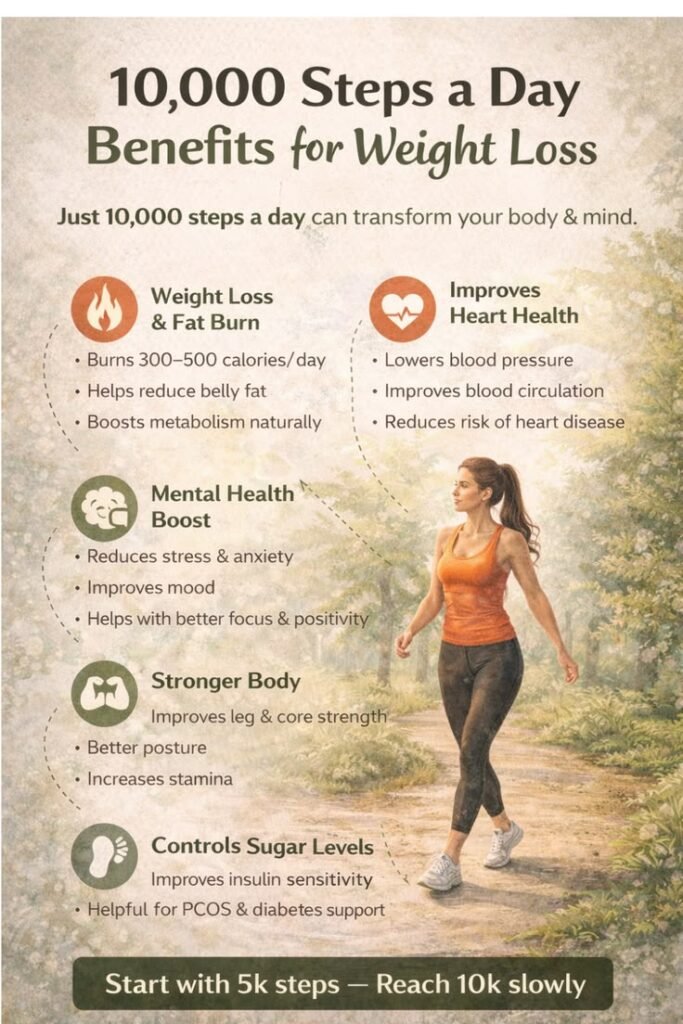
Understanding the 10,000 Steps Goal
The goal of walking 10,000 steps every day has become a widely accepted standard in the pursuit of physical fitness and health. This benchmark originated in Japan during the 1960s, notably promoted by a pedometer called “manpo-kei,” which translates to “10,000 steps meter.” The idea was to encourage more active lifestyles among individuals by providing a tangible target that could be easily measured and understood.
Thank you for reading this post, don't forget to subscribe!The rationale behind setting the target at 10,000 steps primarily hinges on the beliefs of early researchers who postulated that this level of activity could significantly enhance cardiovascular health, manage weight, and improve overall well-being. The number was chosen as a simple yet effective way to motivate people to increase their daily physical activity and, as a result, combat sedentary lifestyles that have become prevalent in modern society. It is worth noting that contemporary research supports varying activity levels depending on individual circumstances, such as age, fitness level, and health issues.
Moreover, the 10,000 steps goal aligns with guidelines provided by various health organizations, which advocate for regular physical activity as vital for reducing the risk of chronic diseases, including obesity, diabetes, and heart disease. Thus, this target serves not only as a motivational tool but also as a foundational metric for fostering greater awareness about the importance of regular physical activity. As walking is a low-impact exercise accessible to the majority of people, the 10,000 steps goal is both practical and achievable for many individuals hoping to improve their health.
The Science Behind Walking 10,000 Steps
Walking is a fundamental form of exercise that has been extensively studied for its physical and mental health benefits. Aiming for 10,000 steps per day has emerged as a popular target, evolving from the marketing strategies of step-counting devices to a widely recognized health guideline. Numerous scientific studies support the health advantages associated with walking, particularly in relation to cardiovascular health, weight management, and emotional well-being.
Research has shown that regular walking can significantly reduce the risk of heart disease and stroke. A study published in the American Journal of Preventive Medicine indicated that participants who walked approximately 10,000 steps per day experienced lower blood pressure and improved cholesterol levels compared to those who were sedentary. This level of physical activity facilitates effective blood circulation and can help maintain a healthy weight, which is further supported by findings in the Journal of Obesity. Individuals who engage in walking regularly are better positioned to manage their weight and prevent obesity-related illnesses.
In addition to physical health, walking offers substantial mental health benefits. Engaging in physical activity, such as walking 10,000 steps daily, has been linked to improved mood and reduced symptoms of anxiety and depression. A study conducted by researchers at the University of California found that individuals who met this step count reported a greater sense of well-being and lower levels of stress. The mental clarity and emotional uplift associated with walking can be attributed to the release of endorphins and the positive effects of spending time outdoors.
While the target of 10,000 steps is not a strict benchmark for everyone, it serves as a practical goal that correlates well with overall health benefits. Ultimately, incorporating regular walking into one’s routine can lead to improved cardiovascular health, effective weight management, and enhanced mental well-being, affirming the potential advantages of meeting this step count.
Are 10,000 Steps Necessary?
The commonly cited goal of walking 10,000 steps each day originated as a marketing strategy for a pedometer, yet it has since permeated public wellness culture. However, determining whether this specific target is necessary varies significantly among individuals based on a multitude of factors such as age, fitness level, and personal health objectives. For some, achieving 10,000 steps per day might be an unrealistic benchmark, while for others, it could be a minimal threshold for maintaining or improving health.
Age is a crucial factor; older adults may find that their bodies respond better to lower physical activity levels, making targets such as 7,000-8,000 steps more appropriate and achievable. In contrast, younger individuals or those with higher fitness levels may have the capability and desire to meet or exceed the 10,000-step goal. Additionally, health conditions can impede one’s ability to achieve such high activity levels, necessitating personalized routines that honor individual capabilities.
Fitness goals also play a significant role in defining daily step targets. For those aiming for weight loss or improved cardiovascular fitness, integrating higher levels of daily walking may provide beneficial outcomes. However, individuals focused on maintaining a healthy lifestyle may find that a lower daily step count suffices, especially when combined with other forms of exercise.
Moreover, there are various alternative metrics and methods one can adopt to incorporate walking into their lifestyle without adhering strictly to the 10,000-step guideline. For example, measuring active minutes or embracing a combination of different physical activities can yield equally advantageous health results. Ultimately, personalizing one’s walking goals to align with specific health needs and lifestyle, rather than adhering strictly to the popular 10,000-steps framework, may prove to be the most effective approach for overall well-being.
Practical Tips for Reaching Your Step Goal
Increasing your daily step count can be an achievable goal with a few practical strategies. A primary method is to incorporate more walking into your everyday routine. For instance, consider walking or biking to work instead of driving, if feasible. If your workplace is remote, you might dedicate part of your lunch break to a brisk walk. Additionally, standing while on the phone or going for a walk with a colleague can easily add steps to your day.
Utilizing technology can greatly enhance your step-tracking efforts. Various apps and devices, including pedometers and smartphone health apps, can monitor your overall activity. Many of these tools provide daily, weekly, and monthly step statistics, which can motivate you to reach or surpass your step goal. Setting specific, measurable goals using these applications can help you stay focused and achieve consistency in your walking routine.
Setting achievable targets is crucial for maintaining motivation. For those just starting, aiming for 6,000 steps a day can be a more realistic goal, gradually increasing to 10,000 as you become more comfortable with walking. This gradual progression helps build your stamina and ensures that you do not feel overwhelmed from the outset. It’s important to remember that consistency is key. Establish a daily walking routine and try to stick to it, adjusting your step goals as necessary based on your progress and schedule.
Moreover, integrating walking into your social life can also foster a supportive environment. Encourage friends and family to join you in evening walks or organize group outings centered around walking activities. Such social interactions not only enhance your overall experience but make the pursuit of your step goal enjoyable and sustainable.

