
Understanding the Pillars of Health
Health is a multifaceted concept that is often divided into three fundamental pillars: physical, mental, and emotional well-being. Each of these components plays a critical role in contributing to an individual’s overall health, and understanding their interconnections can promote a more holistic approach to well-being.
Thank you for reading this post, don't forget to subscribe!The first pillar, physical health, encompasses various aspects such as nutrition, exercise, sleep, and hygiene. Maintaining a balanced diet rich in vitamins and minerals is essential for physical vitality. Regular physical activity not only strengthens the body but also contributes to improved immune function. Moreover, adequate sleep allows the body to recover and rejuvenate, while good hygiene practices help prevent illnesses. Together, these elements form the foundation of physical health.
The second pillar, mental health, is equally vital. Mental well-being includes cognitive functions, emotional stability, and psychological resilience. Engaging in activities that stimulate the brain, such as reading or puzzle-solving, can enhance cognitive health. Furthermore, practicing mindfulness and stress-reduction techniques can foster emotional regulation and resilience, enabling individuals to cope effectively with life’s challenges. Mental health supports not only personal happiness but also the ability to maintain relationships and contribute to society.
The third pillar, emotional health, involves understanding and managing one’s feelings and emotions. It is crucial to recognize the significance of emotional intelligence in navigating relationships, as well as in responding to personal experiences. Emotional well-being entails expressing emotions in a healthy manner and developing coping strategies for stress and adversity.
In conclusion, the pillars of health are interdependent, influencing one another in profound ways. By nurturing physical health, enhancing mental faculties, and cultivating emotional resilience, individuals can create a balanced and fulfilling life. Emphasizing the importance of these three aspects contributes to a comprehensive understanding of health, ultimately leading to improved quality of life.
Nutrition: Fueling Your Body Right
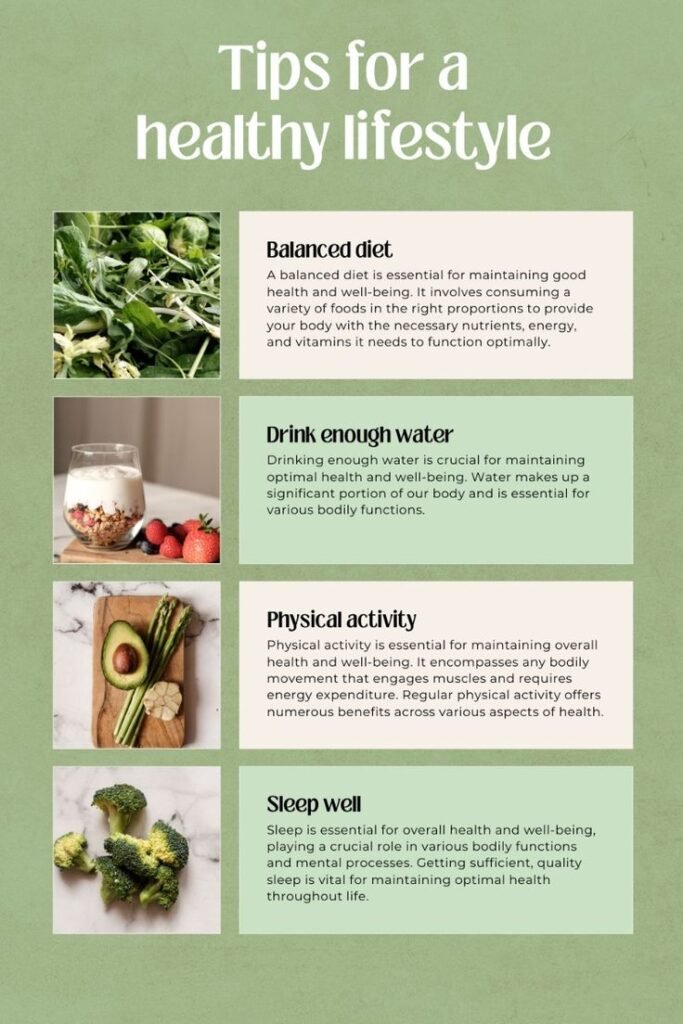
Nutrition plays a pivotal role in leading a healthy lifestyle, serving as the foundation upon which overall well-being is built. Essential nutrients, such as carbohydrates, proteins, fats, vitamins, and minerals, are critical for maintaining bodily functions, supporting immune health, and providing energy. A balanced diet, which includes a variety of foods from different food groups, ensures that the body receives adequate nourishment and protection from diseases.
One of the significant benefits of a balanced diet is that it can help regulate weight, improve mood, and provide the necessary energy to perform daily activities. Meal planning is an effective method to cultivate healthy eating habits. By organizing meals in advance, individuals can ensure that they incorporate a variety of nutritious foods while maintaining portion control. When planning meals, it is vital to include whole grains, lean proteins, fruits, vegetables, and healthy fats, which contribute to a well-rounded diet.
Moreover, hydration is often an underappreciated aspect of nutrition. Drinking adequate water throughout the day is crucial for proper digestion, metabolism, and cognitive function. A good rule of thumb is to aim for at least eight glasses of water daily, adjusting according to individual needs and activity levels.
Despite the plethora of information available regarding dietary choices, many dietary myths persist. For instance, the misconception that all fats are bad is misleading; healthy fats, such as those found in avocados and nuts, are beneficial for heart health. Similarly, it is essential to dispel the notion that carbohydrates should be entirely avoided, as they are a primary source of energy. Cultivating an understanding of portion control can further enhance eating habits by helping individuals recognize appropriate serving sizes and avoid overeating.
Physical Activity: Moving Towards Wellness
Regular physical activity is essential for maintaining a healthy lifestyle. Engaging in exercise not only enhances physical fitness but also significantly boosts mental health. Different forms of exercise, including strength training, cardiovascular workouts, and flexibility exercises, each contribute unique benefits to overall wellness. For instance, strength training builds muscle mass and strengthens bones, which can mitigate risks of osteoporosis as individuals age. Cardiovascular workouts, such as running or cycling, improve heart health, increase endurance, and help in weight management. Flexibility exercises, like yoga or stretching routines, enhance joint mobility and decrease the likelihood of injuries.
Incorporating movement into daily routines does not require substantial time or specialized skills. To start, consider integrating small bouts of activity, such as taking the stairs instead of the elevator, walking or cycling to nearby destinations, or even standing during phone calls. Creating a schedule that sets aside specific times for exercise sessions—whether it be a brisk walk during lunch or a dedicated hour at the gym—can establish consistency. This commitment, even if it starts small, lays the foundation for building a long-term habit of physical activity.
Overcoming barriers to exercise, such as time constraints or lack of motivation, is vital in promoting a healthier lifestyle. One effective strategy is to find enjoyable activities that seamlessly fit into everyday life. Joining a local sports club or engaging in group classes can foster a sense of community and accountability, making exercise more enjoyable. Additionally, setting realistic goals and tracking progress can elevate one’s motivation, providing tangible milestones to celebrate. Whether through solo workouts, group activities, or enhanced routines, the key component remains the same: finding ways to make fitness a fun and sustainable part of daily life.
Mental Health and Mindfulness: Nurturing Your Inner Self
In recent years, the significance of mental health has garner greater attention, particularly regarding its integration with overall physical well-being. Mindfulness plays a crucial role in fostering a healthy mindset, which can lead to enhanced resilience and happiness. Incorporating practices such as meditation, journaling, and effective stress management techniques can profoundly impact one’s mental health.
Meditation serves as an effective gateway for individuals seeking to cultivate mindfulness. By dedicating just a few minutes each day to this ancient practice, individuals can achieve a sense of calm and clarity. Techniques such as focused breathing or guided visualization can help clear the mind of clutter while promoting emotional balance. Scientific evidence supports that regular meditation not only reduces stress levels but also improves concentration and emotional stability.
Journaling is another powerful tool for nurturing mental health. Writing down thoughts and emotions can be therapeutic, enabling individuals to process feelings and reflect on their experiences. This practice encourages self-awareness, which is vital in identifying negative thought patterns and replacing them with more positive outlooks. Consistent journaling can foster a deeper understanding of oneself, thus contributing to improved mental health overall.
Moreover, effective stress management strategies are essential in today’s fast-paced world. Techniques such as mindful breathing exercises, progressive muscle relaxation, or engaging in physical activities like yoga can enhance one’s ability to cope with stressors. These strategies promote not only mental health but also contribute to physical well-being, as a sound mind is often the foundation for a sound body.
To summarize, prioritizing mental health through mindfulness practices is fundamental in achieving optimal health. Individuals who cultivate a mindset promoting resilience and happiness often find themselves better equipped to navigate life’s challenges. By implementing techniques such as meditation, journaling, and appropriate stress management strategies, one can significantly improve their quality of life.