
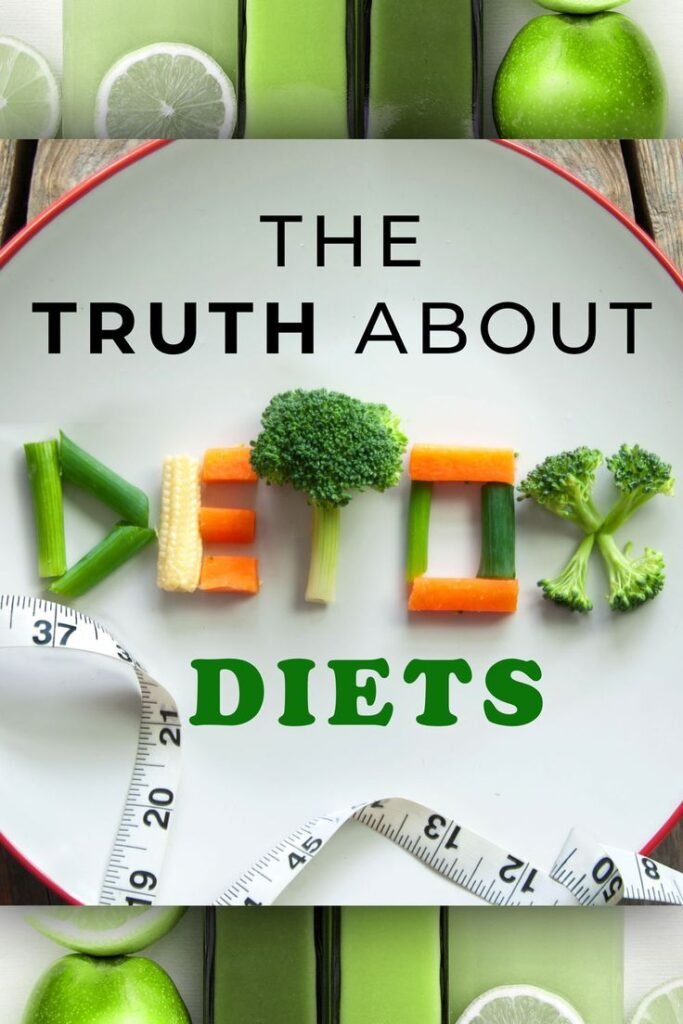
Understanding Detox Diets and Cleanses
Detox diets and cleanses have garnered considerable attention in recent years, primarily as individuals look for ways to promote health and well-being. Essentially, these practices are designed to eliminate toxins from the body, purportedly resulting in improved health, enhanced energy levels, and even weight loss. Detox diets often involve the consumption of specific foods or drinks, while cleanses can include various methods that seek to clean the digestive system and other elimination pathways.
Thank you for reading this post, don't forget to subscribe!One of the most widely recognized forms of detoxification is the juice cleanse, which consists of consuming only fruit and vegetable juices for a predetermined period. Proponents of juice cleanses argue that the high nutrient content from these drinks helps flush out harmful substances, while simultaneously providing the body with essential vitamins and minerals. However, there is an ongoing debate regarding the efficacy and health implications of relying solely on juices for extended periods.
Fasting is another common method that falls under the umbrella of detoxification. This practice typically involves abstaining from food for a set duration, allowing the body to focus on cleansing itself from within. Supporters claim that fasting enables the body to regenerate cells and improve metabolic processes. However, substantial scientific evidence is required to validate these claims, and individuals must approach this method with caution to avoid adverse effects.
Aside from juice cleanses and fasting, herbal detoxes are popular among those seeking a holistic approach to wellness. These detoxifications often incorporate various herbs, teas, and supplements, believed to support the liver and other organs responsible for detoxification. While some may find this method appealing, it is essential to consider possible interactions with medications and carefully evaluate the sources of herbal products.
The overall appeal of detox diets and cleanses lies in the modern desire for quick fixes and rejuvenation, and while many individuals seek these methods, understanding their implications is crucial for making informed health decisions.
The Science Behind Detoxification
Detoxification is a natural process that the human body undertakes continuously to eliminate various toxins and waste products. The primary organs involved in this complex biochemical process include the liver, kidneys, skin, and lungs. Each of these organs plays a crucial role in the body’s ability to filter and remove potentially harmful substances.
The liver is the body’s main detoxifying organ, responsible for metabolizing drugs, alcohol, and other chemicals. It converts these compounds into less harmful substances and aids in their excretion through bile or urine. The kidneys, on the other hand, perform the essential function of filtering blood to produce urine, which removes waste substrates and excess ions, thereby regulating the body’s electrolyte balance.
Furthermore, the skin serves as a barrier to toxins and helps expel waste through perspiration. It also plays a role in maintaining the body’s temperature and hydration levels. The lungs are equally important; they filter out airborne pollutants and help remove carbon dioxide from the bloodstream during the process of respiration.
While popular detox diets and cleanses claim to expedite this natural detoxification process, scientific evidence supporting their efficacy is limited. Many of these programs propose that special juices, herbal supplements, or specific food regimens can enhance the body’s ability to detoxify. However, health professionals often argue that healthy organs are sufficiently equipped to handle detoxification without external intervention. It’s crucial to differentiate between genuine scientific fact and the myths propagated by detox marketing that lacks credible evidence.
Understanding the body’s detoxification processes clarifies the effectiveness of various diets and cleanses. Many misconceptions about detox diets can lead individuals to invest in unproven or unnecessary methods, detracting from the simple yet effective mechanisms the body already employs.
Potential Risks and Drawbacks of Detox Diets
Detox diets and cleanses have gained popularity for their claims to eliminate toxins and promote weight loss. However, the potential risks and drawbacks associated with these regimes warrant careful consideration. One of the primary concerns is nutrient deficiencies. Many detox plans drastically restrict caloric intake and eliminate entire food groups, which can lead to a lack of essential vitamins and minerals. This deficiency may result in negative health effects, such as fatigue, immune dysfunction, and impaired cognitive function.
Another significant risk involves dehydration. Many detox diets promote the consumption of liquids over solid foods, which can lead to inadequate hydration levels. Symptoms of dehydration can range from mild discomfort, such as headaches, to more severe issues like kidney problems. Individuals may also experience gastrointestinal issues, including bloating, constipation, or diarrhea. These symptoms can be particularly distressing and may discourage participants from adhering to the detox regimen.
Ethical concerns emerge as well, particularly regarding the sustainability and environmental impact of specific detox diets. Those that promote expensive supplements or exotic ingredients may impose financial burdens and foster unrealistic expectations about health and wellness. Additionally, the psychological effects of engaging in detox diets should not be overlooked. Some individuals may develop unhealthy relationships with food, leading to disordered eating patterns. This may result in a cycle of guilt and restriction, which can have lasting emotional consequences.
In summary, while detox diets may promise quick results, the potential risks, including nutrient deficiencies, dehydration, gastrointestinal disturbances, and ethical considerations, warrant a thorough examination. It is essential for individuals to weigh these factors against their health goals and consult with healthcare professionals before embarking on any drastic dietary changes.
Alternatives to Detox Diets for Health Improvement
In recent years, detox diets have gained popularity for their claims of health benefits and cleansing properties. However, many experienced health professionals advocate for alternatives that are both healthier and sustainable. A balanced diet rich in whole foods is key to promoting long-term wellness without the drastic measures often associated with detoxification.
One effective alternative is to focus on nutrient-dense foods that provide essential vitamins and minerals. Incorporating a variety of fruits, vegetables, whole grains, lean proteins, and healthy fats can contribute to better health and improved energy levels. For instance, leafy greens such as spinach and kale are packed with nutrients and can be easily added to meals throughout the day.
Hydration is another fundamental aspect of maintaining health. Drinking sufficient water not only aids digestion but also helps the body to eliminate toxins naturally. Individuals should aim to consume at least eight glasses of water daily, adjusting for activity level and individual needs. Additionally, herbal teas and infused waters can offer flavorful hydration options.
Lifestyle changes play a significant role in overall well-being. Regular physical activity, whether through structured exercise or daily movement, can enhance metabolism and improve mood. Incorporating mindfulness practices such as meditation or yoga can also promote mental clarity and reduce stress, ultimately contributing to physical health.
Moreover, establishing a consistent eating schedule and being mindful of portion sizes can help regulate appetite and prevent overeating. Instead of succumbing to the pressures of detox diets, individuals can adopt a holistic approach by listening to their bodies and making incremental changes to their routines. This gradual adaptation to healthier choices is more likely to yield sustainable and positive results.

