
Understanding the Importance of Healthy Living
Healthy living is a fundamental cornerstone for both individuals and society at large. It encompasses a range of lifestyle choices that profoundly impact overall well-being, which includes not only physical health but also mental and emotional states. The link between our daily habits and our health has been well-documented in various studies, demonstrating how poor lifestyle choices can lead to a myriad of health issues, including obesity, diabetes, and cardiovascular diseases. Conversely, embracing a healthy lifestyle can significantly reduce these risks and enhance longevity.
Thank you for reading this post, don't forget to subscribe!On an individual level, engaging in regular physical activity, maintaining a balanced diet, and fostering mental well-being are essential steps toward achieving optimal health. Such practices can lead to increased energy levels, improved mood, and better cognitive function. Furthermore, when individuals prioritize their health, they contribute to a more productive society overall, reducing healthcare costs and increasing the quality of life for everyone.
Globally, we face numerous health challenges, such as rising rates of chronic diseases and mental health disorders. These issues not only strain healthcare systems but also affect economic stability and social cohesion. However, there is hope in the form of small changes that can make a significant difference. Simple modifications to one’s lifestyle, such as incorporating more fruits and vegetables into meals, staying hydrated, and engaging in social activities can collectively lead to substantial improvements in health outcomes.
Thus, understanding the importance of healthy living extends beyond the individual. It is imperative for the well-being of communities and nations as a whole. Encouraging healthy lifestyle habits can initiate a positive ripple effect, inspiring others to adopt similar practices, which can eventually lead to a healthier planet.
Identifying Small Changes for Big Impact
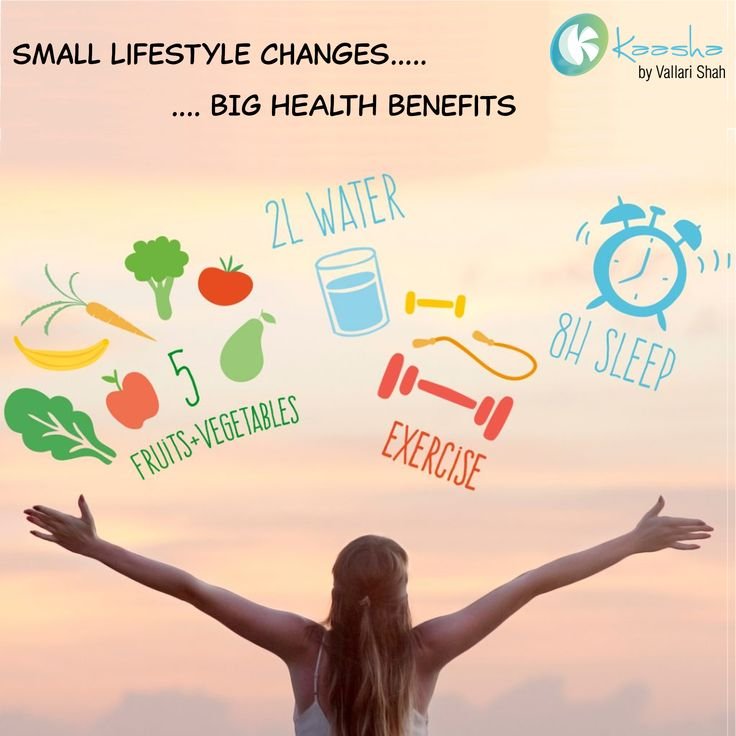
In the pursuit of a healthier lifestyle, the process may seem overwhelming; however, implementing small changes can yield significant benefits. Various studies emphasize that making incremental adjustments rather than drastic alterations can lead to sustainable health improvements. These changes can span multiple domains of well-being, including diet, exercise, sleep, and stress management, all of which collectively contribute to one’s overall health.
Starting with diet, one effective modification is the substitution of processed snacks with whole fruits or nuts. This simple shift not only enhances nutritional intake but can also help in regulating weight. Moreover, ensuring that half of one’s plate is filled with vegetables during meals can considerably increase daily nutrient consumption, leading to better health outcomes.
Regarding physical activity, incorporating short bursts of exercise into daily routines can significantly impact fitness levels. For instance, taking a brisk 10-minute walk during lunch breaks or opting for stairs over elevators can accumulate substantial health benefits over time. Additionally, reducing sedentary behavior—such as limiting screen time—enhances energy levels, thereby promoting a more active lifestyle.
Sleep is another critical aspect of health that can be improved by small changes. Establishing a consistent sleep schedule by going to bed and waking up at the same time each day helps regulate the body’s internal clock. Furthermore, creating a relaxing bedtime routine, which may include activities such as reading or practicing mindfulness, can enhance sleep quality.
Lastly, managing stress through small but effective techniques—like deep breathing exercises or short meditative breaks during the day—can greatly improve mental health. These practices not only help in reducing anxiety but also enhance clarity and focus, making it easier to handle daily challenges.
These minor adjustments to diet, exercise, sleep, and stress management are practical and manageable, allowing individuals to seamlessly incorporate them into their busy lifestyles. The cumulative effect of these small changes can lead to significant health improvements over time, making a compelling case for individuals to embrace them.
Real-Life Examples of Transformation
Transformative health changes often stem from seemingly minor adjustments in daily habits. These adjustments foster sustainable improvements in both physical and mental well-being. For instance, consider the story of Sarah, a 35-year-old mother of two, who struggled with her weight and overall health. After attending a nutrition workshop, she learned to incorporate more whole foods into her family’s diet. By making small switches, such as replacing processed snacks with fruits and vegetables, Sarah observed a remarkable transformation over a year. She not only lost 30 pounds but also reported increased energy levels and better mood stability.
Moreover, in a community initiative led by local health organizations, residents of a small town adopted a challenge to walk for at least 30 minutes each day. This initiative encouraged participants of all ages to become more active and engaged not just in physical fitness but also in social interactions. After three months, a survey revealed that many had lower blood pressure, reduced weight, and even improved mental health. The simplicity of walking—often overlooked as an exercise—illustrated how a small commitment can yield substantial health benefits and foster community spirit.
Another illustrative example is Robert, a retiree who struggled with chronic fatigue and stress. He took the initiative to introduce a mindfulness meditation routine into his daily schedule. Initially, he dedicated just five minutes a day to meditation, gradually increasing the duration as he became accustomed to it. After six months, Robert noted a significant decline in his anxiety levels and an overall enhancement in his quality of life. His story showcases how even short moments dedicated to mental health can lead to profound personal improvements.
These stories provide tangible evidence that adopting small lifestyle changes can significantly impact health. From dietary adjustments to increased physical activity and mindfulness practices, real-life examples abound, inspiring others to embark on their transformative journeys.
Creating a Sustainable Healthy Living Plan
Establishing a sustainable healthy living plan involves setting clear and achievable health goals that align with your personal values and lifestyle. By initiating this journey, it is vital to consider small, manageable changes that can be incorporated into daily routines, making the process less daunting and more enjoyable. It is advisable to begin with a self-assessment; evaluate your current habits, strengths, and areas where modifications can enhance your overall health.
Next, employ the SMART criteria—Specific, Measurable, Achievable, Relevant, and Time-bound—when defining your health goals. For instance, instead of saying “I want to eat healthier,” you might define your goal as “I will incorporate two servings of vegetables into my lunch and dinner every day for the next month.” This specificity helps enhance commitment and clarity.
Tracking progress is critical for maintaining motivation. Utilize tools such as health apps, journals, or support groups that allow you to monitor achievements and adjust your plan as necessary. Regularly reviewing your progress not only provides a tangible sense of accomplishment but can also highlight areas needing refinement. Celebrate small victories to foster a positive mindset.
Additionally, establishing a robust support system can significantly enhance your ability to adhere to a healthy living plan. Engaging with community resources offers motivation and accountability, while friendships and family support can enhance compliance and provide emotional reinforcement. Participating in workshops, fitness classes, or online forums can lead to valuable partnerships that inspire and challenge you to maintain momentum.
Ultimately, the pursuit of a sustainable healthy living plan is a continuous journey. By setting achievable goals, tracking your progress, and leveraging community support, you can create lasting change that promotes a healthier, more fulfilling lifestyle.