
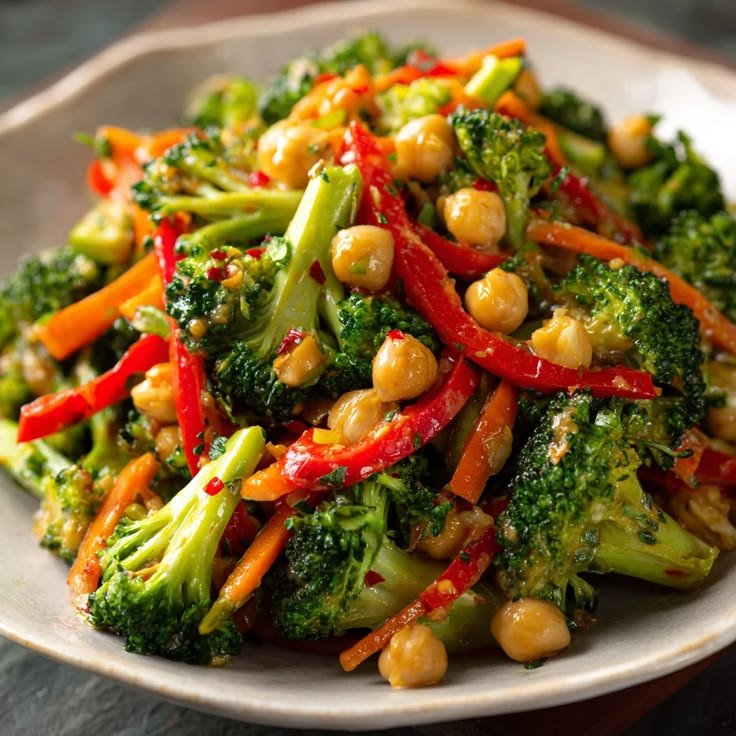
Nutritional Profile of Chickpeas
Chickpeas, also known as garbanzo beans, are an excellent source of nutrients and provide a wide array of health benefits. A one-cup serving of cooked chickpeas contains approximately 269 calories, making them a relatively low-calorie food choice. They are rich in protein, containing around 14.5 grams per serving, which contributes significantly to building and repairing tissues, making them an ideal option for both vegetarians and vegans seeking protein sources.
Thank you for reading this post, don't forget to subscribe!In addition to their protein content, chickpeas are high in dietary fiber, with about 12.5 grams per cup. Dietary fiber is crucial for digestive health and can help maintain a healthy weight by promoting a feeling of fullness. The fiber content supports a balanced gut microbiome and can aid in blood sugar regulation, making chickpeas an excellent component of any balanced diet.
Chickpeas are also packed with important vitamins and minerals. They contain essential nutrients such as folate, iron, magnesium, and phosphorus. Folate is particularly important for cellular function and tissue growth, while iron is vital for the production of red blood cells. Magnesium plays a role in numerous metabolic reactions in the body and supports bone health, while phosphorus contributes to energy production and bone health.
Moreover, the versatility of chickpeas makes them an invaluable addition to many dietary practices. Whether they are consumed in salads, soups, or as hummus, chickpeas provide a plethora of nutrients in various meals. Their health benefits, including reducing the risk of chronic diseases and supporting weight management, affirm their status as a superfood. Incorporating chickpeas into a diet can enhance overall health and well-being, making them a deserving focus in both vegetarian and omnivorous diets.
Health Benefits of Chickpeas
The incorporation of chickpeas into one’s diet offers a myriad of health benefits, making them a valuable addition to a balanced eating plan. High in protein and fiber, chickpeas have been shown to aid in weight management by enhancing satiety, thereby helping individuals feel fuller for longer and reducing overall caloric intake. Research indicates that diets rich in legumes, including chickpeas, can significantly assist in weight loss efforts, as evidenced by a study published in the American Journal of Clinical Nutrition, where participants consuming chickpeas experienced greater weight reduction compared to those who did not.
Moreover, chickpeas play a pivotal role in blood sugar control. They have a low glycemic index, which means they cause a slower rise in blood glucose levels. This property is particularly beneficial for individuals with diabetes or those at risk of developing the condition. A systematic review has shown that regular consumption of chickpeas can lead to improved glycemic control, showcasing their ability to stabilize blood sugar levels and reduce long-term health risks associated with diabetes.
Additionally, chickpeas contribute positively to heart health. They are rich in soluble fiber, which has been linked to lower cholesterol levels and improved cardiovascular health. The presence of essential nutrients such as potassium and magnesium also supports heart function by helping regulate blood pressure. According to a study conducted by the Journal of Nutrition, individuals incorporating legumes like chickpeas into their diets displayed a noteworthy decrease in the risk of heart disease.
Lastly, chickpeas enhance digestive health due to their high fiber content, which promotes regular bowel movements and prevents constipation. Dietary fiber is essential for maintaining a healthy gut microbiome, and research has indicated that a higher intake of dietary fiber is associated with a reduced risk of colorectal cancer. Therefore, including chickpeas in one’s daily meals not only enriches nutritional intake but also fosters overall well-being.
Ways to Incorporate Chickpeas into Your Diet
Chickpeas, also known as garbanzo beans, are a versatile ingredient that can seamlessly integrate into various dishes. To enhance your meals, consider adding chickpeas to salads. A simple chickpea salad can be created by combining canned or cooked chickpeas with diced cucumbers, tomatoes, red onion, and a refreshing lemon vinaigrette. The incorporation of these legumes not only boosts the nutritional value of the dish but also provides a satisfying texture.
Another popular method of enjoying chickpeas is through stews. Chickpeas can be added to vegetable or meat-based stews, offering a hearty and fulfilling component. When using dried chickpeas, it is important to soak them overnight to ensure proper cooking. They can then be boiled or slow-cooked, allowing them to absorb the rich flavors of your stew. For convenience, canned chickpeas are an excellent alternative, requiring no soaking and featuring a tender texture that pairs well with spices and other ingredients.
Furthermore, chickpeas can serve as an excellent snack. Roasting chickpeas with olive oil and your choice of spices—such as paprika, cumin, or garlic powder—creates a crunchy, flavorful treat. This method not only enhances their flavor but also provides a nutritious alternative to conventional snack foods. To prepare roasted chickpeas, simply toss rinsed and drained canned chickpeas with olive oil and spices, then bake in the oven until crispy.
Incorporating chickpeas into your diet can be both practical and enjoyable. Explore the various cooking methods and recipes available to ensure you benefit from their numerous health advantages. With their wide range of uses—from salads to stews and snacks—chickpeas are a remarkable addition to any meal plan. Their ease of preparation and diverse flavor profile allows for creativity in the kitchen, making it easier than ever to enjoy this nutrient-rich legume.
Chickpea Myths and Misconceptions
Chickpeas, also known as garbanzo beans, have gained immense popularity as a versatile protein source, especially among vegetarian and vegan diets. However, there are several myths and misconceptions surrounding their nutritional benefits that warrant clarification. One prevalent belief is that chickpeas do not provide sufficient protein compared to animal-based sources. While it is true that chickpeas contain less protein per serving than meat, they are still an excellent source of plant-based protein and can provide a complete profile of essential amino acids when combined with grains, such as rice or quinoa.
Another common misconception pertains to the impact of chickpeas on digestion. Some individuals claim that chickpeas cause gastrointestinal distress and discomfort. While it is true that legumes can lead to bloating for some, particularly if they are not prepared properly, chickpeas are also rich in fiber, which can aid digestion and promote gut health. For those who experience discomfort, gradually increasing their intake or opting for canned chickpeas, which have been pre-cooked, can help the body adjust more easily.
Allergic reactions to chickpeas are another area of concern. Some people mistakenly believe that because chickpeas belong to the legume family, they are inherently allergenic like peanuts. However, chickpeas are less likely to cause allergic reactions. While any food has the potential to provoke allergies in susceptible individuals, chickpeas are considered a safe option for the majority of the population. If there is any doubt, it is advisable for individuals with known legume allergies to consult with a healthcare professional before introducing chickpeas into their diet.
By dispelling these myths and providing accurate information, consumers can make informed decisions about incorporating chickpeas into their meals, reaping the nutritional benefits without unnecessary concern.

